Nitrate meter
Accurate nitrate monitoring is essential in water treatment, environmental testing, aquaculture, marine systems, and agricultural solution control. When nitrate levels drift outside the expected range, the result can be poor process stability, compliance issues, or unreliable water quality data. A Nitrate meter helps users quantify nitrate concentration more quickly and consistently than visual comparison methods alone, especially where repeatable measurement is required.
On this page, you can explore instruments and related consumables used for nitrate analysis in liquid samples. The category includes portable photometers, pocket meters based on ion-selective measurement, reagent-based test tools, standards, and calibration accessories suited to different working environments and sample types.
Where nitrate meters are commonly used
Nitrate testing appears in many routine and specialist workflows. In environmental and wastewater applications, it supports discharge monitoring, process checks, and field screening. In aquaculture and marine water testing, nitrate is one of the key parameters that influences biological balance and system health.
In agriculture and hydroponics, nitrate measurement is also relevant for nutrient management. Depending on the method, users may measure nitrate directly in water samples, nutrient solutions, or other prepared liquid extracts. For laboratories and service teams that handle multiple chemistries, nitrate is often part of a broader testing workflow that can also involve consumables such as other reagents for related analyses.
Main measurement approaches in this category
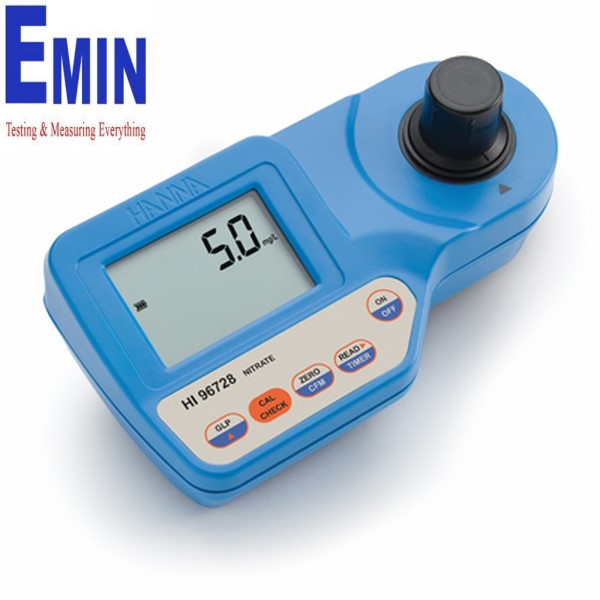
Not every nitrate meter works in the same way. A common approach is photometric or colorimetric measurement, where a reagent reacts with nitrate and the instrument reads the resulting color intensity. This format is widely used for portable field photometers and checker-style devices because it combines practical operation with good repeatability when procedures are followed correctly.
Another approach is the ion-selective electrode method. A pocket instrument such as the HORIBA NO3-11 Nitrate Ion (NO3-) Pocket Meter is an example of a compact meter designed for direct ion measurement, making it useful when fast spot checks and small sample volumes matter. Users comparing technologies should consider sample matrix, expected range, maintenance routine, and whether they prefer reagent-based testing or electrode-based measurement.
Typical product types you may find
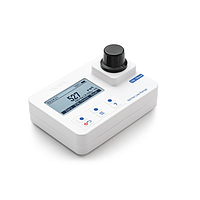
This category is not limited to one instrument format. Portable photometers such as the HANNA HI97728C Nitrate Portable Photometer Kit are suitable for users who want structured testing with cuvettes, standards, and dedicated nitrate methods. These instruments are often selected for field and lab-side work where documented, repeatable results are important.
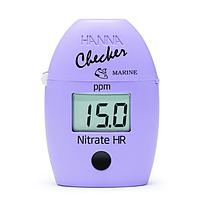
There are also simpler test tool sets such as the HI3874 Nitrate Measuring Tool Set, which can fit routine manual testing needs. For marine applications, products such as the HANNA HI782 Marine High Range Nitrate Checker are intended for seawater-related nitrate checks. In addition, this page may include supporting items such as nitrate reagents, CAL Check™ standards, and standard sachets, which are essential for keeping measurements reliable over time.
How to choose the right nitrate meter
The first question is the measurement range you actually need. Some workflows focus on low mg/L levels in freshwater samples, while others deal with broader or much higher concentrations. Choosing a range that matches normal operating conditions helps avoid unnecessary dilution steps and improves day-to-day usability.
Next, consider sample type and operating environment. Freshwater, seawater, nutrient solution, and processed samples can place different demands on the test method. A marine-focused checker may be more suitable for seawater, while a pocket ion meter may be attractive for quick checks in the field. If your measurement setup also involves sensor-based workflows, related solutions such as ion measurement electrodes can provide useful context when comparing technologies.
It is also worth checking what the supply package includes. Some kits are sold with starter reagents, cuvettes, standards, and carrying accessories, while others require reagents or calibration materials to be purchased separately. For ongoing use, the availability of replacement consumables is just as important as the instrument itself.
The role of reagents, standards, and calibration accessories
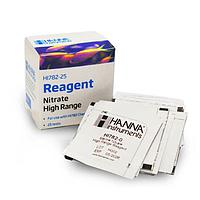
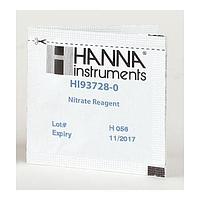
Reliable nitrate data depends on more than the meter alone. In photometric systems, reagents are part of the test chemistry and directly affect result quality. Products such as Hanna HI93766-50 Nitrate Reagents and HANNA HI782-25 Marine Nitrate Checker Reagents are examples of consumables that support routine measurement rather than stand-alone instruments.
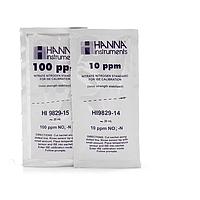
Standards and verification sets are equally important for confidence in readings. The HANNA HI97728-11 Nitrate CAL Check™ Standards and HANNA HI9829-14 Nitrate Standard Sachets help users verify instrument response and maintain better control of measurement consistency. For buyers already standardizing equipment around a preferred supplier, it can also be practical to review the broader HANNA product range for compatible nitrate accessories and test systems.
Manufacturer options for different testing needs
This category includes recognized names used in water analysis and portable measurement. HORIBA is well known for compact ion meters, while HANNA appears strongly in portable photometers, checker instruments, reagents, and calibration accessories. Other listed manufacturers such as HACH, OMEGA, KYORITSU, Probest, Holani, HUMAS, and KASAHARA may be relevant depending on application, preferred method, and procurement standards.
Brand selection in B2B purchasing often depends on more than specifications alone. Service familiarity, replacement consumables, training requirements, and consistency with existing equipment all influence the final decision. For that reason, the best choice is usually the one that fits the actual workflow, sample matrix, and maintenance capacity of the site.
Practical buying considerations for B2B users
For industrial, laboratory, and project-based purchasing, it helps to think in terms of the full measurement workflow rather than a single SKU. A nitrate meter may require cuvettes, reagents, standards, cleaning accessories, or replacement sensors to remain useful in routine operation. Factoring in these items early can reduce downtime and simplify replenishment planning.
It is also useful to align the instrument with the skill level of the end user. A compact checker may be suitable for straightforward routine checks, while a photometer kit may offer more structure for controlled testing procedures. Pocket ion meters can be attractive where speed and portability matter, but they also require users to understand calibration and electrode handling.
Finding a nitrate measurement setup that fits your process
The right solution depends on how and where the measurement will be performed, what range is expected, and whether the workflow is better suited to photometric testing or ion-selective measurement. This category brings together nitrate meters as well as the reagents and standards needed to support practical, repeatable testing in water and liquid analysis.
If you are comparing options for field use, routine process checks, marine monitoring, or nutrient-related testing, start by narrowing down the sample type, required range, and support accessories. That approach usually leads to a more efficient selection than focusing on the instrument body alone.
Get exclusive volume discounts, bulk pricing updates, and new product alerts delivered directly to your inbox.
By subscribing, you agree to our Terms of Service and Privacy Policy.
Direct access to our certified experts