
Other Reagents
Reliable water and liquid analysis depends on more than the main instrument alone. In many testing workflows, the accuracy of a measurement is strongly influenced by the supporting chemicals used for electrode care, sample preparation, conditioning, and specific analytical reactions. This is where Other Reagents become important, especially for laboratories, treatment plants, environmental monitoring teams, and industrial quality control users who need stable and repeatable results.
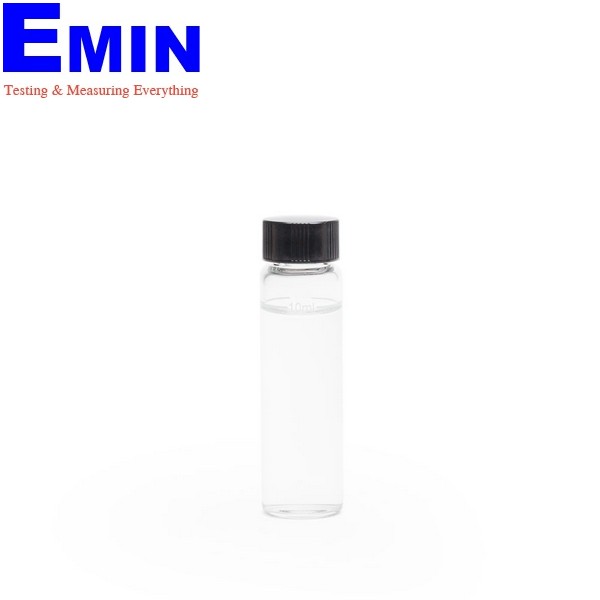
This category brings together reagent products that do not always fit into a single narrow group, yet remain essential in daily testing practice. Depending on the application, that may include electrode storage solutions, electrolyte refill solutions, sample preparation liquids, ISE standards, or reagent sets used in nutrient and ion analysis.
Where these reagents fit in liquid testing workflows
In practical operation, many measurements fail not because of the meter, but because the sensor is not properly maintained, the sample is not prepared correctly, or the chemistry used in the method is incomplete. Supporting reagents help protect electrodes, maintain membrane performance, stabilize reference systems, and prepare difficult samples before measurement.
For teams working with pH, ion-selective electrodes, or colorimetric methods, these items are often consumed alongside sensors and accessories. If your process also involves sensor replacement or specialized probes, it can be useful to review related tools such as ion measurement electrodes to make sure the reagent and sensor are matched to the same analytical method.
Typical product types in this category
This range includes several kinds of supporting chemicals used across water and liquid testing. A common example is storage solution for pH or ion-selective electrodes, which helps keep sensing surfaces hydrated and ready for use. Products such as HANNA HI70300L Electrode Storage Solution, HANNA HI-9072 Electrode Storage Solution, and Senseca KCL3M Storage solution and electrolyte refill illustrate this type of maintenance chemistry.
Another group includes electrolyte and conditioning products for electrode systems. HANNA HI7082 3.5M KCl electrolyte fill solution for double-junction electrodes is used in refillable electrode maintenance, while HANNA HI4016-45 Sodium Storage Solution and HANNA HI4001-45 Ammonia ISE Conditioning and Storage Solution are examples of more application-specific solutions for ion-selective measurement setups.
The category may also cover reagent packs or kits used in analytical procedures. Examples include HANNA HI93767A-50 Total Nitrogen Low Range Reagents for multi-step nitrogen analysis, HANNA HI707-25 reagent sachets for test-based measurement, and the HANNA HI38074 Boron test kit for targeted testing tasks.
Why electrode care reagents matter
Electrodes are sensitive components, and their condition directly affects response time, slope, stability, and measurement repeatability. Improper storage can shorten service life or cause drift, especially after frequent use in water treatment, wastewater, environmental sampling, or laboratory testing. Using the right storage or refill solution helps maintain junction performance and reduces unnecessary troubleshooting.
For example, general electrode storage liquids are often used to keep pH electrodes in suitable condition between measurements, while KCl-based refill solutions support the reference electrolyte system in refillable designs. In more specialized ion analysis, conditioning and storage solutions tailored to a specific ISE can help maintain the intended operating state before calibration and testing.
Sample preparation and analytical chemistry support
Not every liquid sample is ready for direct measurement. Some applications require extraction, dilution, digestion, or chemical development before a meter or photometer can produce a meaningful value. Reagents used for sample preparation are therefore a core part of many test methods, even if they are less visible than the instrument itself.
HANNA HI7051L Soil Sample Preparation Solution is a good example of a reagent used before the actual measurement step, helping transfer analytes into a measurable liquid phase. In nutrient testing, products such as total nitrogen reagent sets support the chemistry needed to convert the sample into a form suitable for low-range analysis. When users compare alternative quick-check formats for field work, test paper can also be a useful reference category for simpler screening tasks.
How to choose the right reagent
The first selection rule is simple: match the reagent to the exact method, sensor type, and intended application. Electrode storage solution, electrolyte fill solution, ISE conditioning liquid, and analytical reagent packs are not interchangeable. Even when bottle sizes appear similar, the chemical purpose may be completely different.
It is also important to consider packaging format and usage pattern. Some users prefer larger bottles such as 500 mL solutions for routine bench work, while others need small dropper bottles for mobile use or occasional maintenance. Test-count packaging may be more relevant for colorimetric methods, where the number of available analyses affects operating cost and replenishment planning.
Manufacturer compatibility should be checked carefully as well. This page includes products from brands such as HANNA and Senseca, while the wider measurement ecosystem may involve suppliers such as HACH, HORIBA, LGC, and Palintest depending on the analytical platform in use. In many cases, the safest approach is to choose the reagent specified for the instrument or electrode family already deployed in your lab or plant.
Use cases across environmental and industrial settings
These reagents are relevant in a wide range of B2B environments. Water treatment facilities use them to maintain pH and ion sensors, laboratories use them for controlled analytical workflows, and environmental teams rely on them when preparing samples or maintaining portable measurement equipment between site visits.
Industrial quality control users may also need maintenance chemistry for electrodes used in process liquids, wastewater streams, or utility water monitoring. In these settings, a small consumable such as an electrolyte refill or storage solution can have a disproportionate effect on instrument uptime and data consistency. Choosing the correct reagent helps support both measurement quality and asset life.
Building a more dependable testing setup
Reagents in this category are often purchased as supporting items, but they should be treated as part of the full analytical system rather than as incidental consumables. A meter, probe, and reagent set work together; if one element is mismatched, the final reading may be less reliable than expected. This is especially true in routine compliance testing, process control, and laboratory verification work.
For procurement teams and technical users, it helps to review reagent needs alongside sensors, maintenance accessories, and the planned test method. Looking at the complete workflow up front can reduce repeat orders, compatibility mistakes, and preventable downtime.
Conclusion
Choosing suitable reagents is a practical step toward more stable measurement performance in water and liquid testing. Whether the need is electrode storage, electrolyte refill, sample preparation, or method-specific chemistry, the right product supports accuracy, repeatability, and smoother day-to-day operation. If you are selecting items for an existing measurement setup, focus on compatibility with your sensor type, analytical procedure, and expected usage frequency to narrow the range effectively.
Get exclusive volume discounts, bulk pricing updates, and new product alerts delivered directly to your inbox.
By subscribing, you agree to our Terms of Service and Privacy Policy.
Direct access to our certified experts
