
PH meter
Accurate pH measurement is a basic requirement in water treatment, laboratory testing, aquaculture, food processing, and many industrial control tasks. A reliable pH meter helps users verify acidity or alkalinity quickly, improve process consistency, and reduce the risk of incorrect chemical dosing or unstable product quality.
On this category page, you can explore pH meters for different working environments, from compact handheld tools to laboratory instruments and complete measurement kits. The selection also includes supporting items such as electrodes and buffer solutions, which are essential for keeping readings stable over time.
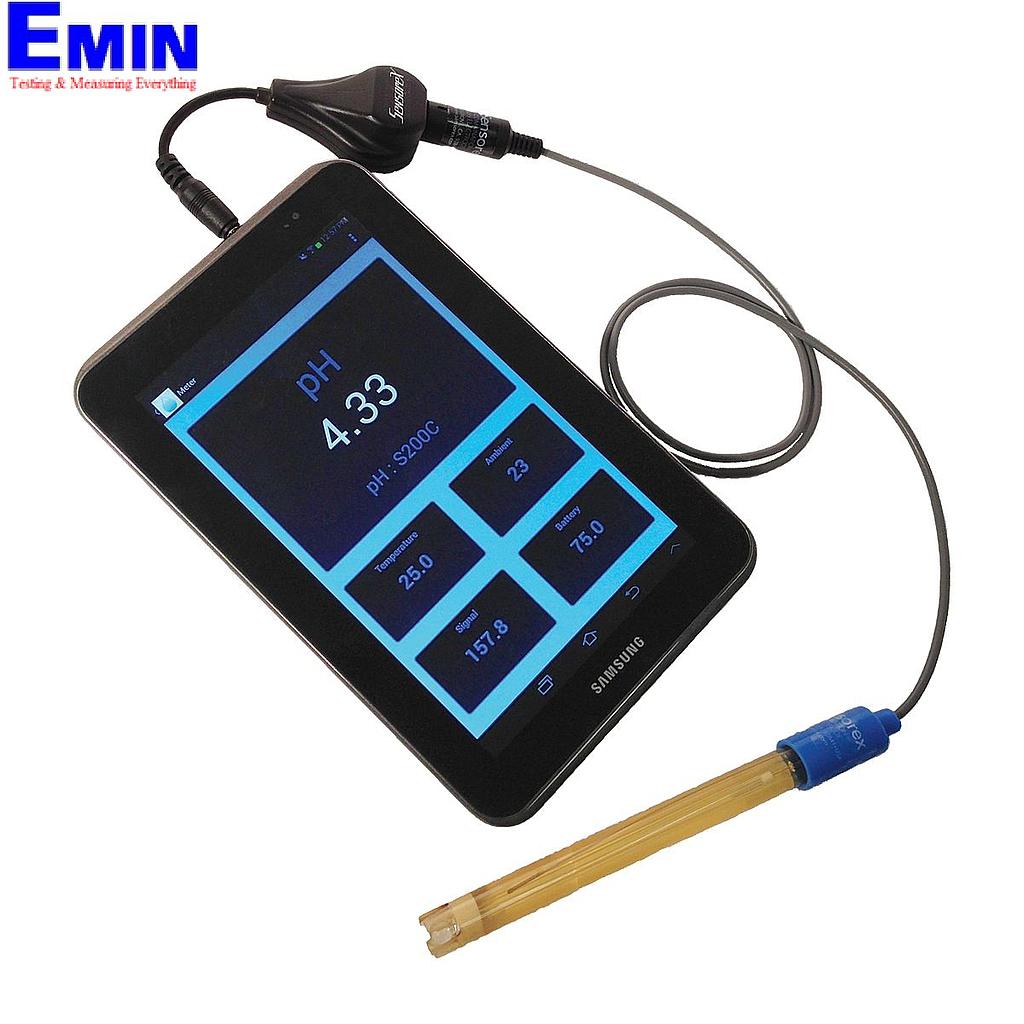
Where pH meters are used in practice
pH is one of the most frequently checked parameters in liquid analysis because it directly affects chemical reactions, biological activity, corrosion behavior, and treatment efficiency. In day-to-day operation, pH meters are used to monitor drinking water, wastewater, hydroponic solutions, aquaculture systems, swimming pools, and production liquids.
In laboratory and quality control environments, users often need more than a simple spot check. They may require better resolution, temperature compensation, calibration support, data storage, or the ability to work with dedicated sensors. That is why the category includes both portable and benchtop options, as well as accessories that support proper calibration and electrode maintenance.
Common pH meter formats in this category
A practical way to choose is to start with the measurement environment. Pocket and handheld pH meters are suitable for field checks, on-site inspections, and quick routine measurements. For example, the HORIBA PH-11 pH Pocket Meter is aligned with users who want a compact format for convenient daily testing.
For broader testing requirements, portable multiparameter instruments can be more efficient than carrying separate devices. Models such as the HORIBA PD210-K LAQUA pH/ORP/DO/Temp meter and the HORIBA PC220-K LAQUA pH/ORP/EC/TDS/Sal/Res/Temp meter are designed for applications where pH must be interpreted together with other liquid quality indicators.
When high repeatability, guided calibration, and bench use are more important than portability, laboratory instruments are the better fit. The Chauvin Arnoux CA 10101E Laboratory pH Meter and the Mettler Toledo SevenDirect SD50 Kit pH/Ion Meter illustrate this segment well, especially for controlled measurement workflows and documentation-focused environments.
Why electrodes and buffers matter as much as the meter
A pH measurement system is not only the meter body. The electrode has a direct impact on response time, stability, and suitability for the sample being tested. General liquid measurement, semi-solid samples, food products, and ion-related analysis may require different sensor designs, reference systems, or body materials.
This is why the category includes supporting components such as the Chauvin Arnoux BR41 Reference Electrode Glass Ag/AgCl and the Chauvin Arnoux P01715020 Combination pH electrode LRV7 Food - DIN waterproof, which are relevant when the application demands a specific electrode arrangement. For ion-selective or expanded electrochemical work, users may also want to review related sensor options in the ion measurement electrode range.
Calibration materials are equally important. Products such as HORIBA 500-10 pH 10.01 Buffer Solution and HORIBA 500-2 pH 1.68 Buffer Solution support routine calibration and verification. Without correct buffer use, even a capable instrument can produce drifting or misleading results.
Key factors when selecting a pH meter
The first factor is the sample type and working condition. Clean water, process liquids, wastewater, food samples, and chemically aggressive media can place very different demands on the sensor and instrument design. A simple field tester may be enough for occasional checks, but regular production or laboratory work often benefits from a more robust meter with clearer calibration workflow and better status diagnostics.
The second factor is the required measurement ecosystem. Some users need pH only, while others need pH together with ORP, conductivity, TDS, salinity, dissolved oxygen, or temperature. In these cases, a multiparameter meter can simplify field work and reduce handling time. If your process also relies on supplementary chemicals and standards, it may be useful to browse other liquid testing reagents for broader maintenance and testing support.
The third factor is calibration and data handling. Features such as multiple calibration points, temperature compensation, memory, and communication options become more valuable when measurements must be repeatable, documented, or shared across teams.
Representative brands and product examples
This category includes products from recognized manufacturers used in industrial and laboratory measurement. HORIBA stands out here with portable pH instruments, multiparameter handheld meters, and calibration buffers that fit both routine and advanced water testing tasks.
For laboratory and specialized electrochemical work, Mettler Toledo contributes benchtop pH and ion solutions such as the SevenDirect SD50 Kit, while Chauvin Arnoux is represented with laboratory meters, testers, and electrodes suited to field and application-specific measurement. The broader manufacturer landscape in this category also includes names such as HACH, Jumo, Merck, Metrohm, OMEGA, TESTO, and Thermofisher depending on stock and application needs.
Rather than choosing by brand alone, it is usually more effective to match the instrument format, electrode type, calibration method, and maintenance needs to the actual sample and operating workflow.
Good measurement practice for stable results
Even a well-specified instrument can produce poor results if the measurement routine is weak. Before testing, users should confirm that the meter is calibrated with suitable buffers, the electrode is clean, and the sensor is appropriate for the sample. Temperature effects should also be considered, especially when comparing results across different environments.
After measurement, proper rinsing and storage help preserve sensor life. Electrodes should not be treated like disposable accessories; they are wear components that need regular attention. In lower-cost or quick-screening scenarios, some users may compare readings with test paper as a simple reference method, but digital pH meters remain the better choice when repeatability and traceability are important.
Finding the right solution for your application
This pH meter category is intended for users who need more than a generic acidity check. Whether the task is portable water testing, laboratory analysis, process verification, or support for a wider multiparameter workflow, the right combination of meter, electrode, and buffer solution will make a noticeable difference in measurement reliability.
If you are comparing models, start from the sample type, frequency of use, and calibration routine rather than the device appearance alone. A compact pocket meter may be ideal for fast field use, while a laboratory meter or dedicated electrode setup is often the better long-term choice for controlled testing and demanding applications.
Get exclusive volume discounts, bulk pricing updates, and new product alerts delivered directly to your inbox.
By subscribing, you agree to our Terms of Service and Privacy Policy.
Direct access to our certified experts