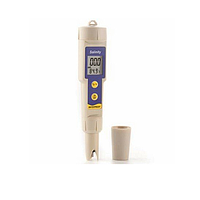
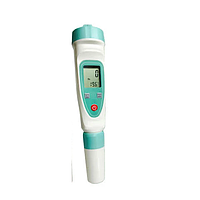
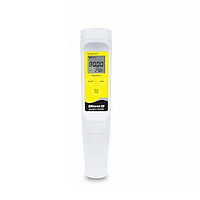
Salt meter
Reliable salinity measurement matters whenever dissolved salt content affects process quality, product consistency, or water condition. In aquaculture, food preparation, seawater checking, and general liquid testing, the right salt meter helps users verify concentration quickly and choose the correct response before salinity drifts out of range.
This category brings together portable instruments and supporting solutions used to measure salt concentration in liquids. Depending on the application, that may include digital salinity pens, conductivity-based meters, handheld refractometers, and calibration or standard solutions that support more dependable readings in routine field or lab work.
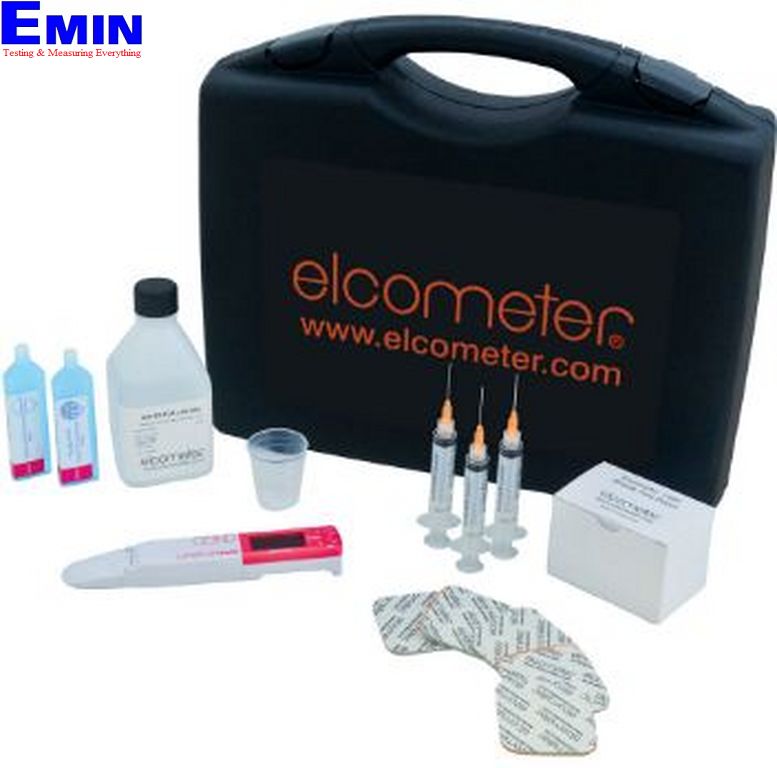
Where salt meters are commonly used
Salinity is a practical parameter in many industries rather than a niche laboratory value. Users often measure it in seawater, brackish water, rinse water, process solutions, seafood handling, food formulation, and other liquid samples where sodium chloride concentration influences performance, taste, corrosion risk, or biological conditions.
Some instruments in this category are suitable for water-focused applications, while others are better aligned with food and process liquids. For example, refractometer-style devices from ATAGO are often selected when users want quick concentration checks on small samples, while portable digital meters are useful when direct numerical display and repeatable routine testing are priorities.
Different measurement methods in this category
Not every salt meter works the same way. A common distinction is between conductivity-based salinity meters and salinity refractometers. Conductivity-based models estimate salinity from the electrical behavior of the sample, often with temperature compensation and digital readout. Refractometers estimate concentration from optical refraction, which can be a practical approach for food, brine, and process checks.
The HORIBA SALT-11 Salinity meter is an example of a compact digital instrument designed for liquid salinity measurement with dedicated calibration support. On the refractometer side, products such as the ATAGO PAL-03S Digital Salinity Refractometer and ATAGO MASTER-S28α Handheld Salinity Refractometer illustrate another workflow: apply a small sample, take a quick reading, and move on to the next test point.
Choosing between the two methods usually depends on sample type, required resolution, operator preference, and whether the work is done in the field, on a production line, or in a controlled testing area.
How to choose a suitable salt meter
A practical starting point is the measurement range. Some applications only need low-range checks, while others must handle seawater-level salinity or more concentrated brines. A model such as the HANNA HI98319 Salt/Temperature Pen is designed for portable salinity and temperature checks, making it relevant for users who need fast spot measurements across routine testing points.
Sample volume can also be important. Certain compact devices are optimized for very small drops of liquid, which is useful when sample availability is limited or when frequent tests are required. In other cases, buyers may prioritize temperature display, waterproof construction, ease of calibration, or the simplicity of a pen-style housing for daily carrying.
If you need accessories for ion-based workflows or related liquid analysis tasks, it can also be helpful to explore ion measurement electrodes that support broader water testing requirements.
The role of calibration and standard solutions
Good salinity measurement depends not only on the meter itself but also on proper verification and maintenance. Calibration standards and reference solutions help confirm that readings remain consistent over time, especially in applications where routine measurements influence process decisions.
Within this category, supporting items such as the HANNA HI70024P Marine Salinity Calibration Standard, HANNA HI7081L Sodium Chloride Standard Solution, and HANNA HI7083L Standard NaCl Solution are relevant examples. These products are not the main measuring instruments, but they play an essential role in maintaining confidence in the reported values.
Some specialized workflows may also involve ionic strength adjustment, such as the HANNA HI4016-00 Ionic Strength Adjuster for Sodium ISEs. When your testing setup uses related chemical support products, you may also want to review other reagents for compatible laboratory and liquid testing tasks.
Examples of instruments in this category
This category includes both compact digital tools and conventional handheld refractometers. For routine portable measurement, the HORIBA SALT-11 and EXTECH EC170 Salinity/Temperature Meter represent digital options that combine salinity checking with temperature display, which is useful because temperature can affect interpretation and compensation during measurement.
For users working with food, brine, or process concentration checks, ATAGO offers several handheld formats with different ranges. The ATAGO Master-S10M Salinity Refractometer is aimed at lower concentration ranges, while the ATAGO MASTER-S28M and MASTER-S28α cover broader sodium chloride concentration ranges. The ATAGO PAL-SALT Digital Salinity Refractometer and PAL-03S further illustrate the convenience of fast digital refractometer-style measurement using very small sample volumes.
For buyers who prefer to compare brands across portable water analysis tools, the dedicated pages for HORIBA and HANNA can provide additional context on related product lines.
What to consider before ordering for B2B use
For industrial, laboratory, or service teams, device selection is usually tied to workflow rather than only headline specifications. It is worth checking whether the instrument will be used for spot testing, incoming inspection, field surveys, line-side control, or periodic verification. That decision affects the ideal balance between portability, ruggedness, calibration frequency, and operator training.
It is also important to match the meter to the sample matrix. A salt meter intended for clean liquid samples may not be the best fit for viscous food products or highly contaminated process media. In those cases, measurement principle, cleaning effort, and accessory availability become just as important as the displayed range or resolution.
Where quick screening is enough, simple portable units can be efficient. Where documented repeatability matters more, users often add standard solutions and a clearer calibration routine to the purchasing decision.
Short FAQ
Can one salt meter be used for every type of sample?
Not always. Different meters are optimized for different liquid types and concentration ranges, so the sample matrix and measurement method should be checked before selection.
Why are calibration solutions important?
They help verify that the instrument is reading correctly. This is especially useful for routine quality control, repeated field work, or any process where salinity values influence decisions.
Are refractometers and digital salinity pens interchangeable?
They can overlap in some applications, but they do not measure in the same way. The best choice depends on sample type, required convenience, and how the results will be used in practice.
Find the right solution for routine salinity control
Whether the priority is portable field measurement, fast food-process checking, or dependable support from calibration standards, this salt meter category covers several practical approaches to liquid salinity testing. Reviewing the intended sample type, range, and maintenance needs will usually narrow the choice quickly.
A well-matched instrument is easier to use, easier to maintain, and more helpful in everyday work. If your application involves broader liquid analysis beyond salinity alone, this category can also serve as a useful starting point for building a more complete water and solution testing workflow.
Get exclusive volume discounts, bulk pricing updates, and new product alerts delivered directly to your inbox.
By subscribing, you agree to our Terms of Service and Privacy Policy.
Direct access to our certified experts