In radiation research and radiation safety management, it is important to distinguish between external exposure, internal exposure, and radioactive contamination. A radiation detector is one of the instruments that can support radiation monitoring and safety control.
What Is Radiation Exposure ?
Radiation exposure occurs when a person or object is exposed to radiation. The radiation source may be located outside or inside the body, resulting in two basic situations: external exposure and internal exposure.
It is important to note that being exposed to radiation does not automatically make a person radioactive. To properly assess a situation, it is necessary to determine where the radiation source is located and whether radioactive material is present on the surface or has entered the body.
External Exposure: Radiation Source Outside the Body
External exposure occurs when a person is exposed to a radiation source located outside the body. Examples include a chest X-ray examination, standing near an operating inspection system, or working in an area where radiation exposure is possible.
In these situations, exposure ends when the person leaves the radiation field, moves sufficiently far away from the source, or is adequately shielded. A person who has experienced external exposure does not therefore become a source of radiation.
External exposure is primarily associated with gamma radiation, X-rays, and neutrons. The potential impact depends on factors such as radiation energy, exposure time, distance from the source, and the protective measures in place.
Monitoring and Reducing External Exposure
A personal dosimeter can be used to measure and monitor occupational exposure to external photon radiation and cumulative dose. External exposure can be reduced by limiting the time spent in a radiation field, increasing the distance from the source, using appropriate shielding materials, or using a source with lower activity when possible.
In addition to personal dosimeters, a radiation meter can be used to check and monitor radiation levels in workplaces or around radiation sources. Depending on the instrument and detector, a radiation meter may detect gamma, beta, alpha, or X-ray radiation. The instrument should be selected based on the radiation type, measurement range, and intended measurement purpose.
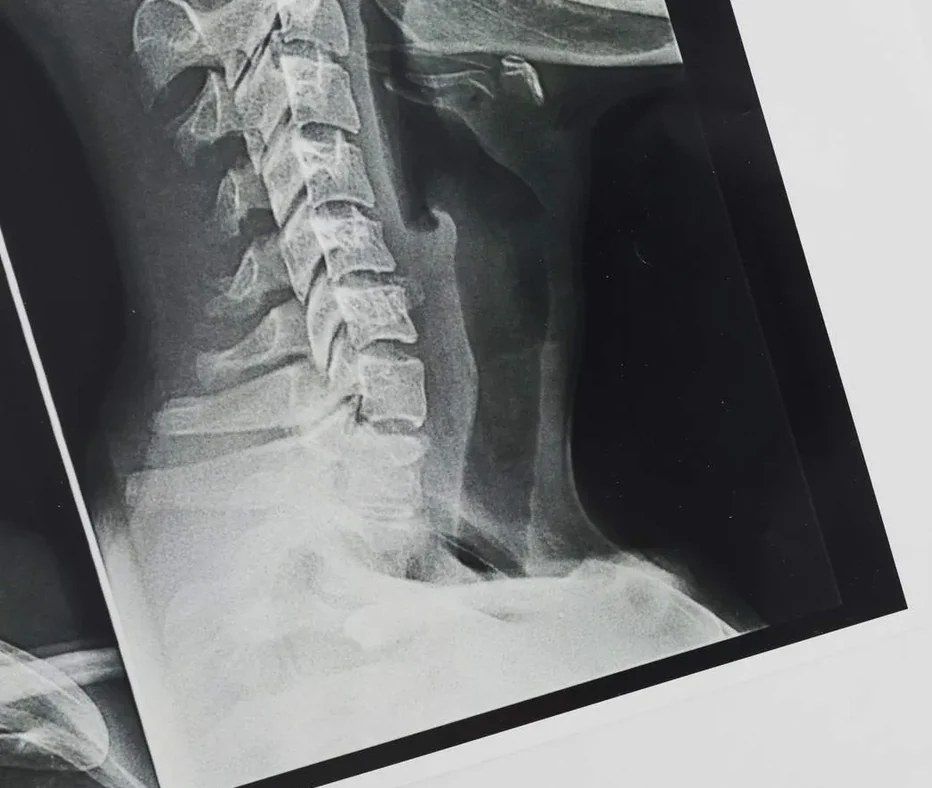
What's the External Exposure?
Radioactive contamination refers to the presence of radioactive material on the surface of or inside an object or person, including skin, equipment, soil, air, or food. Radioactive material may exist as a gas, liquid, or solid and can spread through the environment and deposit on surfaces, living organisms, or soil.
Unlike external exposure alone, a contaminated person or object may continue to be a source of ionizing radiation until the contamination is removed through decontamination, radioactive materials decay, or the material is otherwise eliminated.
Contamination may result from the leakage of radioactive liquids. Radionuclides present in contaminated soil can also be taken up by plants and subsequently enter the body through contaminated food or water.
Routes by Which Radionuclides Can Enter the Body
Inhalation: breathing aerosols or dust containing radioactive material.
Ingestion: consuming contaminated food or drinking contaminated water.
Absorption: radioactive material entering through intact skin.
Injection through a wound: radioactive material entering the body through a puncture or penetrating injury.
When radioactive contamination is suspected, the measuring instrument should be selected according to the purpose of the inspection and the type of radiation to be detected. Some specialized radiation meters can be used to survey radiation on surfaces or in controlled areas. However, not every radiation meter is suitable for detecting or assessing alpha, beta, or gamma contamination.
Internal Exposure: When Radioactive Material Is Inside the Body
Internal exposure occurs when radioactive material enters the body and causes exposure from within. The radioactive material continues to produce radiation for as long as it remains in the body, until it decays or is naturally eliminated.
The time radioactive material remains in the body is determined by the combined effects of its physical half-life and biological half-life. The biological half-life is the time required for the body to eliminate 50% of a substance through normal metabolic and excretion processes.
The combination of physical and biological half-lives is known as the effective half-life. Because both radioactive decay and biological elimination reduce the amount of radionuclide in the body, the effective half-life is always shorter than either the physical or biological half-life individually.
A handheld radiation meter can be used to support radiation monitoring and safety control in certain situations. Instrument selection should be based on the radiation type, measurement quantity, sensitivity, and specific application requirements.