
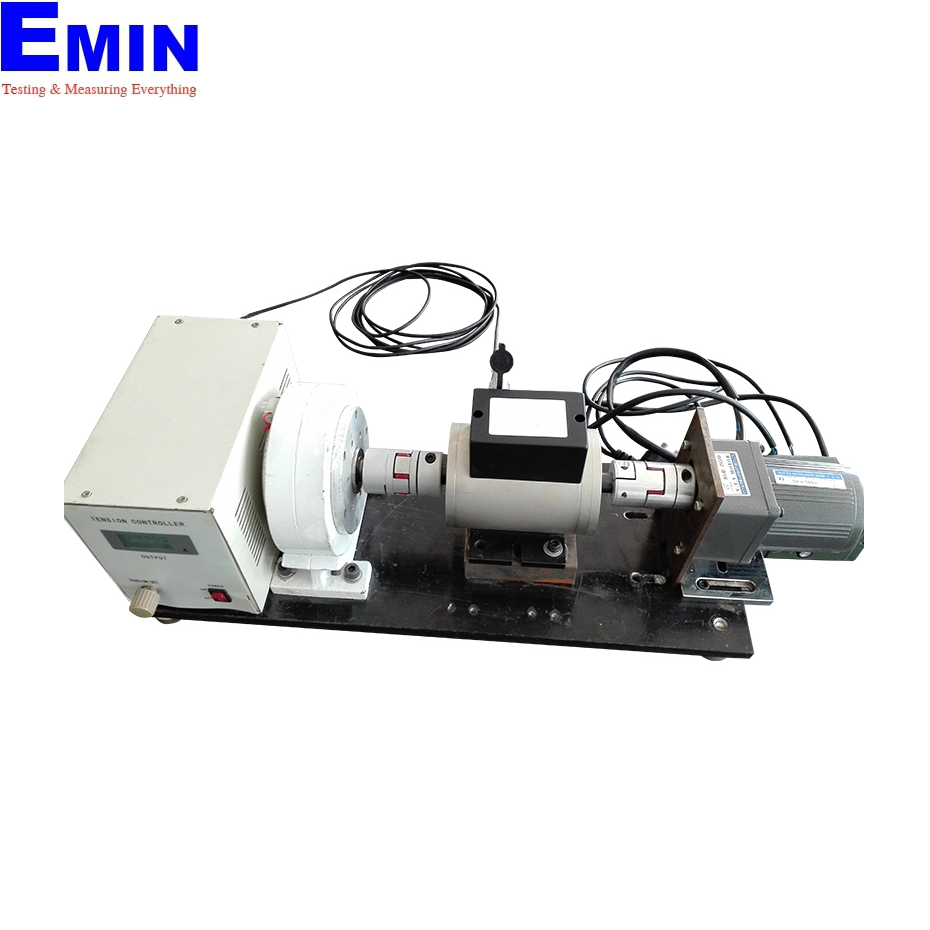
Dynamic torque tester for motor
When motor performance needs to be verified under real operating conditions, static measurements are often not enough. Engineers and maintenance teams typically need a clearer view of how torque changes during acceleration, steady-state rotation, load variation, and dynamic testing. That is where dynamic torque tester for motor solutions become relevant within force and strain measurement workflows.
This category is intended for applications where rotational torque measurement supports product development, quality control, troubleshooting, and performance validation. Whether the task involves checking motor output consistency, comparing test samples, or building a broader measurement setup, choosing the right instrumentation helps improve repeatability and confidence in the data.
Why dynamic torque testing matters in motor applications
Motor behavior changes continuously during operation, especially when speed, load, or start-stop cycles are involved. A dynamic torque tester helps capture these changes instead of relying only on nominal values or simplified assumptions. This is useful in R&D environments, production inspection, repair analysis, and performance benchmarking.
In practical terms, dynamic measurement can help identify issues such as unstable output, unexpected torque peaks, mechanical drag, or variations between units. For electric motors, geared motors, and rotating assemblies, understanding torque response over time often provides more actionable insight than a single-point measurement.
Typical use cases across testing and industrial environments
Motor torque testing is relevant in many technical settings, from component evaluation to final product verification. Teams may use this type of equipment to assess startup characteristics, compare design revisions, inspect assembly quality, or validate a motor under simulated working loads. In service and maintenance contexts, it can also support fault diagnosis when output behavior appears inconsistent.
Because torque data is often only one part of a larger measurement chain, users may also work with related signal-conditioning and display devices. In broader setups, products such as load cell transmitters or weighing indicators can be relevant when force-based inputs and processed signals need to be monitored together in the same system.
What to consider when selecting a dynamic torque tester
The first point is the expected torque range and how the measurement will be used. A suitable tester should match the working range of the motor closely enough to provide useful resolution without sacrificing headroom. Accuracy, repeatability, and response to changing loads are also important, especially when comparing small performance differences between samples.
Users should also evaluate mechanical compatibility, rotational speed conditions, data handling requirements, and how the tester fits into the surrounding test bench. In many projects, the right choice is not only about the sensor itself but about the full measurement setup, including readout, signal conversion, and logging. If strain-based sensing is part of the test method, related categories such as strain gauges may also help expand the overall solution.
How dynamic torque measurement fits into a broader force and strain workflow
Torque testing rarely exists in isolation. In engineering labs and production environments, it is often connected to other measurement tasks such as force checking, strain monitoring, and system calibration. That makes category-level compatibility important, particularly for users building integrated benches for motors, drives, couplings, and rotating components.
Depending on the application, the workflow may involve sensors, indicators, transmitters, and peripheral devices that support data acquisition or process integration. If the testing environment includes accessories, communication modules, or supporting instruments, browsing related peripheral devices can be useful when expanding a test station or refining an existing setup.
Brand and product context for this category
This category includes relevant measurement products from Kudale, a manufacturer associated with force and measurement instruments in this catalog. While the exact solution for a motor torque application depends on test conditions and integration needs, brand context can still be helpful for teams looking for consistency across sourcing, service, and instrument selection.
As a general example from the wider measurement portfolio, the Kudale MFG 102 Mikrotech Force Gauge demonstrates the type of instrumentation used in precise force evaluation. Although a force gauge serves a different role from a dynamic motor torque tester, it illustrates the importance of dependable reading resolution and practical test-oriented design in industrial measurement environments.
Selection priorities for engineers, OEMs, and maintenance teams
For design engineers, the priority is often detailed performance analysis across changing operating conditions. For OEMs and production teams, repeatability and throughput may matter more, especially when testing multiple units against the same criteria. Maintenance teams, on the other hand, may focus on detecting deviation from expected motor behavior quickly and clearly.
Across all of these use cases, it helps to define the real objective before choosing equipment: development validation, incoming inspection, end-of-line testing, fault diagnosis, or comparative analysis. That objective influences not only the torque range but also the required sensitivity, data presentation, and integration depth. A well-matched dynamic testing setup usually delivers more useful results than a system selected only by maximum capacity.
Building a more reliable motor testing process
A reliable test process depends on more than one instrument. Fixture stability, alignment, loading method, signal quality, and operator consistency all affect the final measurement. For that reason, users evaluating dynamic torque testers should think in terms of the full application rather than the device alone.
If your work involves motors, rotating assemblies, or performance verification under changing conditions, this category provides a focused starting point for finding suitable instrumentation. By aligning torque range, measurement quality, and system compatibility with the real test requirement, it becomes easier to build a setup that supports accurate decision-making over time.
Get exclusive volume discounts, bulk pricing updates, and new product alerts delivered directly to your inbox.
By subscribing, you agree to our Terms of Service and Privacy Policy.
Direct access to our certified experts