Universal Tensile Testing Machine
When material strength, elongation, compression resistance, or pull performance must be verified with confidence, the test system itself becomes a critical part of quality control. A Universal Tensile Testing Machine is used across laboratories, production environments, packaging validation, and product development to apply controlled force and measure how a specimen responds under real test conditions.
On this category page, you can explore instruments suited to tensile, compression, and broader force testing tasks, from compact bench systems for routine lab work to higher-capacity platforms for packaging and industrial components. The range is relevant for users who need repeatable force measurement, controlled crosshead movement, and the flexibility to work with different sample types and standards.
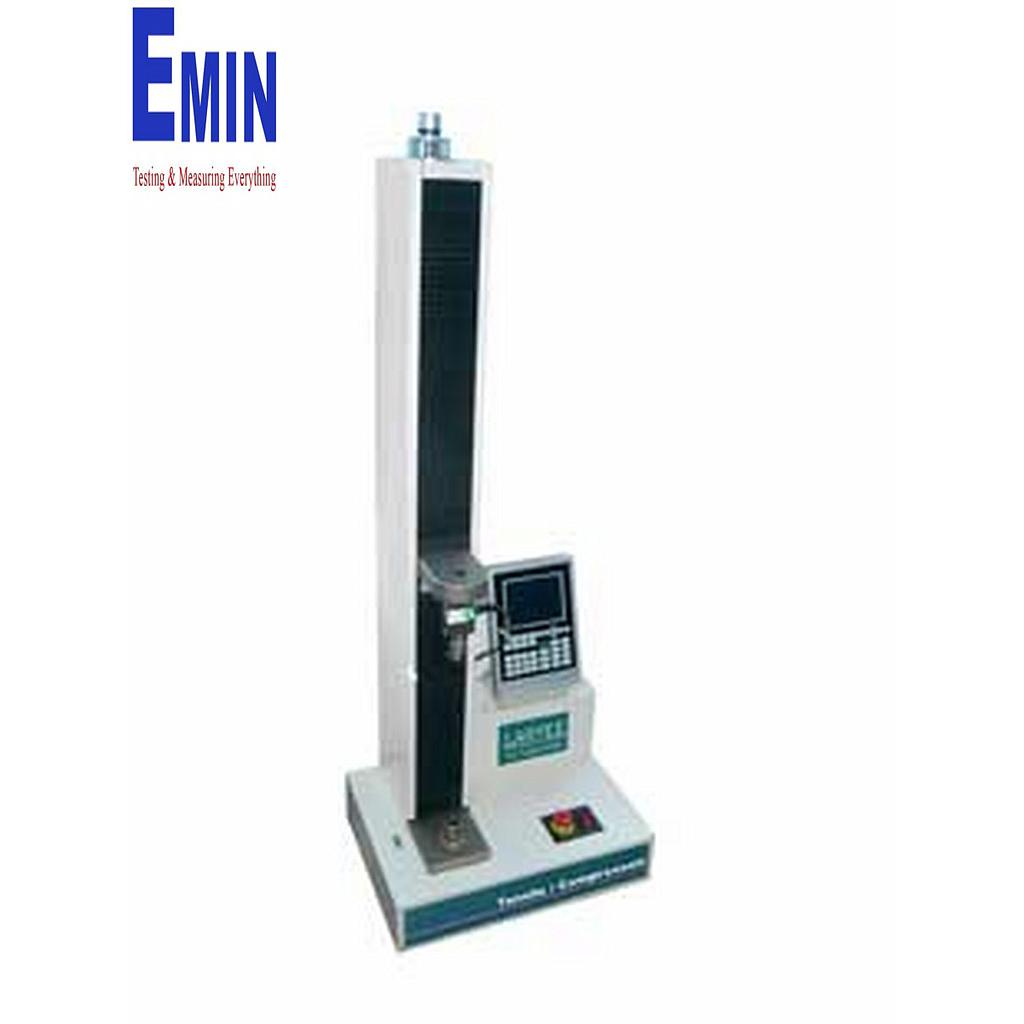
Where universal tensile testing machines are used
These systems are widely selected when one platform needs to support more than a single test mode. In practice, that may include tensile strength testing, compression testing, extension measurement, peel or shear evaluation, and pull-off verification depending on the fixture, load range, and control method.
Typical applications include plastics, rubber, textiles, packaging, medical materials, cable assemblies, fasteners, adhesives, and engineered components. In many workflows, the tester is part of a broader measurement chain that may also involve strain gauges or signal conditioning hardware when force and deformation data need to be monitored beyond the machine itself.
What makes this category “universal”
The “universal” aspect comes from the ability to run different mechanical tests on the same frame by changing grips, fixtures, software methods, and load cells. Instead of buying separate equipment for every task, users can configure one system for tension, compression, and in some cases more specialized procedures such as bending, peel, or friction-related evaluation.
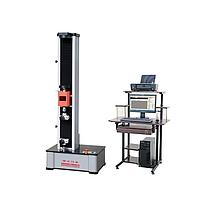
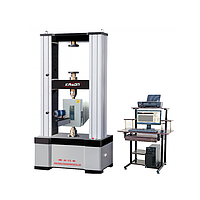
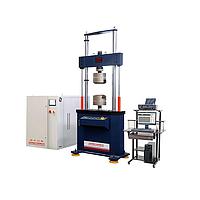
This flexibility is especially useful for labs handling multiple materials or evolving product lines. A compact single-column model may suit lighter specimens and routine QA, while a dual-column or higher-force platform is generally more appropriate for larger samples, tougher materials, or tests requiring extra frame stiffness and travel.
Examples of systems in this range
Several products in this category illustrate how broad the application range can be. The INSTRON 68SC-02 Single Column Table Model is a good example of a bench-format system designed for controlled tension and compression testing at lower force capacity, making it relevant for many laboratory and component-level tasks.
For users needing broader versatility at very small force and torque levels, the Anton Paar UTM Micro Universal Testing Machine supports micro-scale mechanical characterization and can be relevant in advanced materials work. In textile and flexible material testing environments, James Heal TITAN5, TITAN10, and TITAN25 systems show how one product family can scale from moderate to higher capacities while maintaining a consistent testing approach.
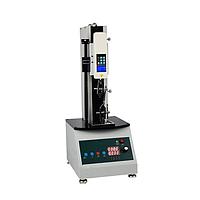
This category also includes equipment that supports adjacent force-testing needs. For example, Lansmont compression testing machines are useful for package compression and transport-performance studies, while Alluris motorized pull testers serve more focused pull-test tasks such as cable or crimp verification. For anchor and fixing verification, the Hydrajaws 5kN Analogue Gauge represents a more application-specific force measurement tool within the wider force testing ecosystem.
How to choose the right machine
The first selection factor is force capacity. Choosing too small a range limits the tests you can run, while an oversized machine may reduce sensitivity for low-force work. Capacity should be matched to the specimen, expected break load, and the standards or internal methods your team follows.
The second key point is the test type. Some users mainly need tensile testing, while others require both tension and compression on one platform. Travel range, speed control, frame geometry, and compatibility with grips or platens all affect whether a machine fits your actual workflow.
A third consideration is measurement quality. Buyers often look at load accuracy, displacement control, repeatability, and software support for method setup and data handling. Where force signals need to be integrated into a wider instrumentation architecture, related devices such as a load cell transmitter may also matter in the overall test and monitoring setup.
Bench-top, micro-force, and higher-capacity configurations
Not every application requires the same machine architecture. Bench-top universal testers are often preferred for routine lab testing because they balance footprint, usability, and capability. They are commonly used for plastics, elastomers, fabrics, packaging components, and general product validation.
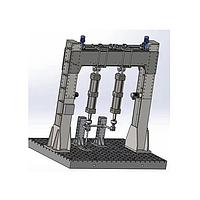
At the lower end of the force spectrum, micro-force systems become important when very delicate specimens or highly sensitive material behavior must be observed. At the higher end, larger-frame or compression-oriented systems are more suitable for shipping containers, industrial packaging, and bulky samples where force range and test envelope are the main priorities.
That is why this category should be viewed not just as a list of machines, but as a set of solutions for different mechanical testing scenarios. Matching the frame type to the specimen and test objective is usually more important than simply comparing maximum force values.
Manufacturers commonly considered in this category
Buyers comparing universal tensile testing systems often start with established names such as Anton Paar, INSTRON, James Heal, and Lansmont, depending on whether the priority is micro-mechanics, routine universal testing, textile-oriented workflows, or package compression performance. The manufacturer matters not only for the frame itself, but also for software logic, accessory availability, and the suitability of the system for specific test methods.
Other brands listed in the wider category context, including Alluris and Hydrajaws, can also be relevant when the testing task is more specialized than a standard universal machine application. In B2B purchasing, the right choice often depends on the specimens you run every day, the level of traceability required, and how easily the platform can adapt as your testing needs expand.
Related equipment in a broader force measurement workflow
A universal testing machine is often only one part of a complete measurement environment. Depending on the application, users may also need data display hardware, accessories, gripping tools, or complementary instrumentation for force and deformation analysis. If your process includes local deformation monitoring or structural evaluation, strain meters can be a useful adjacent category to review.
For production lines or integrated test benches, peripheral components may also support data acquisition, indication, or interface requirements around the main tester. Looking at the full workflow helps avoid selecting a machine that is technically capable but difficult to integrate into daily operation.
Finding a suitable system for your testing task
The best approach is to start from the specimen, the required force range, and the test methods you actually need to perform. From there, it becomes easier to compare whether a compact single-column unit, a dual-column universal tester, a micro-force platform, or a compression-focused system is the better fit.
This Universal Tensile Testing Machine category brings together equipment for different force-testing requirements, from general-purpose lab evaluation to more specialized mechanical verification. If you are narrowing down options, focus on test mode, capacity, control performance, and compatibility with your application rather than choosing only by brand or headline specification.
Get exclusive volume discounts, bulk pricing updates, and new product alerts delivered directly to your inbox.
By subscribing, you agree to our Terms of Service and Privacy Policy.
Direct access to our certified experts