Glass surface stress measuremment
Reliable glass performance depends on more than appearance. In architectural, automotive, and solar applications, the ability to verify stress at the surface helps manufacturers and inspection teams confirm whether heat treatment and handling processes are under control. This is especially important for tempered, heat-strengthened, and annealed glass used where safety and consistency matter.
Glass surface stress measurement instruments are designed for this job. They support quality control in production, incoming inspection, and field checks by helping users assess stress conditions on finished glass panels without turning the process into a destructive test routine.
Why surface stress matters in glass inspection
Surface stress is a critical parameter in glass because it is closely tied to strength, breakage behavior, and compliance with process requirements. In heat-treated glass, the surface is intentionally placed in compression, but the actual result must still be checked to confirm that tempering or heat strengthening has been carried out consistently.
Uncontrolled stress can lead to uneven performance between panels, quality disputes, or failures discovered too late in the supply chain. For many inspection workflows, surface stress measurement is used alongside other dimensional and physical checks such as thickness measurement to build a more complete picture of glass quality.
Where these instruments are commonly used
This category is relevant for applications involving heat-treated glass, safety glass, annealed glass, solar glass, and automotive glass. In practice, that means the equipment may be used in glass processing plants, QA laboratories, façade contractors, and technical service teams responsible for on-site verification.
The measurement task may differ by environment. A factory may use it to validate production batches and process adjustments, while a field engineer may use a portable unit to check installed or incoming glass. In both cases, the goal is the same: obtain a dependable indication of surface stress before the glass moves further into service.
Typical instrument formats in this category
The products in this range are centered on GASP-based measurement solutions from Strainoptics. These instruments are intended for measuring surface stress in heat-strengthened and tempered glass, with variants suited to different workflows and curvature conditions.
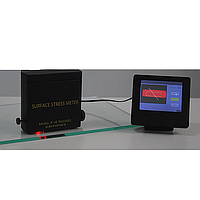
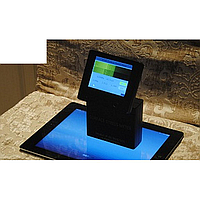
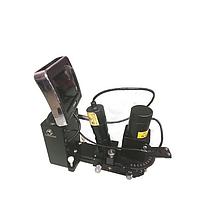
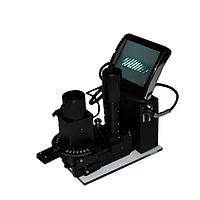
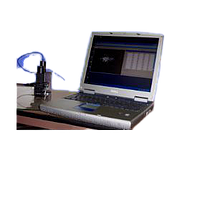
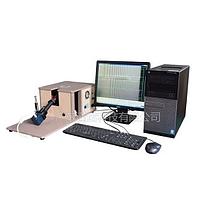
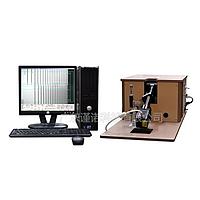
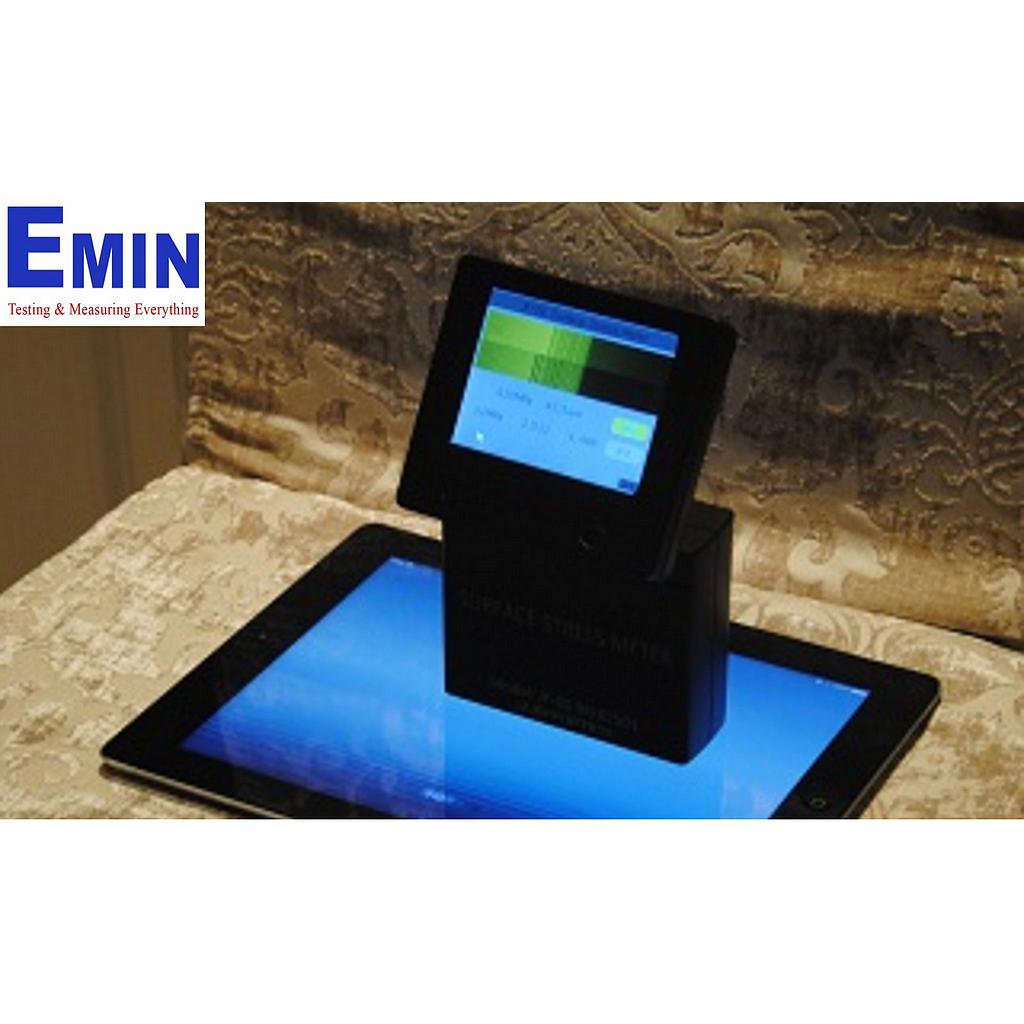
Examples include the Strainoptics GASP and GASP-CS for users who prefer a more direct, portable format, as well as LCD-equipped versions such as the LCD-GASP and LCD-GASP-CS. For teams that need computer-connected operation, models such as the Auto-GASP2 and Auto-GASP-CS provide an option for integrating measurement results into a more structured inspection routine.
Another practical distinction in this category is the supported radius of curvature. Some models are intended for glass with radius of curvature above 500 mm, while CS versions are aimed at applications above 200 mm. That makes model selection closely linked to the shape of the glass being inspected, not only the need for display or software connectivity.
What to consider when choosing a glass surface stress meter
The first point is the type of glass you need to inspect. If your work includes tempered, heat-strengthened, and annealed glass across multiple projects, it is useful to choose a system that supports a practical measuring range and resolution suited to those conditions. The products listed in this category are presented for applications such as safety, solar, and automotive glass, which can help narrow the selection.
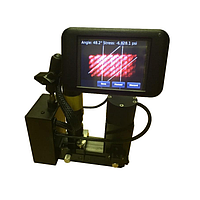
The second point is the inspection environment. A handheld unit without LCD may be suitable for experienced users who want a simpler instrument for routine checks. An LCD version can improve readability in day-to-day operation, while a computer-connected model may be more appropriate for traceability, reporting, or lab-style workflows.
It is also important to review curvature requirements, accessories, and measurement setup. Some systems include elements such as a measuring wedge, calibration plate, charger, tin-side detector, and carrying case, which can be useful when the instrument is regularly transported between work areas or job sites.
How these products fit into a broader quality-control workflow
Glass inspection rarely depends on a single parameter. Surface stress measurement is often part of a broader process that may also involve dimensional checks, edge quality review, and verification of panel thickness. For that reason, teams working with processed glass may also use tools such as callipers or other mechanical measuring instruments where appropriate.
In production environments, stress measurement can support process optimization by showing whether heat treatment outcomes remain stable from batch to batch. In field service, it helps technicians make informed decisions when verifying incoming material or investigating quality concerns without immediately moving to destructive analysis.
Highlighted products in this category
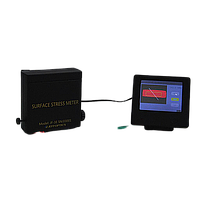
Several representative models help illustrate the range available. The Strainoptics Auto-GASP2 is positioned for computer-connected measurement on glass with radius of curvature above 500 mm, while the Strainoptics Auto-GASP-CS is intended for similar use on tighter curvature applications above 200 mm.
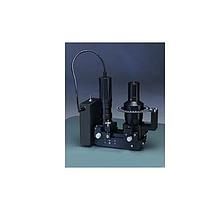
For users who want a built-in display, the LCD-GASP and LCD-GASP-CS provide an LCD-based format. For more straightforward portable operation, the GASP and GASP-CS are available without LCD. Across these variants, the common focus remains practical measurement of surface stress in heat-strengthened and tempered glass, with application relevance extending to annealed, solar, safety, and automotive glass as indicated in the product data.
Practical selection guidance for buyers and engineers
If your priority is mobility and quick verification, a simpler portable model may be enough. If measurements need to be reviewed, documented, or shared between departments, an LCD or computer-connected version will usually make daily work easier. The right choice depends less on marketing labels and more on how measurements are actually performed in your facility.
Curved glass should be reviewed carefully before purchase. Choosing a model with the correct radius capability is essential, especially when comparing standard versions with CS variants. It is also worth considering whether your team needs a dedicated device only for stress measurement or a setup that will be used alongside tools such as a roundness measuring machine in more specialized inspection environments.
Support for consistent glass quality
For companies processing or verifying safety-critical glass, this category provides access to instruments built for a very specific and important task: checking surface stress in finished glass. That makes it relevant not only for final inspection, but also for process validation, troubleshooting, and acceptance checks across the supply chain.
Whether you are comparing portable GASP models, LCD-equipped versions, or computer-connected systems, the key is to match the instrument to the glass type, curvature, and inspection workflow you actually have. A well-chosen glass surface stress measurement solution can make quality control more consistent, more traceable, and more practical in both factory and field settings.
Get exclusive volume discounts, bulk pricing updates, and new product alerts delivered directly to your inbox.
By subscribing, you agree to our Terms of Service and Privacy Policy.
Direct access to our certified experts