Dryer
Moisture control is a critical part of many industrial and laboratory processes, from protecting stored materials and production areas to handling drying steps that require stable thermal and vacuum conditions. Choosing the right dryer is not only about rated capacity; it also depends on the working principle, installation environment, process target, and how the equipment fits into the broader production system.
On this page, you can explore dryer solutions used for industrial dehumidification as well as freeze-drying applications. The product range includes systems for reducing ambient humidity in workshops and storage spaces, along with equipment designed for low-temperature, vacuum-assisted drying of sensitive samples. That makes this category relevant for users comparing drying technologies rather than looking for one generic machine type.
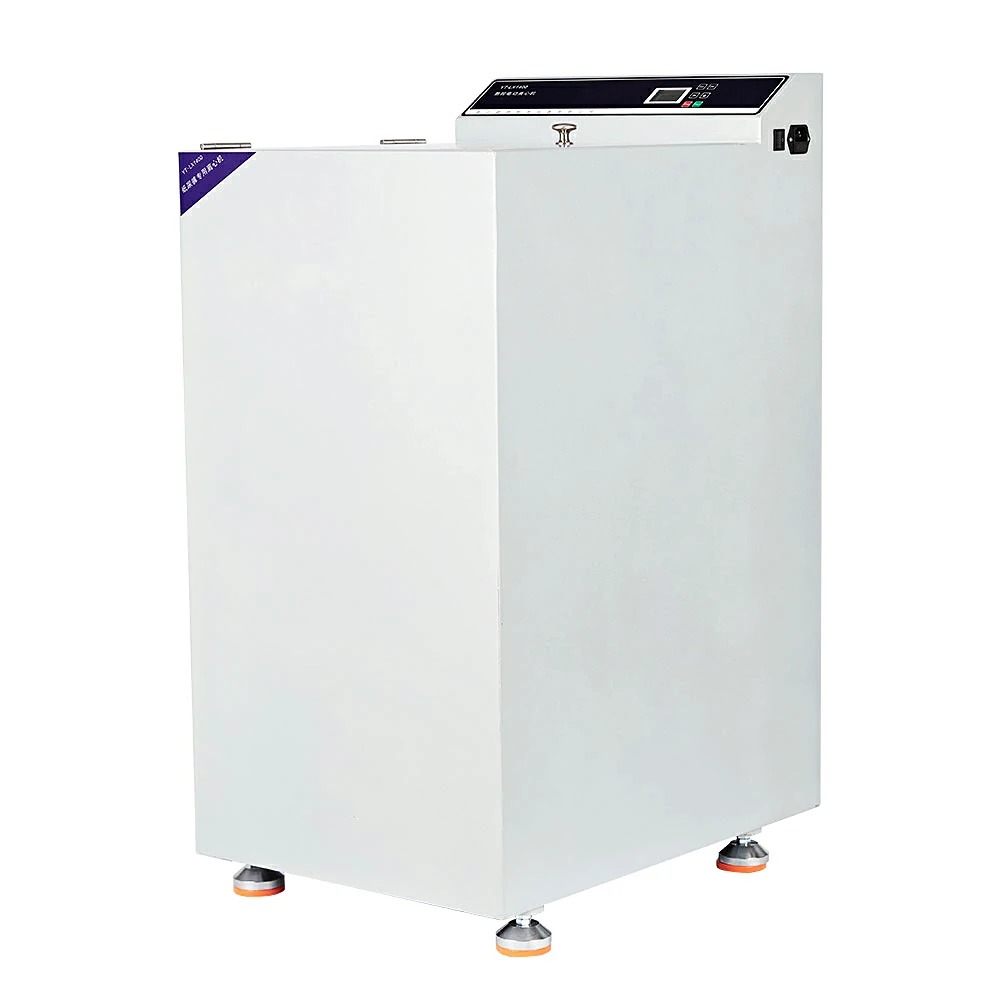
Different drying tasks require different technologies
In practice, dryers are selected based on what needs to be removed and how gently or quickly the process must run. For room and process-area humidity reduction, industrial condenser dryers are commonly used to remove water from the air and help stabilize environmental conditions. These are often applied in warehouses, production zones, restoration work, utility rooms, and manufacturing spaces where excess moisture can affect product quality or equipment reliability.
For more specialized sample preparation, freeze dryers operate on a different principle. They combine low temperatures with vacuum conditions to trap moisture while helping preserve heat-sensitive materials. This makes them suitable when conventional heated drying could damage the sample or alter its structure.
What you will find in this dryer category
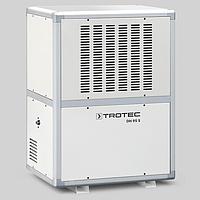
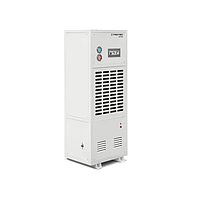
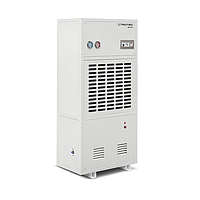
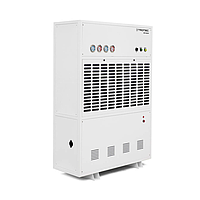
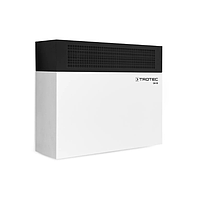
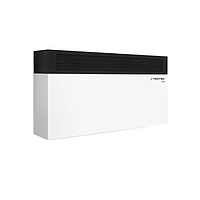
A large part of the category focuses on industrial condenser dryers from Trotec, covering a wide capacity range. Smaller models such as the Trotec DH 25 S and DH 65 S are suitable for moderate dehumidification needs, while higher-capacity units like the DH 145 SH or DH 310 are aimed at larger spaces and heavier moisture loads. This spread helps buyers compare options by airflow, daily moisture removal, power supply, and installation scale.
The category also includes laboratory-oriented units from TAITEC, including the VD-250R, VD-550R, and VD-800R freeze dryers. These models illustrate a different branch of drying equipment, where low trapping temperature, vacuum compatibility, and chamber volume are more important than room air treatment. If your process involves sensitive materials, this distinction matters early in the selection stage.
How to choose a dryer for your application
The first question is whether you need to dry the surrounding air or the product itself. Industrial condenser dryers are typically chosen for environmental humidity control, while freeze dryers are used when moisture must be removed directly from samples under carefully controlled conditions. Defining that goal prevents mismatches between equipment type and process requirement.
Next, review operating conditions such as ambient temperature, relative humidity, available electrical supply, and required airflow or trapping performance. For example, condenser dryers in this category span compact single-phase units and larger three-phase systems, so site power availability can influence model selection immediately. In laboratory use, freeze dryers also require attention to recommended vacuum pump compatibility and expected moisture load per batch.
It is also useful to consider upstream and downstream equipment. In facilities where moisture removal is part of a larger utility setup, related systems such as compressed air treatment equipment may be relevant for maintaining overall process stability. For temperature-managed processes, some buyers also compare drying systems with industrial water cooler and chiller solutions depending on how heat is handled in the line.
Representative product directions in this range
For industrial dehumidification, the Trotec range shows how capacity scales with application size. Units such as the DH 30 H and DH 60 H provide a step up in heating-assisted dehumidification performance, while the DH 95 S, DH 105 S, and DH 115 S address higher-volume air handling and stronger moisture removal demands. At the top end, models like the DH 145 SH and DH 310 are better aligned with larger industrial spaces where sustained air movement and condensate management are important.
For controlled low-temperature drying, the TAITEC VD series highlights several capacity levels. The VD-250R is positioned for smaller trapping volumes, while the VD-550R and VD-800R support larger batch handling and deeper low-temperature performance. Instead of focusing on room air treatment, these systems are more closely tied to laboratory workflow, vacuum operation, and sample protection.
Common installation and operating points that affect performance
Even a well-matched dryer can underperform if the installation environment is overlooked. Industrial dryers generally need adequate clearance for intake and exhaust airflow, especially when they run for long periods in enclosed or warm spaces. Poor airflow around the machine can reduce heat exchange efficiency and place unnecessary stress on compressors, fans, and control components.
Routine maintenance is just as important. Dust, residue, and blocked air paths can reduce drying efficiency over time, while neglected condensate drainage or contaminated internal components may lead to unplanned downtime. For process-sensitive applications, it is also good practice to compare displayed operating values with actual conditions in the workspace or chamber rather than relying only on the setpoint.
Where drying is part of a packaging or finishing workflow, adjacent equipment such as a heat shrinking machine may influence layout, ventilation, and thermal load in the same area. Looking at the process as a whole often leads to better long-term equipment decisions than selecting a dryer in isolation.
Key comparison factors before placing an order
When comparing products in this category, focus on the parameters that directly affect your process. For condenser dryers, these typically include dehumidification rate, airflow, operating temperature range, power input, refrigerant type, and physical size. For freeze dryers, users usually pay closer attention to cooling temperature, trapping volume, chamber capacity, vacuum-related requirements, and utility compatibility.
It is also worth checking practical details such as unit dimensions, weight, connection requirements, and service access. A model with the right nominal performance may still be inconvenient if it does not fit the available footprint, power source, or maintenance space. In B2B purchasing, these practical constraints often matter as much as the headline specification.
Finding the right fit for industrial and laboratory drying
This dryer category brings together equipment for two distinct but equally important needs: industrial air dehumidification and controlled freeze-drying. Trotec models support humidity management across a broad range of facility sizes, while TAITEC units address low-temperature vacuum drying where sample integrity is a priority. Understanding that difference is the first step toward narrowing the right option.
If you are comparing dryers for a plant room, warehouse, production area, or laboratory workflow, start with the drying objective, then review operating conditions, utilities, and maintenance expectations. A clear process-based selection approach will help you identify equipment that is technically suitable and easier to integrate into daily operation.
Get exclusive volume discounts, bulk pricing updates, and new product alerts delivered directly to your inbox.
By subscribing, you agree to our Terms of Service and Privacy Policy.
Direct access to our certified experts