Lathe Machine
Precision turning work depends on more than spindle speed alone. In many workshops, buyers comparing manual and conventional turning equipment also need to think about chuck compatibility, workpiece size, bed capacity, and how the machine will fit into day-to-day production or maintenance tasks. This is where the Lathe Machine category becomes useful: it brings together core equipment and related components used for practical machining operations in industrial environments.
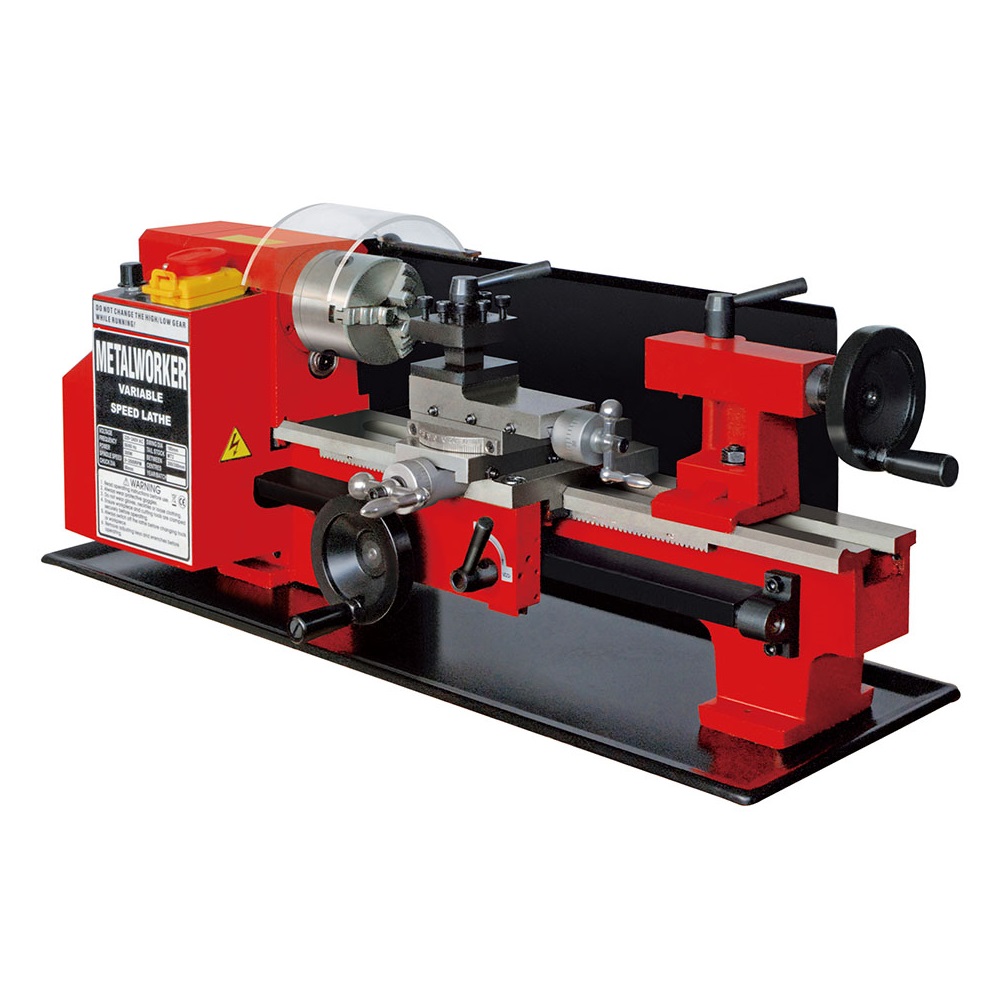
Where lathe machines fit in industrial machining
A lathe remains one of the most widely used machines for producing round, concentric, and threaded parts. It is commonly selected for shaft work, facing, boring, turning external diameters, and other operations where stable workholding and repeatable cutting performance are important. In repair shops, general fabrication, maintenance departments, and small-batch production, conventional lathes continue to play a practical role because they are flexible and straightforward to set up.
For many users, the main decision is not simply choosing a lathe, but choosing a machine with the right working envelope and supporting accessories. Bed length, spindle bore, swing capacity, and chuck selection all affect whether the machine can handle the intended workpieces efficiently. If your facility also relies on temperature-controlled support equipment around production lines, it may be useful to review related systems such as industrial chillers for broader machinery planning.
Typical equipment found in this category
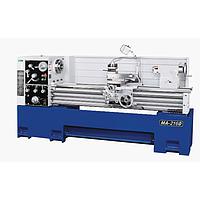
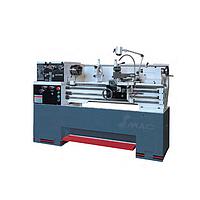
This category centers on turning equipment and key workholding items used with those machines. A representative example is the L&W Machine MA-1730 CONVENTIONAL LATHE, which illustrates the kind of conventional lathe buyers often look for when they need a balance of working capacity and workshop versatility. Based on the provided product data, it is positioned for general turning applications with a spindle bore of Ø58 mm and a center distance suited to many standard machining jobs.
Workholding is just as important as the machine itself. The L&W Machine Jaw chuck 8'' shown in this category is an example of a 3-jaw chuck used as a supporting component in the lathe ecosystem. Rather than being treated as a separate standalone solution, accessories like this should be evaluated in terms of compatibility with the lathe, gripping range, through-hole needs, and the type of workpiece being machined.
Key factors when selecting a lathe machine
When comparing options, buyers usually start with working capacity. This includes swing over bed, distance between centers, and spindle passage. These basic dimensions help determine whether the lathe can support the diameter and length of the parts you expect to process. Even before looking at speed ranges or accessories, capacity limits quickly narrow down which machines are realistically suitable.
The second factor is machine configuration and operating style. A conventional lathe is often preferred where operators need manual control for varied repair work, prototype parts, or short production runs. In these cases, a machine such as the L&W Machine MA-1730 can appeal to workshops that value direct operation and broad application coverage rather than highly specialized automation.
The third factor is tooling and workholding support. A machine may look suitable on paper, but real productivity depends on whether compatible chucks and other accessories are available. That is one reason buyers often review both machine listings and related items together, especially when planning a new setup or replacing worn components.
Considering brands and product ecosystem
Within this category, L&W Machine stands out because the available products show both a conventional lathe and a related chuck solution. That combination is useful for buyers who want to evaluate not only the main machine but also the surrounding workholding ecosystem. Looking at machines and compatible accessories together can simplify sourcing and reduce uncertainty during installation or replacement planning.
Unifast also appears in the broader product mix with electric tapping arms such as the ETU-24-1350 and ETU-30-1350. While these are not lathes, they are relevant in a machining environment where turning and thread-making may exist in the same workflow. A shop producing metal components often combines turning operations with tapping, drilling preparation, and finishing steps, so adjacent equipment can still matter when building out a practical machinery portfolio.
How accessories influence machining efficiency
A lathe setup is only as effective as its ability to hold the part securely and consistently. This is why buyers should pay close attention to chuck type, clamping behavior, and through-hole requirements. For example, a 3-jaw chuck is commonly used when fast centering and routine cylindrical work are priorities, making it a practical choice in many general-purpose turning applications.
Accessory decisions also affect setup time, operator convenience, and the range of jobs the machine can take on. In mixed production environments, selecting the right chuck or related workholding component can reduce changeover time and improve repeatability from one job to the next. If your plant layout includes pneumatic tools or air-powered support systems near machine stations, related infrastructure such as compressed air treatment equipment may also be relevant to overall system reliability.
Lathe machines in maintenance, repair, and production workshops
Not every buyer needs a highly complex turning center. In many industrial settings, a conventional lathe remains the practical choice for maintenance departments, equipment repair teams, educational workshops, and general machining rooms. These users often need flexibility to handle different part sizes and repair tasks without the overhead of a more specialized system.
For small and medium production runs, the same logic applies. A properly matched lathe can handle routine turning jobs, support custom part fabrication, and help maintain production continuity when replacement parts are needed quickly. The value of the category, therefore, lies not only in the machine itself but in giving buyers a clearer path to compare machine capacity, workholding, and supporting equipment in one place.
What to review before placing an order
Before choosing a model, confirm the actual workpiece dimensions, the materials you expect to machine, and the kinds of operations performed most often. It is also worth checking whether your workflow involves frequent chuck changes, long shafts, or larger diameters that require more generous swing and spindle passage. These practical points usually matter more than broad marketing language.
Buyers should also look at the surrounding workshop context. Cooling, fixturing, power availability, and process flow all influence long-term usability. In facilities where packaging or post-process handling is part of the same production chain, adjacent categories like heat shrinking machines may be useful for broader equipment planning, even though they serve a different stage of operations.
Finding the right fit for your application
The right lathe machine depends on the type of work you do every day: repair, one-off machining, training, or regular production of turned components. A suitable selection should match your required capacity, support practical workholding, and fit naturally into the wider shop environment. Reviewing both the machine and its accessory options can help reduce mismatch and improve long-term usability.
As you compare products in this category, focus on real machining needs rather than headline specifications alone. A well-matched conventional lathe, supported by compatible chucks and relevant adjacent equipment, is usually the most reliable foundation for efficient turning work.
Get exclusive volume discounts, bulk pricing updates, and new product alerts delivered directly to your inbox.
By subscribing, you agree to our Terms of Service and Privacy Policy.
Direct access to our certified experts