Optical spectrum analyzer
When you need to see how optical power is distributed across wavelength, a Optical spectrum analyzer becomes one of the most practical tools in fiber testing and photonic measurement. It helps engineers verify signal quality, inspect channel behavior in WDM systems, evaluate optical sources, and understand how components affect spectral performance across a defined band.
In telecom, lab, and service environments, this type of instrument is used not only to view spectral traces, but also to support tasks such as wavelength verification, channel power measurement, optical rejection analysis, and OSNR assessment. That makes it highly relevant for commissioning, troubleshooting, maintenance, and development work in modern optical networks.
Where optical spectrum analyzers are typically used
An optical spectrum analyzer is commonly selected for applications where spectral visibility matters more than a single-point reading. Typical use cases include checking lasers and broadband light sources, verifying channel spacing in CWDM or DWDM systems, evaluating amplifier gain behavior, and measuring how filters, attenuators, or passive components influence transmission at different wavelengths.
It is also useful when a standard optical power meter does not provide enough detail. A power meter is ideal for level measurements at a point, while an OSA gives a broader picture of peaks, noise, channel profiles, and spectral changes over wavelength. For deeper fiber path diagnostics, users often combine OSA work with an OTDR meter in the same test workflow.
What matters when choosing the right OSA
The first selection point is the wavelength range. In many telecom applications, coverage around 1250 to 1650 nm is important because it aligns with common single-mode fiber transmission windows and WDM analysis tasks. If your work spans multiple bands or channel plans, the usable wavelength range should match the actual network or device under test.
Next comes resolution bandwidth, wavelength accuracy, dynamic range, and sensitivity. These parameters directly affect whether the analyzer can separate closely spaced channels, detect weak signals beside stronger ones, and provide stable measurements for acceptance testing or troubleshooting. Measurement speed also matters in service environments, especially when technicians need fast scan and display updates without sacrificing trace quality.
Power accuracy and repeatability should not be overlooked. In many optical systems, engineers need to compare not just where a signal appears, but how strong it is, how stable it remains, and how much noise exists around it. That is why specifications related to trace repeatability and low-level detection often matter just as much as headline wavelength accuracy.
Examples from EXFO for telecom spectral analysis
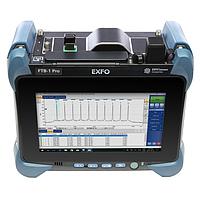
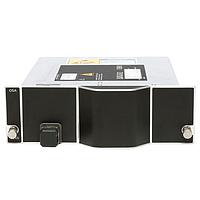
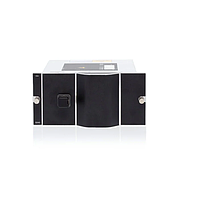
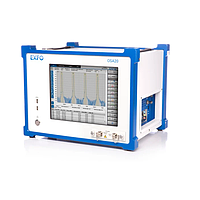
EXFO appears prominently in this category with several optical spectrum analyzer platforms designed for field and lab-oriented fiber applications. Models such as the EXFO OSA20 Optical Spectrum Analyzer and the FTBx-5243-HWA High Wavelength Accuracy Optical Spectrum Analyzer illustrate the kind of tools used for spectral measurement, WDM analysis, and precise wavelength verification across the common telecom bands.
Other examples in the range, including the EXFO FTBx-5255, FTBx-5245, and FTBx-5235, show how different analyzer variants can address different levels of performance and application depth. Based on the listed data, these instruments are aimed at tasks such as WDM analysis, drift monitoring, transmittance-related evaluation, and OSNR-oriented measurements, with compact form factors that suit deployment in modular or portable test environments.
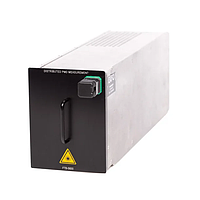
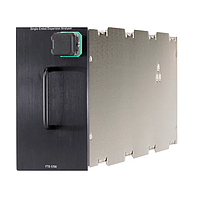
For users working on broader transmission performance topics, this category also includes EXFO instruments such as the FTB-5700 Single-ended dispersion analyzer and FTB-5600 Distributed PMD Analyzer. While these are not OSAs in the narrow sense, they fit the wider optical test ecosystem by addressing chromatic dispersion and PMD behavior that can affect high-speed links alongside spectral quality.
Portable and specialized platforms in the wider analyzer landscape
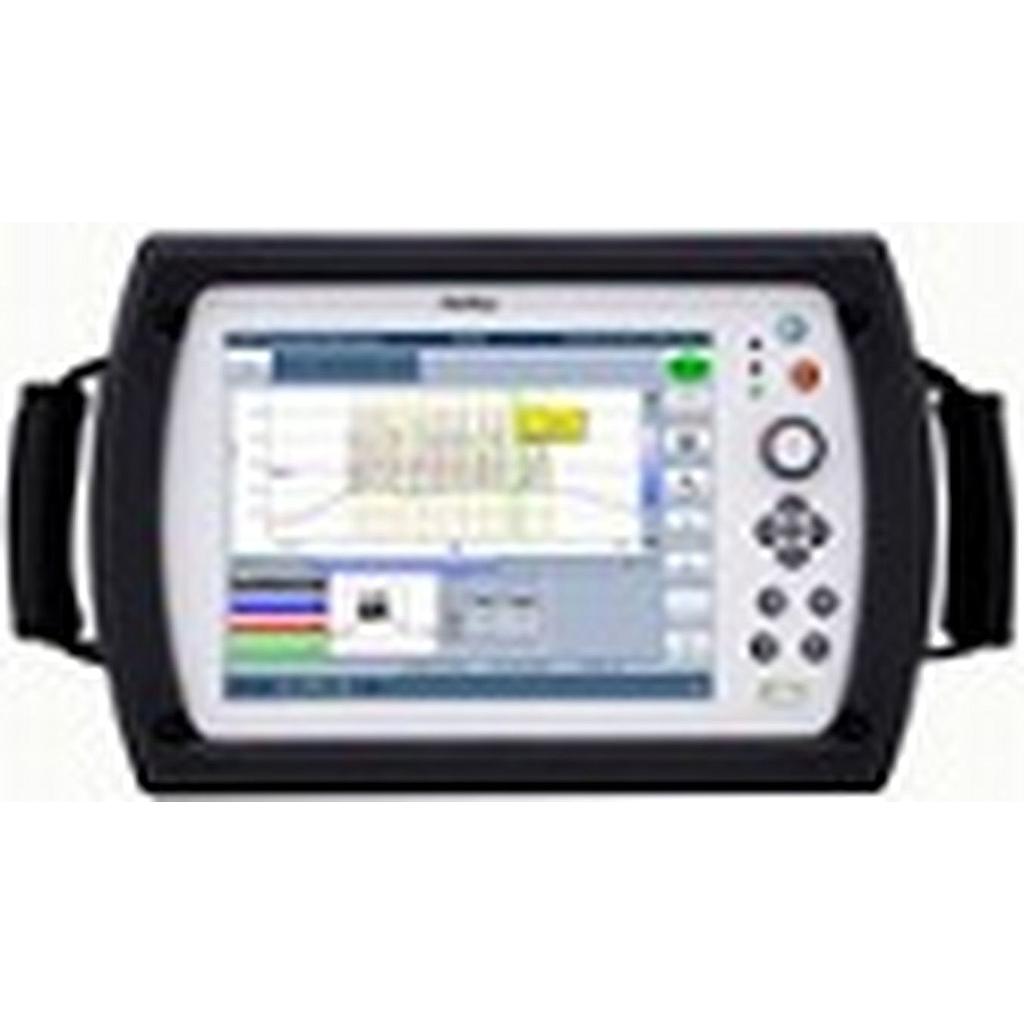
This category also includes products from other manufacturers that help illustrate how analyzer technologies are positioned across different signal domains. For example, the ANRITSU CMA5000a OSA Optical Spectrum Analysis Application reflects a platform-oriented approach to optical spectrum analysis, where OSA capability is integrated into a broader test environment.
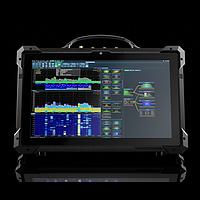
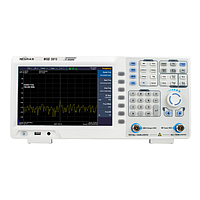
Meanwhile, products such as the AARONIA V6 TABLET 100TA-6 Real-Time Spectrum Analyzer and the TTI PSA6005USC Handheld Spectrum Analyser are spectrum analysis instruments from the RF domain rather than telecom optical OSA platforms. Their presence is useful as a reminder that “spectrum analyzer” terminology can span different technologies, so buyers should always confirm whether the required measurement is optical wavelength-based analysis or RF frequency-based analysis before selecting equipment.
How OSA performance affects real network measurements
In dense channel environments, analyzer performance determines whether channel peaks can be separated cleanly and whether noise can be interpreted with confidence. For DWDM and CWDM validation, an OSA with appropriate optical rejection, wavelength repeatability, and trace stability helps users assess channel power balance, detect drift, and identify spectral anomalies before they become service issues.
In amplifier and transmission-path evaluation, spectral shape matters. Engineers often look for tilt, uneven gain, unwanted peaks, or changes after filters and passive components. A capable OSA gives a visual and numerical basis for these observations, helping teams make better decisions during installation, qualification, or fault isolation. When fault localization is needed together with spectral analysis, a related optical fault locator can complement the workflow.
Practical selection tips for B2B buyers
Before choosing a model, start with the measurement objective rather than the brand list. If the job is routine channel monitoring in telecom bands, focus on wavelength coverage, resolution, and the required level of wavelength accuracy. If the work includes amplifier analysis or low-level signal inspection, pay closer attention to dynamic range, sensitivity, and power measurement behavior.
Form factor and interfaces are also important in B2B environments. Portable or modular units may suit field service teams, while benchtop-style platforms can fit production, R&D, or lab verification. Storage, USB, Ethernet, display usability, and automation interfaces can have a major effect on long-term workflow efficiency, especially when test records need to be exported or integrated into existing procedures.
It is also worth considering the broader test setup. In many projects, the OSA is only one part of the toolchain, working alongside instruments for power measurement, link loss verification, or connector and fiber diagnostics. Looking at the full measurement process usually leads to a better purchase decision than comparing one isolated specification.
Why this category is useful for optical test planning
This selection brings together optical spectrum analysis products and closely related analyzer platforms used in fiber and photonic applications. It gives buyers a practical starting point for comparing wavelength-focused measurement tools, reviewing portable and modular options, and identifying which instruments are aligned with telecom spectral analysis requirements.
If your work involves WDM systems, optical source characterization, amplifier checks, or spectral troubleshooting, an appropriate OSA can add a level of visibility that simpler instruments cannot provide. Reviewing the intended wavelength range, accuracy needs, and application context will help narrow the choice and make the final system more effective in day-to-day operation.
Get exclusive volume discounts, bulk pricing updates, and new product alerts delivered directly to your inbox.
By subscribing, you agree to our Terms of Service and Privacy Policy.
Direct access to our certified experts