EMobility
Electrification is changing how vehicles, charging systems, and energy infrastructure are designed. For buyers, engineers, and sourcing teams, that usually means looking for components that can support reliable power transfer, robust interconnection, and practical integration across charging and vehicle-side systems. This is where EMobility components become highly relevant in industrial and B2B procurement.
Within this category, the focus is on the hardware ecosystem behind electric mobility applications rather than on finished consumer products. That includes solutions used around charging interfaces, cable assemblies, power distribution, and connector systems that need to perform consistently in demanding operating conditions.
What this category is built to support
EMobility applications depend on more than a charging point alone. A complete system typically involves connectors, charging cables, interface components, and related power hardware that help move energy safely and efficiently between infrastructure and the vehicle. In practice, buyers often need parts that fit into larger assemblies for EV charging, fleet infrastructure, industrial transport, or related electrified platforms.
This makes the category especially useful for companies working on charging equipment, vehicle integration, transport electrification, and supporting electrical architecture. Rather than treating every part as a standalone item, it helps to evaluate the system-level compatibility between cable, connector, mounting, and power requirements from the beginning of the project.
Core component types in EMobility systems
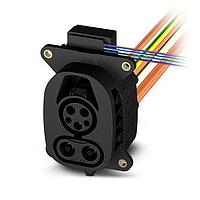
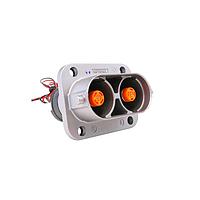
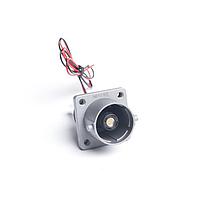
Two of the most visible product groups in this space are EV connectors and EV charging cables. These components play different but closely related roles. Connectors are central to the electrical and mechanical interface, while charging cables must handle current transfer, flexibility, routing, and repeated use over time.
For teams comparing component families, it is often useful to review related product areas such as power cords and broader power supply hardware when designing a complete power path. That wider view helps reduce mismatches between interface components and the rest of the electrical system.
Selection factors that matter in B2B purchasing
In industrial and commercial settings, choosing EMobility components is rarely just about fit and price. Buyers usually need to consider current and voltage demands, environmental exposure, installation method, cable handling requirements, mating reliability, and service life expectations. Mechanical durability can be just as important as electrical performance, especially in charging applications with frequent connect and disconnect cycles.
Another practical consideration is how easily a component can be integrated into the overall platform. This includes enclosure constraints, assembly workflow, field maintenance, and compatibility with existing standards or design practices already used by the engineering team. A well-chosen component can simplify both installation and long-term support.
Manufacturers commonly specified for electric mobility projects
Many buyers in this category look first at established interconnect and industrial electrical suppliers with experience in demanding applications. Brands such as TE Connectivity, Amphenol Industrial, HARTING, PHOENIX CONTACT, ITT Cannon, Aptiv, HUBER+SUHNER, and Weidmuller are often relevant when projects require proven connector and infrastructure expertise.
Depending on the design scope, teams may also compare offerings from PHOENIX CONTACT or Advantech where the project extends beyond basic interconnection into broader electrical or system integration needs. The right choice depends less on brand visibility alone and more on application fit, engineering constraints, and supply continuity.
Typical applications across the EMobility ecosystem
EMobility components are used across a broad range of electrified environments. Common examples include EV charging equipment, commercial charging infrastructure, vehicle-side power interfaces, fleet charging systems, and industrial mobility platforms where dependable electrical connection is required.
These products may also support projects tied to energy storage, charging management, or distributed power systems. In some cases, specifiers evaluating electric mobility hardware may also need to review adjacent categories such as battery charger solutions or supercapacitors when the application involves charging control, backup power, or peak power support within a larger architecture.
Why connector and cable quality matters in charging infrastructure
Charging environments place repeated stress on electrical interfaces. Components may be exposed to outdoor conditions, vibration, handling wear, thermal cycling, and repeated mating cycles over long service periods. Because of that, the quality of the connector system and cable construction can directly affect uptime, maintenance frequency, and user safety.
For procurement teams, this means the evaluation process should go beyond a simple part-to-part comparison. Attention should also be given to the intended duty cycle, installation environment, and the expected balance between performance, maintainability, and lifecycle cost. In many projects, a slightly better fit at the component level can prevent larger integration issues later.
How to approach sourcing more efficiently
A practical sourcing process starts with a clear definition of the use case: charging infrastructure, vehicle interface, retrofit work, or new platform development. From there, buyers can narrow options by electrical requirements, connection type, mounting constraints, and preferred manufacturer ecosystem. This approach makes it easier to identify components that align with both technical needs and procurement realities.
It is also helpful to involve engineering and purchasing stakeholders early, especially when availability, qualification, and long-term support are important. EMobility projects often sit at the intersection of power, connectivity, and field reliability, so component decisions tend to have wider project impact than they first appear.
Choosing the right EMobility category for your application
This category is designed for users who need dependable components for electric mobility and charging-related systems, with a particular focus on interconnect and power-path hardware. Whether the requirement is centered on EV charging cables, EV connectors, or supporting electrical integration, the key is to match the component choice to the real operating conditions and design goals of the application.
By evaluating the broader system context, comparing suitable manufacturer ecosystems, and considering adjacent power categories where relevant, buyers can make more informed decisions and build more reliable electrification solutions over time.
Get exclusive volume discounts, bulk pricing updates, and new product alerts delivered directly to your inbox.
By subscribing, you agree to our Terms of Service and Privacy Policy.
Direct access to our certified experts