Power Cords
Reliable AC connectivity is easy to overlook until it becomes the weak point in a power system. In industrial equipment, test benches, embedded platforms, and commercial electronics, the right power cords help ensure stable power delivery, safe installation, and practical day-to-day serviceability.
This category focuses on corded power accessories used to connect equipment to mains power in a clean and dependable way. Whether you are sourcing replacements, standardizing cable sets for multiple devices, or matching regional plug formats to installed equipment, choosing the correct cord matters just as much as choosing the device it powers.
Where power cords fit in an electrical system
A power cord is more than a simple accessory. It forms the physical link between the AC source and the equipment input, so its connector style, plug type, and intended use environment need to align with the application. In B2B purchasing, that often means checking equipment-side compatibility, cable length, regional mains standards, and handling requirements across production, lab, or field deployments.
Power cords are commonly selected alongside related infrastructure such as power supplies and device-level power accessories. For buyers managing multiple systems, using the right cord specification can simplify installation, reduce mismatched inventory, and make replacement cycles easier to control.
Common selection factors for industrial and commercial buyers
The first consideration is usually the plug and connector format. The wall-side plug must match the destination region, while the equipment-side connector must fit the device inlet correctly. This is especially important when deploying imported equipment, configuring OEM assemblies, or supporting mixed fleets of systems across different facilities.
Cable length is another practical factor. A cord that is too short limits placement flexibility, while one that is unnecessarily long can create cable management issues. Buyers should also think about routine handling, strain at the connection points, and whether the cord will be used in static installations or in environments where equipment is moved and serviced frequently.
Power cords in equipment ecosystems
In many projects, power cords are purchased as part of a broader electrical bill of materials rather than as standalone items. They are often paired with chassis equipment, industrial PCs, networking hardware, control devices, or bench instruments that require a standardized AC input connection. For that reason, the best selection process usually starts from the equipment interface and the installation environment, not from cable length alone.
They may also be considered together with supporting categories such as battery charger products or broader electrical infrastructure for mobile and stationary systems. This is particularly relevant when teams want consistency across spare parts, maintenance kits, and deployment packages.
Representative product in this category
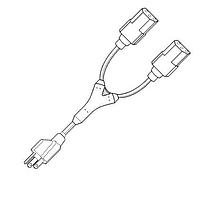
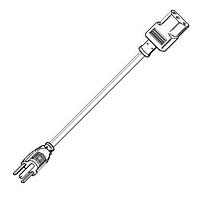
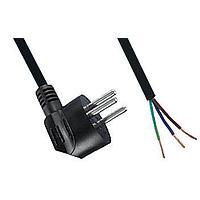
A useful example is the Advantech BB-PWRCORD-US AC Power Cords (1.8m, US plug), which illustrates a straightforward sourcing need: a region-specific AC cord for equipment that must be connected quickly and reliably in US installations. For many industrial and embedded hardware setups, this type of product supports practical replacement planning and simplifies rollout where compatible AC inputs are already defined.
Because cord selection is application-specific, buyers should still confirm connector compatibility, site power standards, and installation constraints before ordering. Even a simple item can affect usability, maintenance efficiency, and deployment readiness when sourced at scale.
Manufacturer considerations and sourcing consistency
For B2B teams, manufacturer selection often comes down to consistency, availability, and fit within an existing equipment base. Brands such as Advantech, 3M, Amphenol, Belden, and Eaton are relevant names in the broader electrical and connectivity landscape, and they may appear in projects where dependable power connection components are part of a larger system architecture.
When reviewing options, it is often useful to align the cord source with the equipment brand or with internal procurement standards. This can help streamline documentation, replacement processes, and maintenance workflows, especially when multiple teams are responsible for installation, operations, and after-sales support.
How to evaluate fit before purchase
A practical buying checklist starts with four points: equipment-side inlet compatibility, wall-side plug standard, cord length, and intended operating context. From there, procurement teams can refine choices based on how the cable will be stored, routed, and replaced over time. This is especially relevant in industrial settings where service access and uptime matter.
If the application is part of a wider electrical design, it may also help to review adjacent categories such as EMobility solutions or other power-related components that influence cable management and power distribution strategy. Looking at the full ecosystem can reduce ordering mistakes and improve long-term maintainability.
Why this category matters in routine operations
Power cords are often treated as low-complexity items, yet they directly affect installation readiness and equipment availability. Missing or mismatched cords can delay commissioning, complicate field service, and create unnecessary exceptions in inventory management. In that sense, they play an important role in keeping operations predictable.
For OEMs, system integrators, maintenance teams, and industrial buyers, a well-organized AC power connection category makes it easier to standardize common parts and support equipment throughout its lifecycle. That includes initial deployment, spare stocking, and replacement during service events.
Final considerations
Choosing the right power cord is ultimately about compatibility, installation practicality, and dependable day-to-day use. Even for a simple component, careful selection helps support safer connections, smoother maintenance, and better purchasing consistency across equipment fleets.
If you are comparing options in this category, start with the equipment interface and site requirements, then narrow the choice by length, plug format, and sourcing preference. That approach is usually the most effective way to match the cord to the real operating environment rather than treating it as a generic accessory.
Get exclusive volume discounts, bulk pricing updates, and new product alerts delivered directly to your inbox.
By subscribing, you agree to our Terms of Service and Privacy Policy.
Direct access to our certified experts