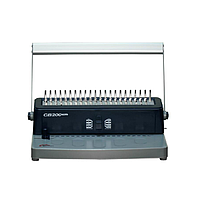
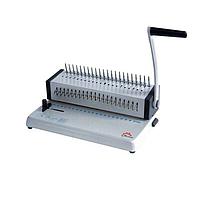
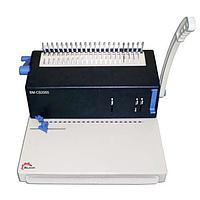
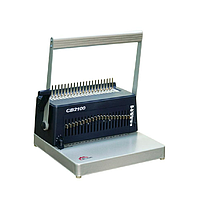
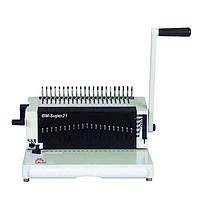
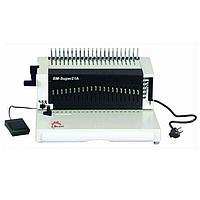
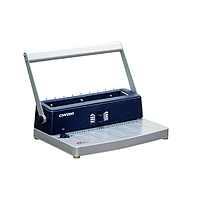
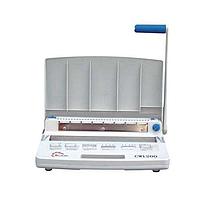
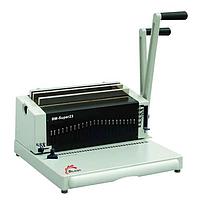
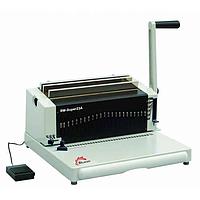
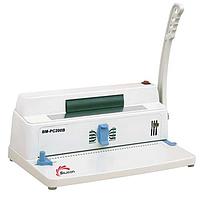
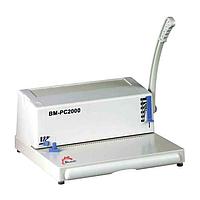
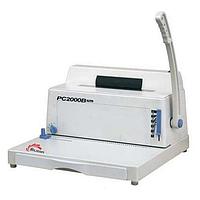
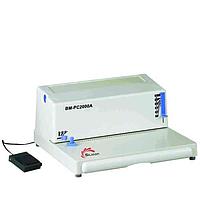
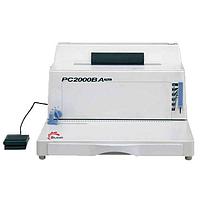
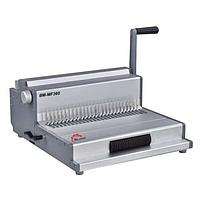
Bookbinding Machine
Cleanly bound reports, training manuals, proposals, and presentation documents still matter in many offices, schools, copy centers, and administrative environments. When printed materials need to be organized for repeated handling, a Bookbinding Machine helps create a more professional finish while keeping pages secure and easy to review.
In this category, you can find binding equipment designed for different binding styles, paper capacities, and daily workloads. The range is suitable for users who need anything from compact manual binding for small batches to electric systems for more frequent document production.
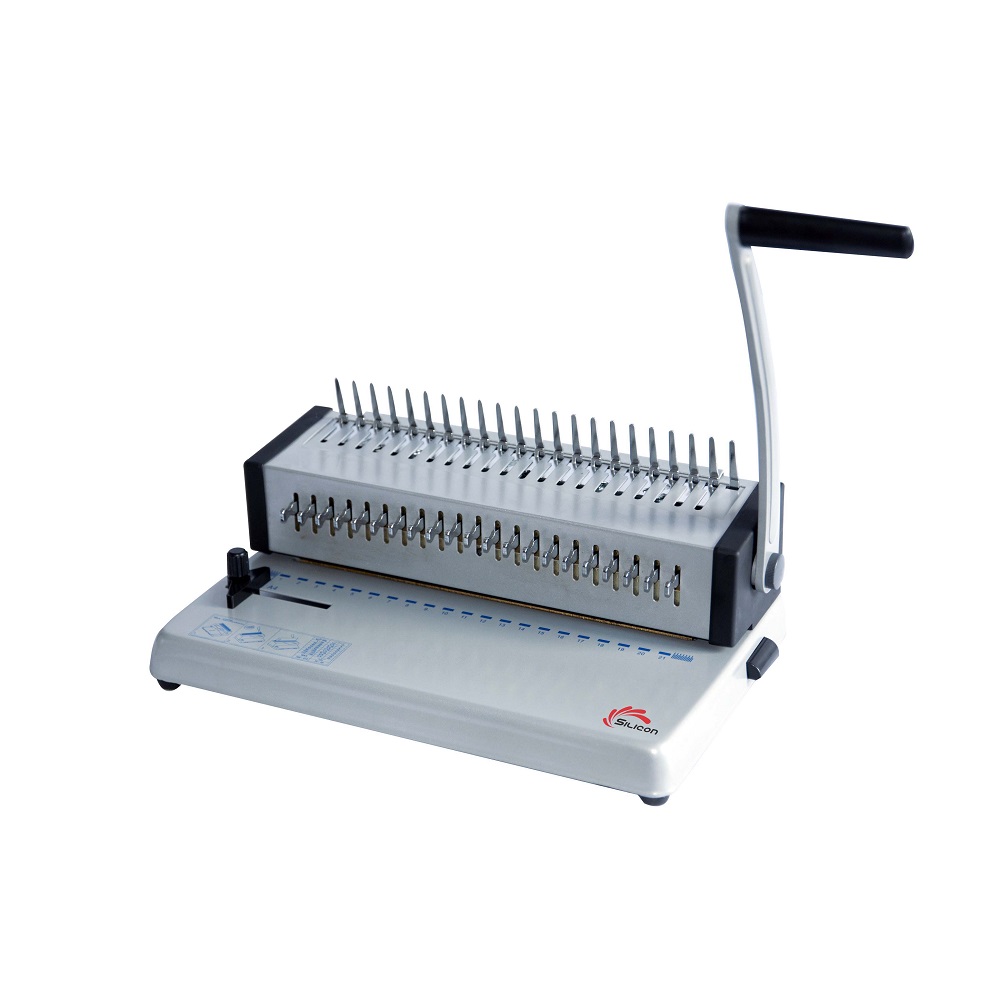
Where bookbinding machines are commonly used
Binding machines are widely used in offices, educational institutions, print rooms, legal and accounting departments, and service businesses that regularly prepare structured paper documents. Common applications include contracts, internal reports, handbooks, technical documentation, study materials, and customer presentation sets.
Compared with loose sheets or simple stapling, a bound document is easier to store, distribute, and review. For organizations that also handle broader document finishing tasks, related equipment such as a banding machine may be useful for grouping completed document sets for storage or delivery.
Main binding styles in this category
One of the most important selection points is the binding format. This category includes machines designed for plastic comb binding, wire or zinc binding, and combination models that support more than one format. Each option suits a different type of document and presentation need.
Plastic comb binding is often chosen for reports and office documents because it allows pages to open easily and can support relatively thick document sets. Wire or zinc binding is typically preferred when a neater, more presentation-oriented finish is required. Combination machines offer more flexibility for users who need to handle varying document types without maintaining separate systems.
Manual or electric operation: choosing based on workload
Another practical consideration is whether to choose a manual binding system or an electric one. Manual machines are usually appropriate for lower-volume use, occasional document preparation, or workspaces that want a simple and compact solution. They can be a good fit for departments that bind documents periodically rather than continuously.
Electric models are more suitable when punching and binding need to be done more frequently. They can help improve workflow consistency, reduce operator effort, and support faster handling of repeated jobs. In environments where document finishing is part of daily operations, electric units may provide a better balance between speed and convenience.
Representative models from DSB
This category prominently features equipment from DSB, with several models covering different operating styles and binding requirements. For example, the DSB CI-120E Bookbinding Machine is positioned around spiral plastic spring binding with electric punching and binding support, making it relevant for users who need straightforward handling of comb-bound documents.
The DSB CC-320 Bookbinding Machine is useful for users looking for broader format flexibility, as it supports both round-hole and square-hole plastic spring binding. For plastic binding applications with higher sheet capacity, models such as the DSB CB-3000 Bookbinding Machine and DSB CB-240M Paper Binding Machine illustrate options for larger document sets.
Where wire-style finishing is preferred, the DSB WR-200E Bookbinding Machine and DSB WR-200 Bookbinding Machine represent electric and manual approaches for zinc spring binding. Combination machines such as the DSB CW-4500 Bookbinding Machine and DSB CW-150E Bookbinding Machine are also relevant for users who need to switch between plastic and zinc spring formats within one workflow.
What to compare before selecting a machine
A good purchasing decision usually starts with the actual document profile rather than the machine alone. Consider how many sheets are punched per cycle, the maximum document thickness to be bound, and the binding element sizes the machine supports. These points affect not only throughput but also the final appearance and ease of use.
It is also worth checking whether the machine includes features such as alignment adjustment or back margin adjustment, especially when document presentation matters. For offices that work with both A4 and letter-size documents, paper format compatibility can also be an important factor. Weight and overall machine dimensions may matter if the equipment will be placed on a shared desk or moved between workstations.
Matching the machine to the working environment
Small offices, schools, and administrative teams often benefit from compact manual units that are easy to operate and store. Models such as the DSB ANYBIND Bookbinding Machine or DSB WR-150 Bookbinding Machine may be more appropriate where document volumes are moderate and binding is done in shorter runs.
By contrast, central admin departments, print corners, and service counters that prepare many bound documents each week may be better served by electric equipment with stronger punching performance and broader binding capacity. If document handling is part of a wider office workflow, it may also be worth reviewing related categories such as office supplies for covers, consumables, and other finishing materials.
Why binding capacity and hole pattern matter
Users often focus first on whether a machine is manual or electric, but the hole pattern and supported binding size are just as important. A machine built for rectangular holes and plastic combs will suit a different document style than one designed for square-hole wire binding. Selecting the wrong format can limit consumable compatibility and affect the final result.
Binding capacity matters for both function and presentation. A machine intended for smaller reports may not be ideal for thick manuals, while a larger-capacity unit can be unnecessary for occasional light-duty use. Choosing based on real document thickness and expected output volume helps avoid overspending while improving day-to-day usability.
Supporting a more organized document workflow
Bookbinding machines are part of a broader document preparation process that may include printing, sorting, bundling, and secure handling. In some business environments, specialized equipment such as a currency binding machine is used for other types of paper handling tasks, but document binding equipment remains the practical choice when the goal is to produce readable, presentable, and durable multi-page materials.
Whether the requirement is basic office reporting or more regular production of manuals and presentation packs, the right machine depends on binding type, daily workload, and expected document thickness. Reviewing the available DSB models in this category can help narrow the selection to a machine that fits your operating style and document finishing needs.
Get exclusive volume discounts, bulk pricing updates, and new product alerts delivered directly to your inbox.
By subscribing, you agree to our Terms of Service and Privacy Policy.
Direct access to our certified experts