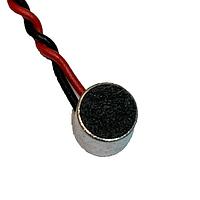
Audio Sensors
Reliable sound detection is important in far more applications than voice products alone. From industrial monitoring and smart building interfaces to embedded edge devices and portable electronics, the right sensing element helps capture acoustic events accurately while fitting the electrical, mechanical, and environmental constraints of the design.
Audio Sensors in this category support projects that need to detect, measure, or process sound as part of a larger electronic system. Depending on the use case, engineers may be looking for compact microphone elements, MEMS-based devices for board-level integration, or sensor components that work alongside other sensing technologies for context-aware systems.
Where audio sensors fit in modern electronic design
Audio sensing is often part of a broader embedded system rather than a standalone function. In connected products, sound can be used for voice input, event detection, machine condition cues, user interaction, or ambient monitoring. This makes audio components relevant across consumer devices, industrial equipment, building controls, and smart edge nodes.
Compared with many other sensing categories, audio devices must balance several design considerations at once: signal quality, form factor, power consumption, mounting style, and integration with downstream processing. In practical terms, selecting an audio sensor usually means thinking beyond the transducer itself and considering the full signal chain, including amplification, filtering, conversion, and digital interface requirements.
Common device types in the category
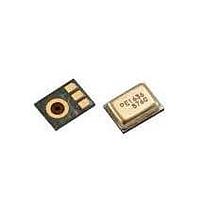
This category generally covers components used to convert acoustic energy into an electrical output suitable for measurement or processing. For many board-level designs, MEMS microphones are a common choice because they are compact, repeatable, and well suited to automated assembly. They are often preferred in space-constrained products and designs that require consistent performance across high production volumes.
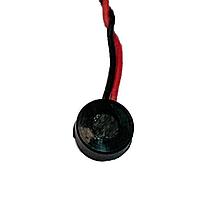
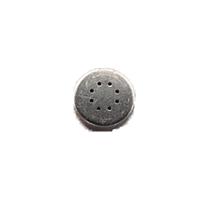
Traditional microphone formats also remain relevant where package style, acoustic structure, or application-specific integration matters. The best fit depends on whether the design prioritizes miniaturization, sensitivity, interface simplicity, environmental robustness, or ease of implementation. Teams evaluating broader sensing architectures may also compare sound inputs with environmental sensors to build systems that respond to both acoustic and ambient conditions.
Selection factors that matter in real projects
When comparing options, engineers usually start with the intended signal and operating environment. An audio sensor used for speech capture may have different priorities than one used for impact detection, noise monitoring, or presence awareness. Sensitivity, noise behavior, directional characteristics, supply requirements, and output format all affect how well the device will fit the target application.
Mechanical integration is equally important. Board space, port orientation, enclosure acoustics, sealing strategy, and proximity to vibration sources can all influence real-world performance. In compact products, designers also need to evaluate how the audio path interacts with nearby electronics and whether the chosen component can be integrated cleanly into the PCB and housing without compromising acoustic access.
Integration with the wider sensor ecosystem
Audio sensing becomes more useful when combined with other inputs. A system may use sound as a trigger, then correlate that event with temperature, pressure, motion, or airflow data to improve accuracy and reduce false positives. For example, an embedded monitoring node might pair audio inputs with board mount temperature sensors for thermal context, or use data from flow sensors & pitot tubes in equipment where airflow and acoustic behavior are related.
This multi-sensor approach is increasingly common in industrial and IoT systems. Instead of relying on one signal alone, designers can use sensor fusion to distinguish normal background conditions from meaningful events. That makes the choice of audio component part of a larger system decision, especially in products with local intelligence or edge analytics.
Leading manufacturers available in this category
Component choice is often influenced by interface preferences, platform compatibility, and long-term sourcing strategy. This category includes well-known manufacturers such as Analog Devices, Infineon, Knowles, PANASONIC, STMicroelectronics, TDK InvenSense, TE Connectivity, Cirrus Logic, CHERRY, and Advantech. Each may align differently with design priorities such as compact packaging, embedded integration, or signal-processing ecosystems.
For teams already standardizing on a specific semiconductor or sensing platform, manufacturer familiarity can simplify development and qualification. It can also help when selecting companion devices from related sensing families, such as board mount pressure sensors or other board-level components used in the same product architecture.
Typical applications for audio sensing
In practice, audio sensors are used in a wide range of products: voice-enabled interfaces, occupancy-aware systems, handheld devices, conferencing hardware, smart appliances, access equipment, and embedded industrial nodes. In some systems, the goal is intelligible sound capture; in others, it is simply to detect a threshold event such as a knock, alarm tone, abnormal noise, or acoustic signature from nearby equipment.
They are also relevant in designs where sound provides useful context rather than primary data. An edge device may monitor an environment continuously and use audio as one of several triggers for local processing or remote alerts. This is especially valuable when low-latency event detection is needed without relying on manual intervention.
How to narrow down the right option
A practical way to evaluate this category is to start with the application requirement instead of the package alone. Define whether the design needs voice capture, general acoustic detection, ambient sound awareness, or machine-noise monitoring. Then review interface needs, assembly method, available processing resources, and expected operating conditions.
It is also useful to consider future scaling. A prototype may work with a simple audio input, but production designs often require tighter consistency, easier manufacturing, and more predictable acoustic performance across units. Choosing a sensor that fits both the immediate design target and the broader system roadmap can reduce redesign effort later.
Choosing audio sensors with better context
For engineering teams, sourcing audio components is rarely just about finding a microphone footprint that fits. The more effective approach is to evaluate the acoustic function, the surrounding electronics, and the wider sensing environment together. That helps ensure the selected part supports both technical performance and practical integration.
Whether you are building a compact embedded device, an industrial monitoring node, or a smart interface product, this Audio Sensors category provides a focused starting point for comparing component options from established manufacturers. Reviewing the application, integration path, and related sensor needs will make it easier to identify the most suitable device for your design.
Get exclusive volume discounts, bulk pricing updates, and new product alerts delivered directly to your inbox.
By subscribing, you agree to our Terms of Service and Privacy Policy.
Direct access to our certified experts