Hipot tester calibrator
When electrical safety testers are used in production, service, or compliance labs, their readings need to be verified with instruments that can handle high voltage, leakage current, insulation resistance, and timing functions reliably. That is where Hipot tester calibrator equipment becomes important. These devices are designed to support the calibration and verification of AC/DC withstand voltage testers and related electrical safety instruments with a more controlled and traceable workflow.
For teams working with routine inspection, incoming quality control, or maintenance of safety test systems, this category focuses on practical calibration tools rather than general-purpose test instruments. The goal is to help users compare tester output, check key measurement points, and evaluate whether the instrument under test remains suitable for daily operation.
Where this category fits in electrical safety calibration
Hipot testing is commonly used to verify insulation integrity and dielectric strength in electrical products, cables, assemblies, and industrial equipment. Because these tests involve elevated voltage and current measurement under controlled conditions, the calibration side also requires instruments built for that environment. A calibrator in this category is intended to check whether a hipot tester indicates voltage, current, time, and related parameters within acceptable limits.
Compared with broader multifunction calibrator platforms, hipot tester calibrators are focused on electrical safety verification tasks. That specialization makes them relevant for manufacturers of electrical appliances, medical equipment service providers, test laboratories, and maintenance teams responsible for periodic checks of safety testers.
Typical functions covered by hipot tester calibrators
A practical calibrator for this application may combine several measurement and simulation capabilities in one unit. Common areas include AC/DC high-voltage measurement, leakage or output current measurement, withstand voltage verification, insulation resistance-related checks, and timing evaluation. Some models also support additional parameters such as frequency, ripple, or harmonic-related assessment to give a more complete picture of tester behavior.
This integrated approach is useful because many electrical safety testers are evaluated across multiple functions during calibration. Instead of using separate instruments for voltage, current, and resistive loading, users can streamline the process with equipment designed specifically for hipot and safety tester verification.
Representative products in this category
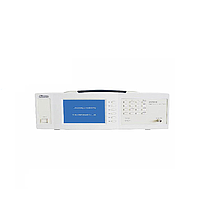
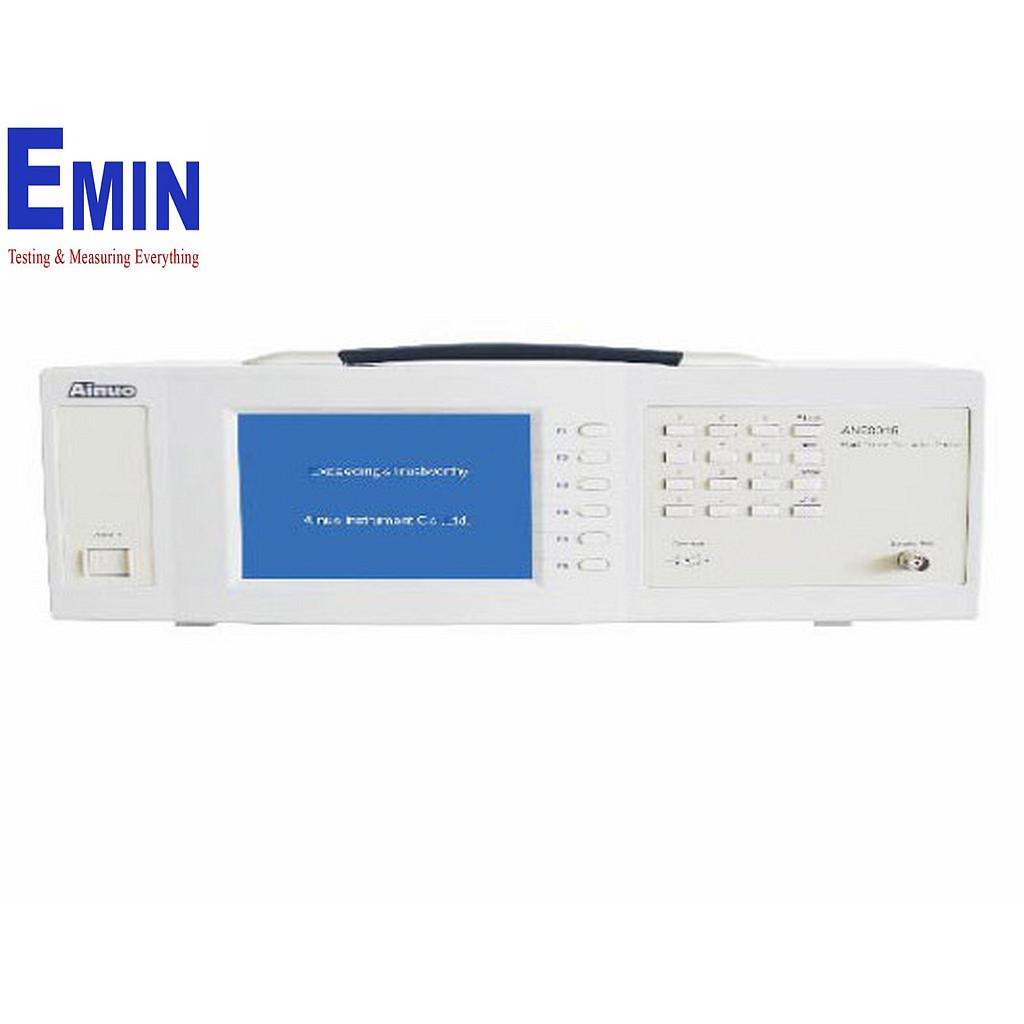
Ainuo is the key manufacturer represented here, with several models suited to different electrical safety calibration tasks. The Ainuo AN16015H(F) Withstand Voltage Calibrator is positioned for AC/DC withstand voltage and insulation resistance-related measurement needs, while also integrating voltage, current, timing, and load features in a single platform.
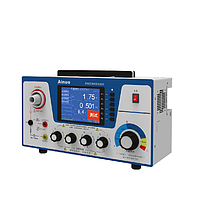
For broader safety test verification, the Ainuo AN965-15(F) Electrical Safety Comprehensive Calibrator is relevant when the workflow extends beyond a single hipot function. The Ainuo AN20015(F) C/DC Hipot tester calibrator focuses on AC/DC voltage and current measurement for tester verification, including distortion and ripple-related checks. In applications involving protective earth testing, the Ainuo AN20160(F) Ground Bond Resistance tester calibrator supports low-resistance and current-based calibration tasks that are closely connected to electrical safety inspection.
How to choose the right model
The best fit usually depends on the type of tester you need to verify and the parameters that matter in your process. Start with the tester’s operating range: if your work involves high-voltage AC/DC output checks up to the kilovolt level, make sure the calibrator covers the required measurement span with suitable resolution and accuracy. If your procedure also includes leakage current or timing verification, those functions should be available within the same unit or within your calibration setup.
It is also useful to consider whether you need a calibrator with built-in load capability. In electrical safety calibration, load simulation can help evaluate tester behavior under more realistic conditions rather than open-circuit indication alone. If your workflow includes ground bond testing in addition to dielectric strength testing, a dedicated solution such as the AN20160(F) may be more appropriate than relying only on a high-voltage calibrator.
Interface requirements can matter as well, especially for labs that record results digitally or follow repeatable service procedures. Even when two instruments appear similar on basic range, the right choice may come down to the combination of functions that reduces setup time and supports your internal calibration routine.
Common application scenarios
These calibrators are often used in production environments where electrical safety testers are part of final inspection. In that setting, a stable verification routine helps reduce the risk of false pass or false fail decisions caused by drift in the tester itself. They are also relevant in service centers that maintain portable appliance testers, hipot testers, and safety analyzers used across multiple sites.
Another common use case is in internal metrology or quality departments that maintain a schedule for periodic verification. A dedicated hipot tester calibrator can support faster setup and more consistent results than building a process from unrelated instruments. Where a facility also maintains other calibration capabilities, related categories such as pressure calibrator systems or temperature calibrators may form part of a broader calibration program, but they serve very different measurement domains.
What matters in day-to-day use
In practice, users usually care about more than headline range and accuracy. A good calibration workflow also depends on readability, stable indication, practical connection methods, and a design that supports repeated verification without unnecessary complexity. For high-voltage applications, clear operating procedure and suitable loading behavior are especially important because they affect both result quality and safe handling.
It is also worth looking at the match between the calibrator and the instruments already used in your lab or production line. A model that aligns well with your current test portfolio can simplify technician training, reduce setup changes, and make periodic verification easier to document. In this category, the emphasis is on instruments that support electrical safety tester calibration rather than general measurement alone.
Choosing with a broader calibration strategy in mind
If your organization maintains several types of test equipment, it helps to view hipot calibration as one part of a larger quality system. Some users may need a dedicated electrical safety solution alongside more general radiation meter calibration equipment or other specialized calibration categories, depending on the industry. The important point is to select tools that fit the actual instruments under your responsibility rather than overextending one device into tasks it was not designed to cover.
This category is therefore most useful for buyers who need targeted support for dielectric strength, leakage current, insulation-related checks, and associated timing or load verification. By focusing on the actual calibration task, it becomes easier to compare models, define procedures, and build a more dependable maintenance schedule for electrical safety test equipment.
Final considerations
For companies that rely on hipot and related safety testers, choosing the right calibrator is mainly about measurement scope, workflow fit, and the level of control needed during verification. A dedicated solution can help standardize routine checks, support maintenance planning, and improve confidence in tester performance over time.
Explore the available models in this category based on the functions you need most, whether that is high-voltage verification, current measurement, timing checks, or ground bond calibration. A focused selection process will usually lead to a more efficient setup and more consistent results in electrical safety testing.
Get exclusive volume discounts, bulk pricing updates, and new product alerts delivered directly to your inbox.
By subscribing, you agree to our Terms of Service and Privacy Policy.
Direct access to our certified experts