UPF test reports help textile businesses evaluate how a fabric performs against ultraviolet radiation. Rather than relying on a single figure, an effective review considers three connected measurements: UVA transmittance, UVB transmittance, and the UPF value. Together, these data points provide a clearer basis for product development, quality control, and UV-protection claims.
The three core measurements in UPF test reports
A UPF report presents quantitative information about the amount of ultraviolet radiation transmitted through a textile. Each measurement has a distinct purpose, so reading them together is important.
UVA transmittance
UVA is long-wave ultraviolet radiation. It can penetrate more deeply into the skin and is associated in the source material with photoaging and pigmentation. UVA transmittance expresses the proportion of UVA that passes through the fabric.
Lower UVA transmittance indicates that less UVA is transmitted through the material. This measurement is therefore useful when assessing whether a textile provides protection beyond surface-level sun exposure. When reviewing a report, compare the recorded UVA transmittance with the applicable requirements for the selected test standard rather than judging performance from UPF alone.
UVB transmittance
UVB is medium-wave ultraviolet radiation that acts mainly at the skin surface. The source material identifies it as a primary contributor to sunburn, redness, and peeling. UVB transmittance measures the proportion of UVB that passes through the fabric.
As with UVA, a lower UVB transmittance means the fabric is transmitting less of that radiation. This can be particularly relevant for textiles intended for outdoor use or high-UV conditions. However, the result should be interpreted as part of the complete report, not as an isolated pass-or-fail indicator.
UPF value
UPF, or Ultraviolet Protection Factor, is the report’s summary measure of overall ultraviolet protection. It is calculated from UVA and UVB transmittance and represents the fabric’s combined performance against ultraviolet radiation.
In general, a higher UPF value indicates stronger overall UV blocking performance. It is often the most recognizable number on a report, but it does not replace a review of individual transmittance measurements. Fabrics with similar UPF values may still show different balances between UVA and UVB protection.
Why all three results should be reviewed together
UPF test reports are most useful when their underlying relationships are understood. UVA and UVB transmittance contribute to the UPF calculation, but a favorable UPF number does not provide a complete picture by itself. The source material notes that UV-protective textile standards may require both an appropriate UPF grade and compliance with a UVA transmittance limit.
For this reason, a practical report-review process should include the following steps:
- Confirm the test standard identified in the report.
- Review the reported UPF value as the overall performance indicator.
- Check UVA transmittance to understand long-wave UV transmission.
- Check UVB transmittance to understand medium-wave UV transmission.
- Review sample information and environmental conditions recorded for traceability.
This approach helps teams avoid focusing only on a headline UPF result. It also creates a more useful data foundation for comparing fabric constructions, finishing approaches, and production batches.
Consider testing conditions and intended use
Static test results are valuable, but product teams may also need to understand how fabric performance changes under conditions related to actual use. The source material identifies post-wash, stretched, and wet states as relevant scenarios for examining changes in UVA and UVB transmittance and UPF.
For example, repeated washing can be used to assess whether results remain stable over time. Stretch testing can show how measurements fluctuate when the material is extended. Wet-state testing can help evaluate performance under humid or outdoor-use conditions. These comparisons support a broader evaluation than a single initial measurement.
Using UPF data in quality control
For manufacturers and textile developers, UPF test reports can guide more than final product verification. Consistent data collection supports comparisons among batches and process changes, helping teams identify trends before they become larger quality issues.
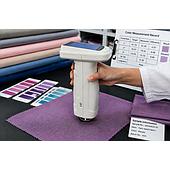
When testing is performed internally, a structured record of sample details, test conditions, and measured values can support faster review during development and production. If a result does not meet the relevant requirement, the report provides specific information for investigating the fabric process and retesting an adjusted sample.
UPF testing with CHN SPEC equipment
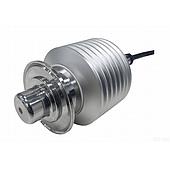
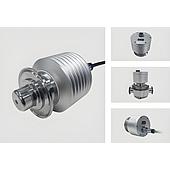
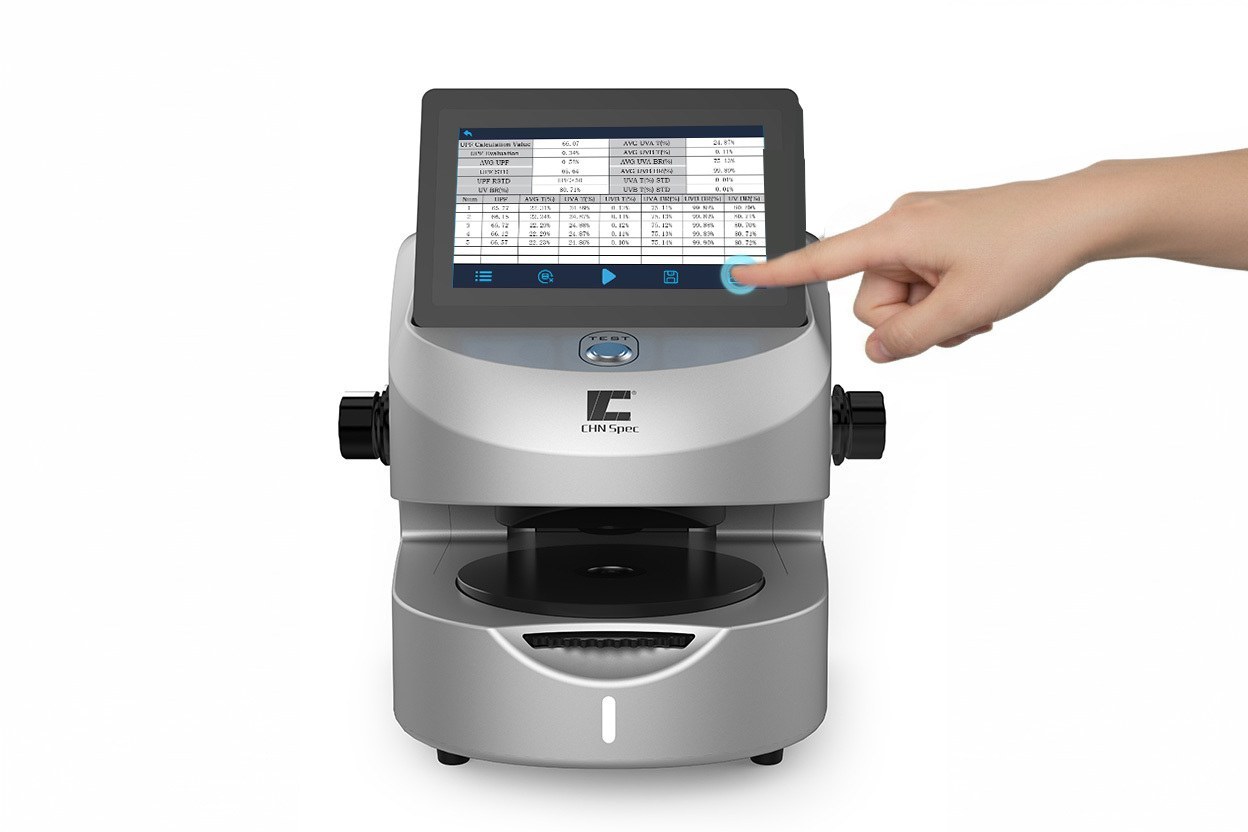
The source material describes the CHN SPEC UPF Analyzer, including the UPF-660 Series, as equipment designed to measure UVA transmittance, UVB transmittance, and UPF value. It also states that reports can include test standards, environmental conditions, and sample information.
According to the provided information, the analyzer supports testing related to post-wash, stretched, and wet conditions, as well as data export and storage. These capabilities can help organizations organize results for batch comparison, process analysis, and ongoing UV-protection quality monitoring.
Key takeaway
A well-interpreted UPF test report looks beyond one number. Review the UPF value alongside UVA and UVB transmittance, then consider the named test standard, sample details, and relevant use conditions. This complete view gives textile teams a stronger basis for evaluating UV-protection performance and making informed development and quality-control decisions.