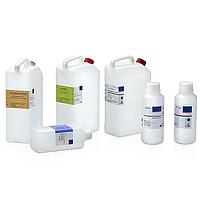
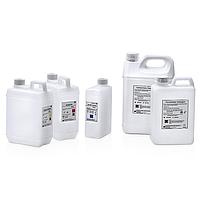
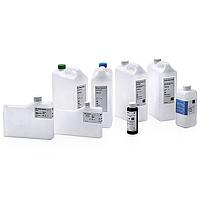
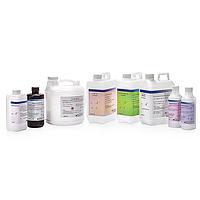
Laundry, Clean Chemicals
Reliable measurements and clean laboratory workflows often depend on something very simple: using the right cleaning chemical for the right contamination. In liquid testing, electrode surfaces, cuvettes, sampling accessories, and work areas can gradually accumulate oils, soil residues, humus, grease, or general deposits that affect accuracy and day-to-day handling. Choosing appropriate Laundry, Clean Chemicals helps maintain instruments, support repeatable results, and reduce unnecessary sensor replacement.
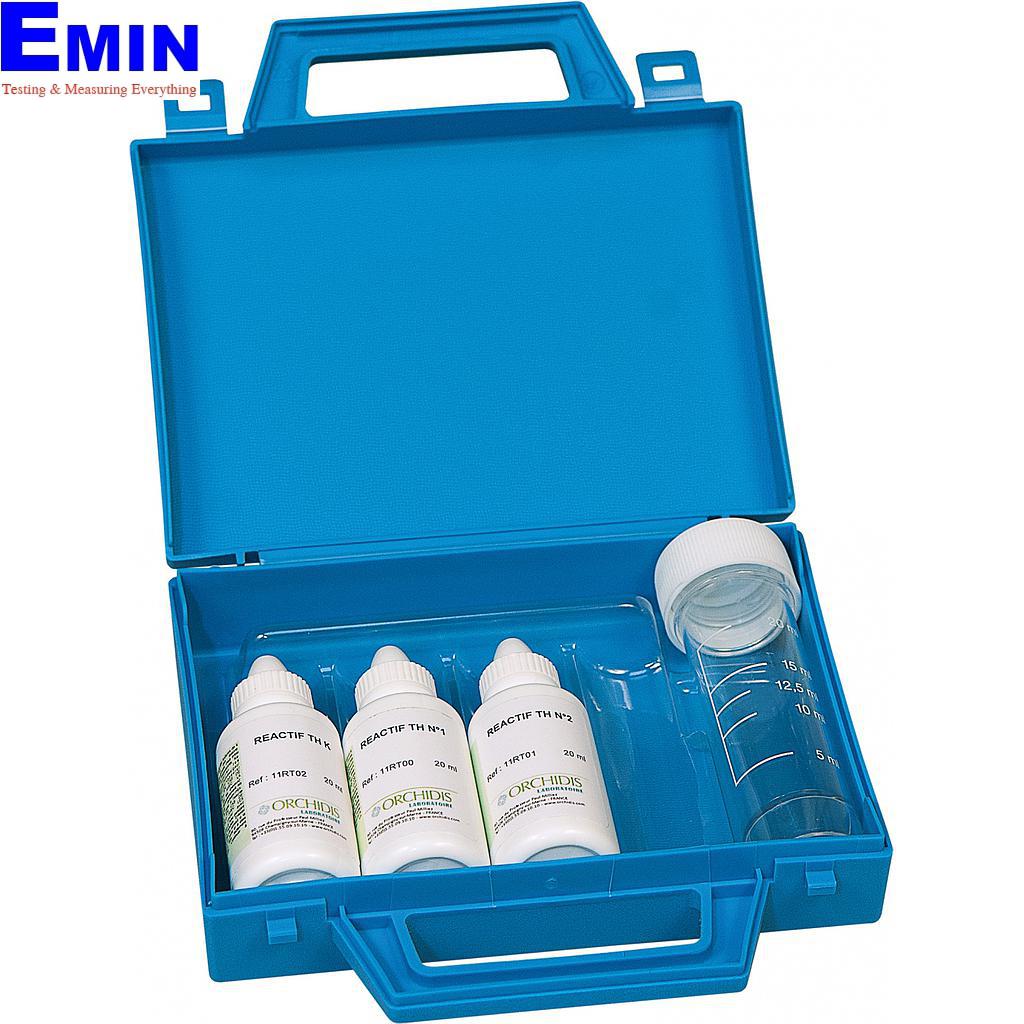
Why cleaning chemicals matter in liquid testing
In many testing environments, contamination is not always obvious. A pH electrode may still respond, a cuvette may still look usable, or a probe may appear intact, but residues left on measurement surfaces can change response time, create unstable readings, or introduce cross-contamination between samples.
That is why cleaning solutions are not just routine consumables. They are part of the measurement system itself. Whether the application involves water analysis, agricultural samples, oils and fats, or general lab handling, suitable cleaning products support better maintenance practices and help preserve sensitive components.
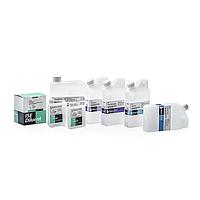
Typical products found in this category
This category covers a practical range of chemicals used for cleaning electrodes, cuvettes, and related testing accessories. Many of the featured products are designed for analytical instruments and sample-contact surfaces rather than for broad industrial washdown, so matching the chemical to the residue type is important.
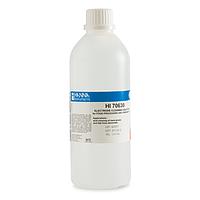
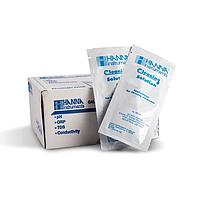
Examples include general-purpose options such as HANNA HI7061L General Purpose Cleaning Solution and HANNA HI700601P sachets for convenient single-use handling. For photometric workflows, HANNA HI93703-50 Cuvette Cleaning Solution is relevant where optical cleanliness directly affects reading quality. The category also includes application-specific products for deposits linked to soil, humus, and oily samples.
Application-specific cleaning for electrodes and sample residues
Not all contamination behaves the same way. Soil and agricultural samples can leave stubborn mineral and organic deposits, while fats, oils, and grease can coat the sensing area and slow electrode performance. Using a specialized chemical can be more effective than relying on a single universal cleaner for every task.
For agriculture-related testing, products such as HANNA HI70663L Cleaning Solution for Soil Deposits and Hanna HI700663P sachets are intended for residues associated with soil samples. Where humus is the main source of fouling, HANNA HI70664L and HANNA HI700664P provide a more targeted maintenance approach. In oily applications, HANNA HI7077L Electrode Cleaning Solution for Oil and Fats and Hanna HI70630L Grease and Fats Acid Cleaning Solution are suitable examples of cleaners selected around sample chemistry rather than convenience alone.
If your workflow also involves sensors and probes used in broader analytical tasks, it can be useful to review related accessories such as ion measurement electrodes to ensure the cleaning routine matches the electrode type and application conditions.
General cleaning, disinfection, and laboratory support chemicals
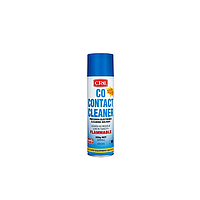
Some maintenance tasks require more than residue removal. In shared lab spaces, sample preparation areas, or routine instrument handling, teams may also need disinfection or general surface cleaning support. Products like HANNA HI70641L Cleaning & Disinfection Solution can fit this type of requirement when the goal is both cleaning and hygienic maintenance of equipment-contact areas.
For broader laboratory cleaning support, Deconlab D905E Detergent represents another type of cleaning chemical used in technical environments. Antiseptic products such as Daihan medical DM.Ant4005 may also be relevant in workflows where personnel hygiene and clean handling procedures matter alongside instrument care. These products serve different purposes, so users should distinguish clearly between electrode cleaners, detergents, and antiseptic solutions before purchasing.
Where brand preference or existing laboratory standardization matters, you can also explore the wider HANNA product range for compatible consumables and maintenance items.
How to choose the right cleaning chemical
The first selection factor is the type of residue. General-purpose solutions are suitable for routine maintenance and light contamination, but specialized fouling often requires a dedicated formulation. Oil and fat residues, for example, behave differently from soil or humus deposits, and optical cells such as cuvettes need cleaning products that support clear light transmission without introducing new films.
The second factor is packaging and usage pattern. Bottled solutions are practical for regular bench use, while sachets can be useful for controlled portions, field work, or minimizing contamination of the remaining stock. A lab that cleans probes after frequent measurements may prefer larger bottles, while mobile technicians may benefit from single-use packets.
The third factor is compatibility with the maintenance process. In many cases, the right approach is soaking and gentle agitation rather than aggressive scrubbing, especially for delicate sensor surfaces. After cleaning, users should return to the normal maintenance routine for the instrument, including storage and recalibration when required by the application.
Good practices for maintaining measurement quality
Cleaning chemicals work best when they are part of a consistent procedure. Residues are easier to remove when the electrode or accessory is cleaned soon after use rather than after buildup has dried or hardened. This is particularly relevant in agricultural, food-related, and high-organic-load samples where deposits can form quickly.
It is also good practice to separate fresh solution from used solution, avoid contaminating the main bottle, and use the product in line with the intended purpose. For users who handle multiple wet-chemistry consumables, related categories such as other reagents can help complete the workflow with appropriate support chemicals for testing and maintenance.
When a specialized cleaner is better than a universal one
A general cleaner is convenient, but it is not always the most efficient choice. If an electrode shows slow response after measuring oily samples, or if agricultural testing leaves repeat deposits even after rinsing, a specialized product may restore performance more effectively than repeating the same general cleaning step.
This is also true for optical components. Cuvettes used in colorimetric testing benefit from cleaners intended for transparent measurement cells, where residue control affects light path quality. In practical terms, matching the cleaner to the contamination often improves maintenance efficiency and reduces unnecessary troubleshooting elsewhere in the measurement process.
For simple spot checks and supporting analytical routines, some users may also combine cleaning supplies with consumables such as test paper depending on the testing method used in the lab or field.
Choosing with confidence
This category is most useful when viewed as part of a broader maintenance strategy, not just a list of chemicals. General-purpose cleaners, residue-specific electrode solutions, cuvette cleaners, detergents, and antiseptic products each play a different role in keeping testing operations organized and measurement tools in working condition.
By selecting cleaning chemicals according to contamination type, packaging preference, and the sensitivity of the equipment being maintained, buyers can support more stable operation and cleaner day-to-day workflows. If you are comparing options, start with the residue you need to remove and the component you need to protect—those two points usually lead to the right product much faster.
Get exclusive volume discounts, bulk pricing updates, and new product alerts delivered directly to your inbox.
By subscribing, you agree to our Terms of Service and Privacy Policy.
Direct access to our certified experts