
Hydraulic pump
Reliable force in hydraulic systems starts with stable fluid power, and that is why choosing the right hydraulic pump matters in lifting, testing, maintenance, and industrial service work. On this category page, buyers can explore pumps used for pressure generation, hydraulic actuation, and calibration-related applications across a wide range of operating requirements.
From compact manual units for field use to electric pumps for higher-duty tasks, hydraulic pumps are selected based on pressure range, flow behavior, portability, power source, and compatibility with the connected equipment. This makes the category relevant not only for general hydraulic work, but also for workshops, maintenance teams, and users handling pressure test and comparison setups.
How hydraulic pumps are used in practice
A hydraulic pump converts mechanical input into fluid movement that can power or support a hydraulic circuit. In practical terms, the pump creates flow, while pressure is developed when the system encounters resistance from the connected load, valve arrangement, or actuator.
This is why pump selection should always be tied to the actual application. A pump used to drive a hydraulic cylinder for lifting or pressing may be chosen differently from a unit intended for gauge verification, comparison testing, or sample ejection. Even when two pumps have similar pressure ratings, differences in reservoir size, flow stage, connection type, and portability can affect day-to-day usability.
Manual, electric, and test-oriented pump options
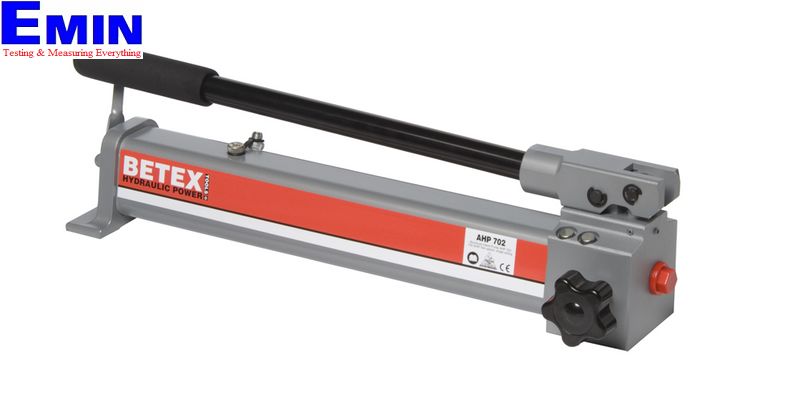
Within this category, buyers may encounter several functional groups. Hand pumps are commonly used when mobility, simplicity, and controlled pressure generation are important. They are suitable for maintenance tasks, on-site service, and lower-volume work where electrical supply is not always available.
Examples include the Nagman HHP400 Hand Pump, which is positioned for compact high-pressure use, and the JINSAN JHP-2A Hydraulic Type Hand Pump Kit, which combines hand operation with an integrated hose and gauge for field-friendly pressure work. For higher-output applications, electric units such as the JINSAN JMP 2 and JMP 3 support more continuous operation and are often better matched to repetitive industrial tasks.
There is also a more specialized group of test pumps designed for pressure generation in calibration or comparison setups. Models such as the EiUK PGS1000 High Pressure Hydraulic Test Pump and Fluke (Calibration) comparison test pumps are relevant where controlled pressure application and instrument checking are part of the workflow.
Key selection factors before you buy
The first question is usually pressure range. Some applications only need moderate hydraulic pressure, while others require several hundred bar or more. For example, portable hand pumps in this category range from a few hundred bar up to 700 bar and beyond, while certain comparison test pumps are intended for very high-pressure verification work.
The second factor is power source. Manual pumps are easier to deploy in the field and can be ideal for lower-frequency use. Electric pumps are better suited when faster cycling, repeatable operation, or higher-volume oil delivery is needed. If the task involves controlled pressure checks rather than powering a working actuator, a dedicated pressure test pump may be the better fit than a standard hydraulic power unit.
Buyers should also look at reservoir capacity, connection ports, compatible media, hose configuration, and whether accessories such as gauges, couplers, seals, or adaptors are included. These details can have a direct impact on installation time and compatibility with the rest of the hydraulic setup.
Typical applications across industry
Hydraulic pumps are used in many maintenance and production environments because they provide a practical way to create force from fluid pressure. In lifting and actuation systems, they are often paired with cylinders, jacks, or related tools that convert hydraulic pressure into linear motion. Users working with lifting tools may also want to review related equipment such as hydraulic spreader and lifting tools when building a broader hydraulic solution.
Another important application area is testing and verification. Pumps such as the Fluke (Calibration) P5515-140M, P5513-20M, and P5510-2M are intended for comparison-style pressure generation in calibration workflows. In these cases, stability, controllability, and suitable port adapters can be just as important as the maximum pressure rating.
There are also niche laboratory and materials-related uses. Samyon TYT-3 Hydraulic Sample Ejector and Samyon 200S Electric Hydraulic Pressure Ejector show how hydraulic power can support specimen removal and demoulding tasks in test preparation environments, where controlled mechanical force is required rather than general lifting.
Examples from leading brands in this category
Several manufacturers represented here cover different use cases rather than one single pump style. JINSAN is relevant for both hand-operated and electric hydraulic pump solutions, making it a practical brand to consider when comparing portable versus workshop-based operation. Nagman and BEGA are useful references for compact hand pump formats, while EiUK and Fluke (Calibration) are more closely associated with pressure test and comparison work.
Samyon stands out where hydraulic force is integrated into sample ejection equipment rather than conventional lifting service. PADA appears in the context of hydraulic pump pressure indication, which is relevant when system pressure needs to be monitored alongside pump operation.
This mix is important from a procurement perspective. Rather than selecting by brand alone, it is usually better to narrow the requirement by application first, then compare suitable models from the most relevant manufacturers.
Why pressure rating is not the only performance metric
High pressure capability often attracts attention first, but it should not be the only decision point. A pump’s working value in the field also depends on how quickly it builds pressure, how much fluid it can move per stroke or per minute, and how comfortably it fits the operating environment.
For example, a compact test pump with a smaller reservoir may be entirely appropriate for instrument verification, while an electric hydraulic pump with a larger tank and stronger motor is more suitable for repeated industrial operation. In the same way, a pump with broad adapter compatibility can reduce setup friction in maintenance departments that handle different thread standards and connection formats.
If your system involves a full hydraulic actuation setup, it can also be useful to review related products in the broader ecosystem, including tower jacks and other load-handling equipment, to ensure the pump matches the real operating load and motion requirements.
Choosing a hydraulic pump with better long-term fit
A well-matched hydraulic pump supports safer operation, smoother setup, and better consistency over time. For many buyers, the practical checklist includes required pressure, expected duty cycle, available power supply, portability, media compatibility, and connection standards. Where testing is involved, controllability and instrument interface can be just as important as raw output.
This category brings together manual pumps, electric pumps, and pressure generation tools for different industrial scenarios. By comparing application type first and product format second, it becomes easier to identify a solution that fits your actual workflow instead of choosing only by headline pressure value.
Whether the need is portable pressure generation, workshop hydraulic power, or comparison testing, this hydraulic pump range provides a solid starting point for selecting equipment that aligns with system demands and operating conditions.
Get exclusive volume discounts, bulk pricing updates, and new product alerts delivered directly to your inbox.
By subscribing, you agree to our Terms of Service and Privacy Policy.
Direct access to our certified experts