Cameras & Camera Modules
Machine vision, embedded imaging, and automated inspection often start with one practical requirement: getting the right image data in the right format for the system around it. This category brings together Cameras & Camera Modules used in industrial automation, sensing, and device integration, covering everything from compact board-level modules to enclosed Ethernet cameras and specialized depth or thermal imaging options.
Whether the application involves presence verification, barcode reading, thermal monitoring, or image capture for an embedded platform, the selection process usually depends on interface, image resolution, frame rate, optical setup, and installation constraints. For buyers comparing options across an automation or OEM project, this category helps narrow down devices that fit both the technical requirement and the deployment environment.
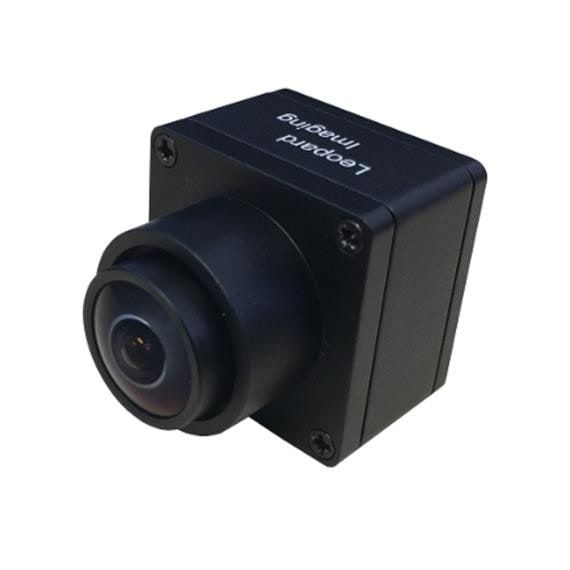
Where cameras and camera modules are used
In industrial and B2B environments, imaging hardware supports a wide range of tasks beyond simple video capture. A camera may be used to confirm product presence on a production line, inspect surfaces, guide handling equipment, record process events, or feed image data into a larger control or analytics platform. In embedded designs, a camera module can also become part of a finished machine, kiosk, smart terminal, or custom sensing device.
This makes the category relevant for integrators, OEMs, machine builders, and engineering teams looking for scalable imaging components. If your project also requires a broader enclosure or machine-vision form factor, it can be useful to compare these options with industrial camera solutions designed for installation in automation systems.
Different device types within the category
Not every imaging product in this category serves the same role. Some parts are camera modules intended for direct integration into a host device, where board space, interface compatibility, and mechanical fit are critical. Others are enclosed cameras intended for easier installation into a production line or equipment cabinet, often with interfaces such as Ethernet for system-level connectivity.
There are also more application-specific devices. For example, thermographic imaging hardware is relevant when temperature visualization is part of maintenance or process monitoring, while depth cameras support distance-aware imaging and 3D perception tasks. Barcode-focused imaging products fit traceability and logistics use cases, showing how this category spans both general-purpose vision hardware and task-specific imaging tools.
Representative products and what they illustrate
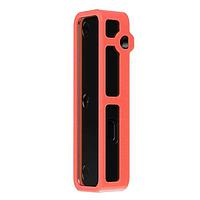
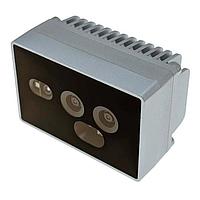
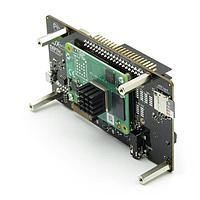
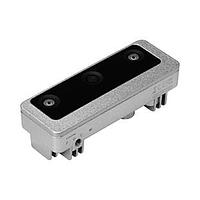
Several products in this category highlight the range of technologies available. The Advantech UCAM-220TT-U11 thermographic smart camera points to applications where heat patterns matter as much as visible-light imaging, such as equipment monitoring or thermal condition checks. Advantech QCAM series models such as the QCAM-GM1600-060DE, QCAM-GM1300-060DE, and QCAM-GC0640-120CE illustrate enclosed camera options with different resolution, color format, and frame-rate characteristics for machine vision and inspection workflows.
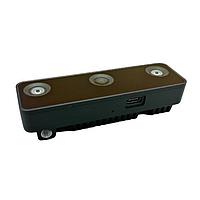
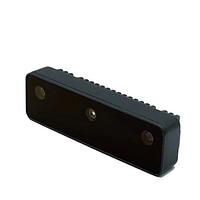
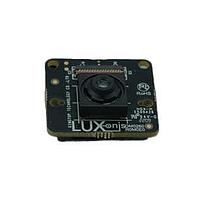
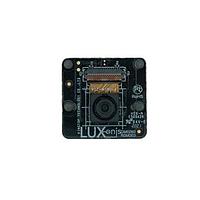
For embedded or compact designs, ams OSRAM NanEye camera modules such as NEC_B&W_SGA_FOV120_F4.0 and NEC_RGB_SGA_FOV120_F4.0 show how miniature imaging can be integrated where space is extremely limited. Intel RealSense Depth Camera D435 represents another class of solution, where depth information is useful for robotics, occupancy sensing, and spatial analysis. Banner Engineering PPROCAM1.3 reflects the role of vision hardware in presence and inspection systems, while the Advanced Energy 73-951-0001T camera demonstrates that some applications require more specialized imaging components tied to a larger equipment ecosystem.
How to evaluate the right option
A practical selection process starts with the image requirement itself. Resolution helps determine how much visual detail can be captured, but it should be evaluated together with frame rate, lighting conditions, working distance, and whether the application needs mono, color, thermal, or depth output. A high-speed process may prioritize frames per second, while a detailed inspection task may depend more on pixel count and optical quality.
The next step is system integration. Buyers should confirm the required interface type, available power, mounting approach, and host compatibility. Some products are better suited for direct embedded integration through board-level interfaces, while others fit industrial networks or controller-based setups more naturally. If lens flexibility is important, especially in machine vision builds, it is also worth reviewing available camera lenses to match field of view and imaging distance to the inspection task.
Considering manufacturers and platform fit
This category includes products from recognized suppliers used across industrial and embedded markets, including Advantech, Advanced Energy, ams OSRAM, Banner Engineering, and Intel. Each of these names appears in different parts of the imaging ecosystem, from integrated thermal and machine vision devices to miniature sensor modules and depth-sensing hardware.
Manufacturer choice often matters less as a branding exercise and more as a platform decision. Teams may prefer one supplier because of interface familiarity, software environment, product continuity, or fit with a broader automation architecture. For instance, a project built around embedded computing may lean toward compact modules, while a line-side inspection station may favor enclosed cameras with simpler deployment and maintenance characteristics.
Supporting components that matter in real deployments
Image quality and system reliability are not determined by the camera alone. Cabling, mounting, environmental protection, and lens selection all affect performance in day-to-day operation. In many installations, the most common issues come from incomplete accessory planning rather than from the imaging hardware itself.
That is why it can be helpful to review related items such as camera accessories when building a complete solution. Accessories may support power and signal connection, mechanical installation, or compatibility with a controller-based vision setup. Planning these elements early can reduce integration delays and improve long-term maintainability.
Common buying scenarios in B2B projects
For OEM and design teams, the usual priority is integration: size, interface, and compatibility with the host platform. In this case, compact camera modules such as those from ams OSRAM or application-specific modules for Advantech platforms can be more relevant than stand-alone cameras. The goal is often to embed imaging into a larger device without adding unnecessary complexity.
For automation and factory users, the priority is often deployment efficiency and inspection performance. Enclosed GigE cameras, smart thermal cameras, or dedicated barcode scanning devices may offer a more practical path because they align with existing control systems, mounting methods, and maintenance workflows. The right product depends less on category labels and more on how the image data will be used in the actual process.
Choosing with the full system in mind
A camera purchase is rarely isolated from the rest of the automation stack. Lighting, optics, controller requirements, processing hardware, software support, and environmental conditions all shape whether a device will perform well in production. Looking at cameras and modules in isolation can lead to overspecification in some areas and missed constraints in others.
For that reason, the best approach is to define the imaging task first, then work backward through interface, mounting, and ecosystem requirements. This category is designed to support that comparison process, helping buyers evaluate compact modules, smart imaging devices, and enclosed cameras in one place so the final selection fits both the application and the broader system architecture.
Get exclusive volume discounts, bulk pricing updates, and new product alerts delivered directly to your inbox.
By subscribing, you agree to our Terms of Service and Privacy Policy.
Direct access to our certified experts