
Motor Controllers
Reliable motor operation depends on more than just the motor itself. In many industrial systems, the controller is the layer that helps start, stop, switch, protect, and coordinate motion according to the needs of the machine or process. That is why choosing the right Motor Controllers category matters for panel builders, maintenance teams, OEMs, and industrial buyers working with pumps, conveyors, fans, and other driven equipment.
This category brings together motor control devices used in practical automation environments, from conventional starters and coils to hybrid motor starter solutions and monitoring-oriented control hardware. Depending on the application, the right controller can support simpler electromechanical control schemes or fit into more compact, integration-focused control panels.
Where motor controllers fit in industrial automation
Motor control is a core function in many production and facility systems. A controller typically manages how power is applied to a motor and how the motor responds during normal operation, switching events, and fault conditions. In real installations, this can include direct control components, starter assemblies, interface modules, or dedicated monitoring elements associated with motor-driven loads.
These products are commonly selected as part of a broader control architecture alongside programmable controllers, operator logic, and protection devices. For applications involving process variables as well as motion-related control, engineers may also combine motor control hardware with solutions such as PID controllers when temperature, flow, or pressure stability affects motor-driven equipment.
Typical product types in this category
The scope of this category is broader than a single device style. Some products are designed as starter-based control solutions, including duplex controller starters used in pump or alternating-duty applications. Others support compact panel design through DIN rail mounting, while some items serve as replacement or configuration components within an existing motor control assembly.
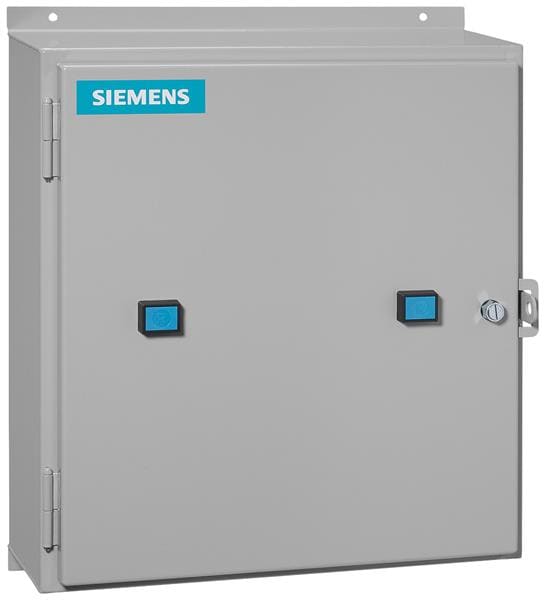
For example, SIEMENS duplex controller starter models such as 83CUB95EF, 83CUC95EJ, and 83CUA95EH illustrate enclosed control approaches for different supply voltages. In a different form factor, PHOENIX CONTACT 2909554 and 2908699 represent hybrid motor starter solutions intended for space-conscious control cabinets. The category also includes supporting control elements such as Eaton coils and specialized hardware like the Omron Automation and Safety 3G8F7-SLK11-E board.
Selection factors that influence controller choice
The right selection usually starts with the application rather than the part number. Buyers often need to evaluate the motor supply voltage, control voltage, mounting method, enclosure expectations, available panel space, and whether the control scheme is primarily analog, digital, or a mix of both. Environmental conditions such as temperature range and ingress considerations can also affect what is appropriate for the job.
Mounting style is another practical filter. Wall-mounted enclosed units may suit standalone field installations or packaged pump systems, while DIN rail devices are often preferred inside modern control cabinets where density and serviceability matter. If the system also involves liquid handling, duty alternation, or pump staging, it may be useful to review related level controller options in parallel with motor control equipment.
Examples from leading industrial brands
This category includes products associated with established automation manufacturers such as SIEMENS, Eaton, Littelfuse, Omron Automation and Safety, PHOENIX CONTACT, and Square D. Each brand may address motor control from a slightly different angle, whether through enclosed starters, modular control parts, hybrid switching technology, or monitoring accessories that support uptime and maintenance planning.
Examples visible in this range include the Littelfuse RM1000, which points to remote monitoring use cases, and the Square D SFD212PG4YB07D07, which reflects a more integrated motor control approach. Eaton coil components such as 9-2876-3, 9-2756-4, and 9-2876-36 are also relevant where maintenance teams need compatible replacement elements within larger control assemblies rather than a complete standalone controller.
Use cases across panels, pumps, and machine systems
Motor controllers appear in a wide variety of industrial settings. Pump systems are a common example, especially where duplex operation is used to alternate equipment, balance wear, or provide basic redundancy. Conveyor sections, fans, material handling equipment, and machine auxiliaries are also frequent use cases, with the control method depending on how much coordination, indication, and protection the system requires.
In panel-building projects, product choice often reflects the balance between wiring simplicity, cabinet footprint, and maintenance accessibility. Compact hybrid designs can help reduce panel space and switching wear in some applications, while enclosed assemblies may be preferred where a more self-contained field-ready solution is needed. In power-sensitive systems, adjacent categories such as power controller products may also be relevant when overall load management is part of the design.
How to compare options more efficiently
A useful way to narrow the range is to compare controllers by installation context first: panel-mounted versus enclosed, new build versus replacement, simple start-stop duty versus coordinated system control. From there, buyers can review the available voltage class, operating temperature range, interface type, and whether the product is intended as a complete control device or as a supporting component within a larger assembly.
It is also worth checking whether the application requires only motor switching or whether it benefits from additional visibility into operating status. Products with monitoring or display-oriented functionality may be better suited for systems where troubleshooting speed matters. By contrast, straightforward replacement parts can be the more practical path when maintaining an installed motor control platform.
Choosing with system compatibility in mind
In B2B purchasing, compatibility is often the deciding factor. Matching the existing control philosophy, panel layout, and maintenance practice can be more important than selecting the newest format. A well-matched controller should fit the electrical design, support the intended switching behavior, and align with service expectations over the life of the equipment.
For that reason, it helps to review both complete motor control devices and the accessory-level components that keep installed systems operating reliably. Whether the requirement is a duplex starter arrangement, a DIN rail hybrid motor starter, a monitoring unit, or a replacement coil, this category is structured to support practical sourcing decisions for industrial motor-driven applications.
Final considerations
When comparing motor control solutions, the most effective approach is to start from the load, the control method, and the installation environment. That makes it easier to distinguish between enclosed starters, compact cabinet-mounted devices, monitoring-related products, and replacement components without overcomplicating the selection process.
This Motor Controllers category is intended to help industrial buyers find products that fit real operating requirements, from routine panel builds to maintenance-driven replacements. If you are evaluating options for a new machine or an existing installation, focusing on voltage compatibility, mounting style, and the role of the device within the wider control system will usually lead to a more reliable shortlist.
Get exclusive volume discounts, bulk pricing updates, and new product alerts delivered directly to your inbox.
By subscribing, you agree to our Terms of Service and Privacy Policy.
Direct access to our certified experts