
Rack Cabinets
When equipment density increases, the cabinet around the hardware becomes just as important as the devices installed inside it. The right enclosure helps protect network, power, and control infrastructure while improving cable routing, service access, and floor-space efficiency. For facilities building out IT rooms, control areas, telecom spaces, or industrial support systems, rack cabinets are a practical foundation for an organized and scalable installation.
This category brings together cabinet and rack solutions used to house active equipment, patching hardware, cable management components, and related infrastructure. Whether the priority is a floor-standing enclosure, a wall-mounted format, or a more open rack arrangement, selecting the right cabinet style affects airflow, maintenance access, and long-term expansion planning.
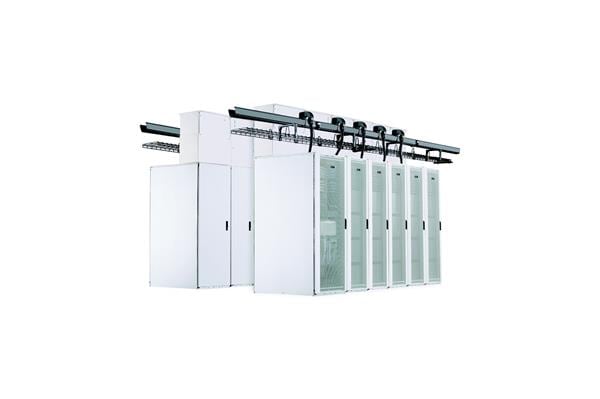
Where rack cabinets fit in industrial and technical environments
Rack cabinets are commonly used in spaces where equipment needs a defined mounting structure and a degree of physical protection. This includes network distribution points, electrical and automation support areas, telecom rooms, and installations where multiple devices must be centralized in a controlled footprint. Compared with a simple open frame, an enclosed cabinet can help improve security, cable containment, and appearance in customer-facing or shared technical spaces.
In many projects, the cabinet is only one part of a wider enclosure strategy. Teams that also need broader housing solutions for control and power systems may compare these products with electrical enclosures or application-specific industrial automation enclosures, depending on the equipment type and site conditions.
Common rack cabinet formats and mounting styles
Not every installation calls for the same cabinet design. Floor-standing cabinets are often selected for higher equipment counts, greater rack unit capacity, and better support for structured cabling. Models such as the Panduit XGL64812W FlexFusion 48RU cabinet and the Panduit XGL84212B 42RU cabinet illustrate how larger enclosures can serve dense deployments while offering front and rear access options suited to ongoing maintenance.
Wall-mounted configurations are useful where floor space is limited or where a smaller group of devices needs to be installed closer to the point of use. Examples in this category include Eaton wall-mounted rack solutions such as the 79903823372 and 79903823341, as well as heavy-duty wall rack options for installations requiring a compact but robust mounting approach. For simpler access or lower enclosure requirements, some projects may also consider open racks or 2-post formats, especially when airflow and accessibility are higher priorities than full cabinet protection.
Key selection criteria for choosing the right cabinet
A good selection process starts with the physical layout: rack units, width, depth, and door configuration all matter. Cabinet height should align with current equipment requirements and leave enough room for future additions. Depth becomes especially important for deeper network or power hardware, while width can affect side cable routing and internal working space.
Material and structural design also influence long-term performance. Many products in this category use steel construction, which is commonly preferred for durability and load support. For example, the Panduit N8522WY N-Type Cabinet offers a deeper cabinet format for installations needing more internal space, while the Hammond Manufacturing H1SSD3152WH provides a higher 52U enclosure profile for sites consolidating more equipment into a single cabinet.
Cable management, access, and serviceability
One of the main reasons to use an enclosed rack system is to create a cleaner and more serviceable installation. Door style, side access, and internal routing space affect how easily technicians can install, label, trace, and replace cables. Split rear doors or hinged front access can be especially helpful in tighter rooms where service clearance is limited.
Rack planning should also account for accessories that support cable organization and mounting efficiency. In many builds, cabinets are paired with related hardware from racks and accessories or supplementary enclosure accessories to improve routing, mounting flexibility, and day-to-day maintenance. These supporting components can make a major difference in keeping the installation neat and scalable over time.
Examples from leading manufacturers in this category
Several established manufacturers support this product area, each serving different enclosure and infrastructure needs. Panduit is well known for cabinet and cable infrastructure solutions, with products such as the FlexFusion and N-Type cabinet families suited to organized network and data-oriented installations. Eaton also appears prominently in this category with wall-mounted racks, open racks, and support structures that can fit telecom, electrical support, and mixed infrastructure environments.
Hammond Manufacturing is another relevant option for projects needing cabinet and rack solutions across different sizes and use cases. The H1SSD3152WH highlights higher-capacity enclosed mounting, while the RCBS1900724LG1 desktop instrument rack points to smaller bench or instrumentation-oriented scenarios where full-height cabinets may not be necessary. Other listed manufacturers such as Corning, HellermannTyton, SIEMENS, Tripp Lite, Weidmuller, Bud Industries, and Lantronix add useful context to the broader ecosystem around infrastructure deployment.
How to match cabinet type to the application
For network distribution and structured cabling, enclosed cabinets are often chosen to support patching, cable segregation, and a more controlled equipment environment. In these applications, planners typically look at rack unit count, cable entry paths, and front-to-rear service access. A larger enclosure can simplify moves, adds, and changes later, especially when growth is expected.
For industrial support spaces, utility rooms, or edge installations, a wall-mounted rack may be enough for switches, panels, and smaller support devices. Where equipment is heavier or easier access is required, an open rack or 2-post rack may be the better fit. The right choice depends on whether the installation prioritizes protection, density, cooling access, cable discipline, or ease of technician access.
Planning for expansion and long-term maintenance
Rack cabinet selection should not be based only on what fits today. Leaving space for future hardware, cable growth, and service clearance helps avoid costly rework later. A cabinet that is too small or too tightly packed can make even routine maintenance more difficult, especially when multiple teams need access over the life of the installation.
It is also worth considering how the cabinet will integrate with surrounding infrastructure, including power distribution, patching, grounding practices, and adjacent enclosure systems. Thoughtful planning at the cabinet stage supports cleaner builds, better documentation, and easier lifecycle management across technical facilities.
Choosing from this rack cabinet range is ultimately about balancing protection, access, capacity, and installation space. By comparing mounting style, enclosure size, and service needs, buyers can narrow the options to a cabinet solution that supports both current equipment requirements and future growth with fewer compromises.
Get exclusive volume discounts, bulk pricing updates, and new product alerts delivered directly to your inbox.
By subscribing, you agree to our Terms of Service and Privacy Policy.
Direct access to our certified experts
