
Audio Indicators
In many machines, control panels, and operator stations, sound is still one of the fastest ways to draw attention to a status change or an abnormal condition. A well-chosen audio indicator helps operators notice alarms, prompts, and machine events without needing to watch a display continuously, which is especially useful in busy industrial environments.
This category brings together audible signaling components used in equipment design, panel integration, and industrial indication systems. Whether the requirement is a simple buzzer for local alerting or an audible device that complements visual signaling, audio indicators play an important role in improving response time and overall usability.
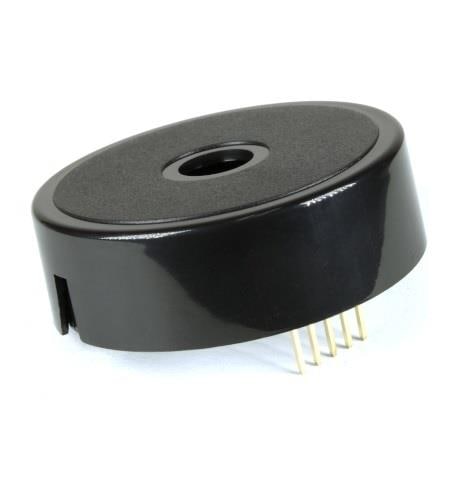
Where audio indicators are commonly used
Audible indication is widely applied in control cabinets, production machinery, access systems, test fixtures, consumer-facing equipment, and building-related devices. In these applications, sound is typically used to confirm an input, warn about an out-of-range condition, or signal a fault that requires operator action.
In practical system design, audio devices are often used together with visual signaling. For example, a buzzer can reinforce a warning generated by a lamp or stack light, helping users react more quickly when they are not looking directly at the panel. If your application also relies on visible alerts, related products such as beacon accessories can help complete the indication setup.
Typical device formats in this category
This range commonly includes buzzers and other compact sound-producing components intended for PCB mounting, equipment integration, or panel-level indication. Selection usually depends on factors such as operating voltage, current consumption, mounting style, audible output, and the environment in which the device will operate.
Through-hole parts remain relevant for many designs because they are straightforward to integrate into established assemblies and control boards. Products such as the CITIZEN CB-12AP-03 and CITIZEN MEB-12C-5 illustrate the kind of compact buzzer solutions often chosen for embedded audio signaling where space, power budget, and simple installation matter.
How to choose the right audio indicator
The first step is to define the purpose of the signal. A short acknowledgment tone for user input has different requirements from a persistent alarm intended to report a machine fault. This affects the preferred sound level, duty cycle, power supply, and whether the device is expected to be mounted on a PCB, in an enclosure, or on a panel.
It is also important to look at the electrical side of the design. Engineers typically check rated voltage, current draw, and interface compatibility with the rest of the circuit. Mechanical constraints matter as well, including height, pin configuration, and available mounting space. In some installations, the audible device is only one part of a broader panel indication system that may also include panel mount indicators for clear local status feedback.
Examples from leading manufacturers
This category includes products associated with recognized component manufacturers used across industrial and electronic design workflows. CITIZEN appears here with buzzer models suited to compact audible indication, while Eaton is represented by the FB/024/R/WP buzzer, which is relevant for applications where dependable signaling components are required in equipment and control environments.
Although some manufacturers in the broader ecosystem are known for sensors, optoelectronics, or other electronic components, the audio indicator category should still be selected based on the actual signaling function needed. The best choice is usually the one that fits the electrical design, installation method, and use case rather than simply following a brand preference.
Design considerations for industrial environments
Industrial applications place different demands on audible signaling than general consumer products. Background noise, operator distance, enclosure design, and machine layout can all affect how easily a sound can be heard. For that reason, engineers often evaluate not just the buzzer itself, but also where it will be mounted and whether the housing may reduce sound output.
Temperature range and long-term operating conditions should also be considered during component selection. A device intended for intermittent user feedback may not be ideal for continuous alarm duty. Thinking in terms of application context rather than only part dimensions helps reduce redesign work later in the project.
Audio indicators within a wider indication system
Audio signaling is rarely isolated in real installations. In many control panels, the sounder is used as part of a layered alarm strategy that combines audible and visual cues, allowing operators to identify both the presence and urgency of a condition. This is especially helpful when multiple machines or process steps are monitored at the same time.
Depending on the panel concept, other indication components may be used alongside buzzers, including neon and incandescent panel indicators or mounting-related parts for panel assemblies. Taking a system-level view helps ensure that the final interface is both noticeable and practical for daily operation.
What buyers and engineers usually compare
When narrowing down options, buyers often compare a few core points: mounting style, supply voltage, current consumption, and the intended signaling role. For OEM design teams, integration effort is often just as important as component cost, especially when the product will be used across multiple revisions or product families.
For maintenance, retrofit, and replacement purchasing, fit and compatibility tend to be the main concerns. Matching the existing electrical design and installation format can be more important than changing to a different device type. Reviewing product details carefully helps avoid issues with board layout, audible performance expectations, or power supply mismatch.
Choosing with more confidence
An effective audio indicator should do one job clearly: make machine or system status easier to notice. In practice, that means selecting a component that matches the environment, the alert priority, and the way the equipment is actually used. Small differences in voltage, mounting, or audible behavior can have a real impact on integration and operator response.
For projects involving industrial panels, equipment interfaces, or electronic assemblies, this category offers a practical starting point for comparing suitable audible signaling components. By focusing on function, installation needs, and overall indication strategy, it becomes much easier to choose an audio device that fits the application without overcomplicating the design.
Get exclusive volume discounts, bulk pricing updates, and new product alerts delivered directly to your inbox.
By subscribing, you agree to our Terms of Service and Privacy Policy.
Direct access to our certified experts
