Hygiene Products Testing Equipment
Reliable quality control in tissue, pulp, and hygiene-product manufacturing depends on more than visual inspection. Physical properties such as thickness, softness, burst resistance, fiber loss, and drying performance all affect how a finished product performs in real use and how consistently it can be produced at scale. That is why many laboratories and production environments use Hygiene Products Testing Equipment to standardize evaluation, reduce variation, and support process improvement.
Supporting quality control across tissue and hygiene production
This category is relevant for manufacturers and labs working with tissue-related materials, pulp samples, and finished hygiene products that require measurable performance checks. Instead of relying on a single instrument, testing often involves a set of complementary devices that examine different material behaviors under controlled conditions.
In practice, these instruments help teams compare incoming raw material quality, verify production stability, and document product characteristics for internal standards or customer requirements. They are also useful when troubleshooting process changes, whether the issue involves structure, feel, debris generation, or strength.
Typical test areas covered in this category
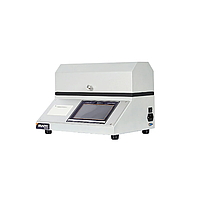
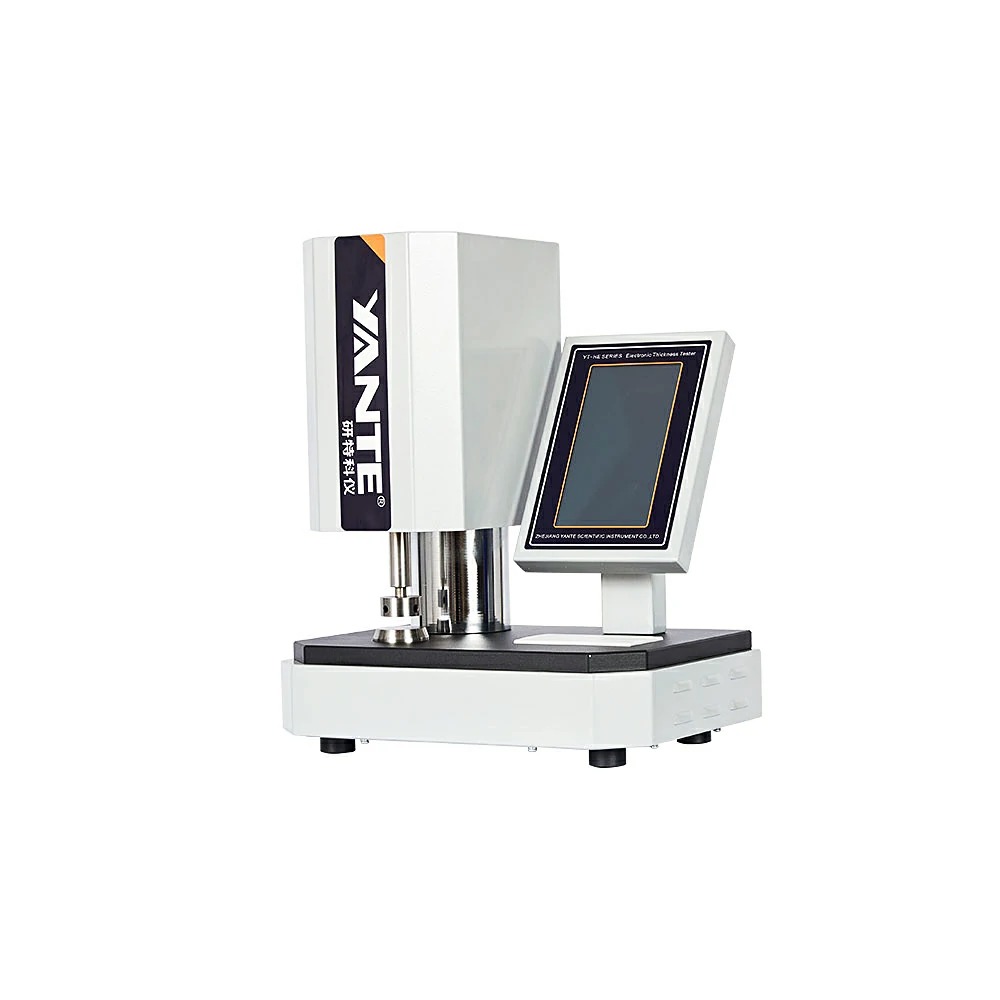
The product range shown here reflects several common testing needs in paper and tissue evaluation. For example, thickness measurement is a basic but essential control point because it influences product feel, stacking, converting behavior, and consistency. A model such as the Yante YT-HE Electronic Thickness Tester is designed for precise thickness checks with controlled contact conditions.
Softness is another important property, especially for tissue and related hygiene materials intended for direct consumer use. The Yante YT-RRY1000 Softness Tester illustrates how softness can be measured in a repeatable way rather than judged only by hand feel. For durability-related evaluation, the Yante YT-BBT50 Tissue Ball Burst Tester helps assess resistance to localized force, which can be useful when comparing grades or production batches.
Some applications also require assessment of loose fiber or powder shedding. The Yante YT-DFL Tissue Powder Drop Rate Tester addresses this type of performance check, which can be relevant for cleanliness, handling, and end-use expectations. When sample preparation or post-process handling matters, equipment such as the Yante YT-LX1400 Digital Centrifugal Dryer can support laboratory workflows by helping remove moisture from test materials under controlled rotation conditions.
Equipment for pulp preparation and screening work
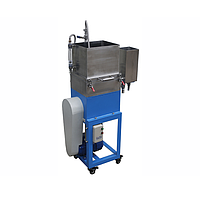
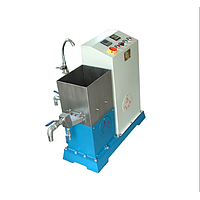
Not every testing workflow starts with a finished tissue sample. In many cases, laboratories also need to prepare, separate, or screen pulp before downstream evaluation. That is where instruments like the Yante YT-PL27 Laboratory Strainer and the Yante YT-PSS Pulp Screening (Somerville-type) fit into the broader quality-control process.
These systems are relevant when material classification, screening behavior, or pulp preparation influences the final performance of tissue and hygiene products. For companies working across both laboratory analysis and downstream converting, this creates a practical bridge between raw material assessment and finished-product testing. If your workflow extends beyond testing into production equipment, it may also be useful to review related paper processing machinery for a broader process view.
What to consider when choosing hygiene products testing equipment
The right selection depends on what property you need to control and where the instrument will be used. Some buyers need benchtop lab devices for routine incoming inspection, while others need equipment suited to process validation, product development, or comparative testing between production runs. It helps to define whether the priority is dimensional measurement, force-based testing, sample preparation, or screening analysis.
Operational details also matter. Measuring range, resolution, speed control, display interface, data output, and environmental suitability can all influence day-to-day usability. Several products in this category include touch-screen operation and communication interfaces such as RS232, which may be useful for recordkeeping or integration into existing lab procedures. The goal is not simply to buy an instrument with more features, but to choose one aligned with the actual test method and reporting requirements.
Why repeatability matters in test workflows
In industrial testing, a result is only useful if it can be reproduced under the same conditions. Repeatability matters when comparing suppliers, validating process changes, or confirming whether a product still meets internal quality benchmarks. Instruments designed with controlled motion, defined pressure, stable speed, and consistent test geometry help reduce operator-dependent variation.
This is especially important in hygiene-product applications where relatively small differences in structure or material handling can influence the final result. A consistent test setup allows teams to distinguish real product changes from measurement noise. Over time, that supports better trend analysis and more confident decision-making across R&D, QA, and production departments.
Brand focus and system compatibility
A large part of this category centers on Yante, with instruments covering several common tissue and pulp testing tasks. This can be helpful for buyers who prefer a more unified equipment source for laboratory standardization, operator familiarity, and maintenance planning. Rather than mixing unrelated platforms, some facilities prefer to build a more consistent testing setup around one manufacturer where practical.
At the same time, equipment selection should still be guided by the test objective first. For example, a softness tester and a thickness tester serve very different purposes, even if they share similar interface styles. Looking at the test principle, sample type, and workflow sequence will usually lead to a better decision than comparing model names alone.
Related equipment in the wider production environment
Testing equipment does not operate in isolation. In many factories, sample stability and process conditions are influenced by surrounding utilities and handling systems. Depending on the application, supporting equipment such as an industrial water cooler or chiller may be relevant for temperature-sensitive processes or laboratory support.
Likewise, if compressed air is used in adjacent production or automation setups, it may be worth considering broader plant infrastructure such as compressed air treatment equipment. These related categories do not replace testing instruments, but they can help create a more stable operating environment around quality-control activities.
Finding the right fit for your lab or production team
Choosing from a category like this is usually less about finding one universal machine and more about building a practical testing workflow. Some operations may only need one key measurement such as thickness or softness, while others require a combination of screening, drying, burst testing, and debris-related evaluation to fully understand material performance.
By matching each instrument to a clear test purpose, buyers can create a more useful and repeatable quality-control system for tissue, pulp, and hygiene-product applications. A focused selection based on sample type, testing frequency, and reporting needs will generally provide more value than a broad but underused setup.
Get exclusive volume discounts, bulk pricing updates, and new product alerts delivered directly to your inbox.
By subscribing, you agree to our Terms of Service and Privacy Policy.
Direct access to our certified experts