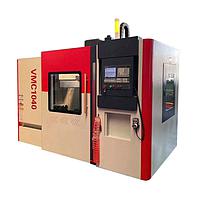
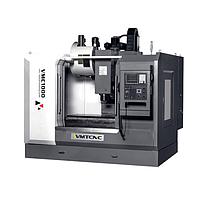
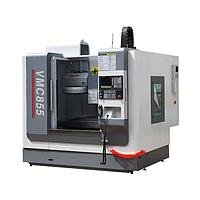
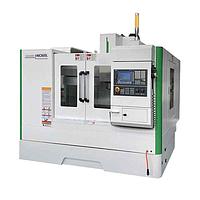
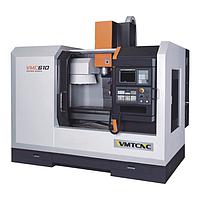
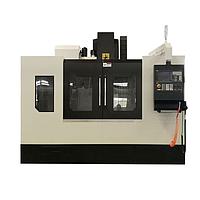
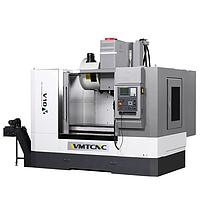
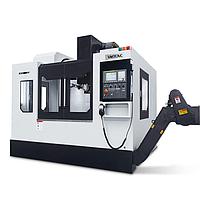
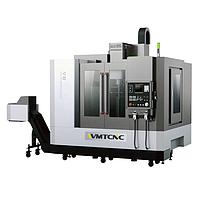
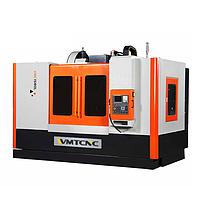
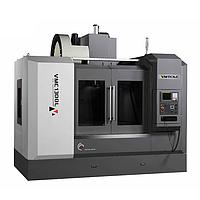
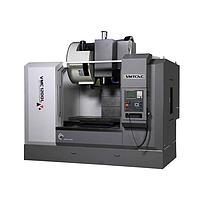
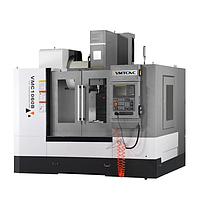
Milling Machine
Precision machining depends on more than spindle power and cutting tools. Stable workholding, suitable machine configuration, and the ability to manage heavy cutting loads all play a major role in milling performance, especially in industrial environments where repeatability and productivity matter.
On this page, Milling Machine solutions are presented with a practical focus on workshop applications, machining stability, and compatible equipment used around the milling process. Whether the requirement is general metalworking, larger plate machining, or heavy-duty clamping for planomiller operations, choosing the right setup helps improve accuracy, surface finish, and process safety.
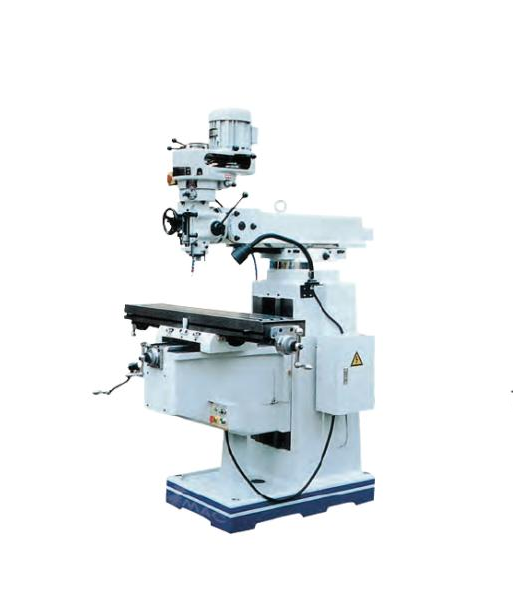
Where milling machines are used in industrial production
Milling machines are widely used to remove material from metal workpieces, create flat surfaces, machine slots, shoulders, pockets, and prepare parts for further assembly or finishing. In production workshops, they are often selected for jobs that require controlled geometry, repeatable dimensions, and reliable cutting over multiple batches.
Depending on the size of the workpiece and the cutting forces involved, the surrounding equipment can be just as important as the machine itself. Shops that handle long or thick components usually pay close attention to table size, mounting method, and workholding technology because these factors directly affect rigidity during machining.
Why workholding is critical for milling performance
In milling, the cutting tool continuously applies lateral and downward forces to the part. If the workpiece is not held securely, vibration, deflection, and inconsistent dimensional results become much more likely. This is particularly important in high-load operations and when machining large steel plates or thick sections.
That is why electromagnetic chucks are relevant within the milling machine ecosystem. In applications where strong magnetic holding is appropriate, they help secure ferrous workpieces across a broad contact area. For heavy-duty cutting by milling machines and planomillers, products from KANETEC are commonly considered when stable chucking and dependable holding force are needed.
Representative equipment in this category
The product range shown here includes large-format electromagnetic chucks intended for demanding machining conditions. Models such as the KANETEC KETZ-60150C and KETZ-60100B are designed for heavy workpieces and applications where large cutting force is expected. Their larger working surfaces make them relevant for broader parts that need consistent holding over the full machining area.
Mid-size options such as the KANETEC KETZ-50100B, KETZ-40100B, and KETZ-4080B support shops that need a balance between holding area and machine-table compatibility. For more compact setups, models including the KETZ-3060B, KETZ-2560B, and KETZ-2060B can be suitable when the job still requires magnetic clamping but with a smaller machine footprint.
Across these examples, one consistent theme is clear: the equipment is intended for heavy-duty cutting, thick workpieces, and machining conditions where holding reliability directly influences process quality.
How to choose the right milling setup
Selection should begin with the actual workpiece, not only the machine nameplate. Part size, thickness, material type, and machining strategy all affect what kind of milling arrangement makes sense. A long plate being face milled under high cutting load requires a different support strategy from a smaller component being machined with lighter passes.
It is also important to compare the workholding surface with the effective contact area of the part. In magnetic clamping applications, the usable face dimensions, pole arrangement, and installation method should align with the intended machining task. For example, larger models in the KETZ series are more relevant when machining broad or elongated parts, while smaller models may be preferable where table space is limited.
Power requirements matter as well. Several listed products operate at 90 VDC, so the electrical side of the installation should be reviewed together with the machine layout. In production environments, cooling and utility support may also affect machine uptime, which is why some facilities evaluate related systems such as industrial water chillers for broader process stability.
Practical considerations for heavy machining
When a milling machine is used for aggressive cutting, setup discipline becomes essential. The machine table, fixture alignment, and workpiece support should all be checked before cutting starts. Even a powerful machine can underperform if the workholding method allows micro-movement or uneven support across the part.
Operators and engineers should also consider chip control, thermal effects, and accessibility for loading and unloading. On larger workpieces, reducing setup time without sacrificing holding security can improve throughput significantly. This is one reason magnetic workholding remains attractive in selected ferrous-part applications, especially where repeat jobs are common.
Utilities around the machine should not be ignored either. In plants with multiple machining cells, support equipment such as compressed air treatment equipment can contribute to cleaner pneumatic operation, actuator reliability, and more stable workshop conditions overall.
Manufacturer context and category relevance
Although this category is centered on milling machines, the available products show that the page also serves buyers looking for supporting equipment used in milling operations. Among the listed manufacturers, KANETEC stands out in this context because the featured products are focused on magnetic chucking solutions for machining tables and heavy workholding applications.
Other manufacturers shown in the broader category landscape, such as ROLAND, Karg, and Shinzawa, may be relevant depending on the specific machining requirement or product segment available on the site. For buyers comparing machine-related options across industrial production lines, it can also be useful to explore adjacent machinery areas such as heat shrinking machines or paper processing machinery when evaluating broader factory equipment sourcing.
What buyers should review before ordering
Before placing an order, verify the machine table dimensions, required holding area, workpiece material, and the expected cutting load. This helps narrow the selection between compact and large-format models and reduces the risk of choosing a chuck or machine setup that does not match the production task.
It is also worth reviewing installation details, mounting conditions, and electrical compatibility in advance. For larger chucks, total mass and handling considerations are especially important during integration. A well-matched solution should support the machining process reliably without creating unnecessary complexity for operators or maintenance teams.
Final thoughts
A milling machine setup performs best when the machine, the cutting method, and the workholding approach are considered together. For workshops handling ferrous materials under demanding conditions, heavy-duty electromagnetic chucks can be a practical part of that system, especially when machining large or thick workpieces.
By comparing part size, cutting force, mounting conditions, and available table space, buyers can identify equipment that fits real production needs rather than relying on generic specifications alone. This category is intended to help industrial users evaluate milling-related solutions with a clearer view of both machining requirements and supporting hardware.
Get exclusive volume discounts, bulk pricing updates, and new product alerts delivered directly to your inbox.
By subscribing, you agree to our Terms of Service and Privacy Policy.
Direct access to our certified experts