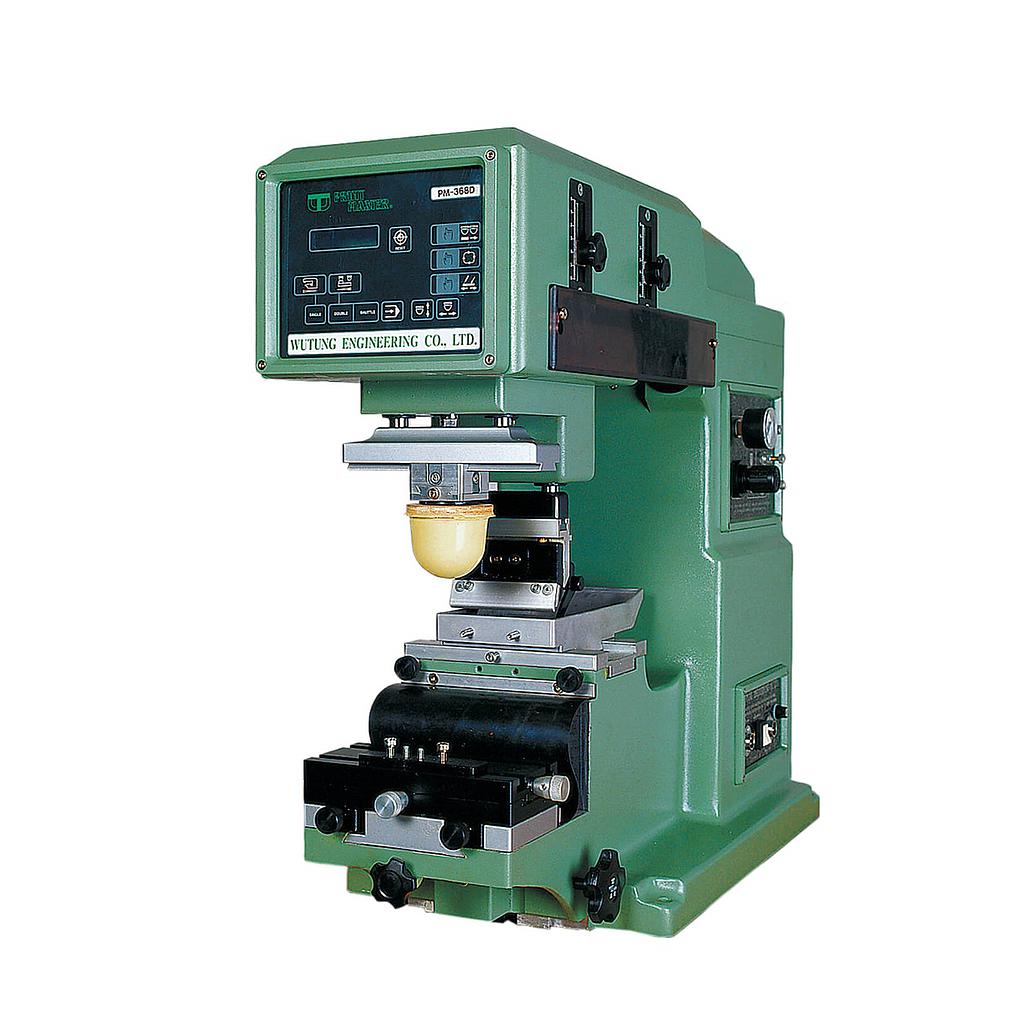
Pad Printing Machine
When logos, markings, or product information need to be printed on curved, irregular, or compact surfaces, pad printing is often the practical choice. This process is widely used in manufacturing because it can transfer fine details onto parts that are difficult to handle with flat printing methods, from caps and rulers to ceramic items and small consumer components.
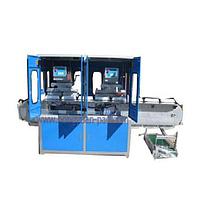
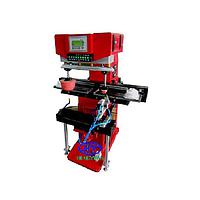
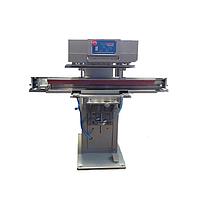
Pad Printing Machine solutions in this category are intended for production environments that need repeatable marking, flexible part handling, and a machine range that covers manual, electric, semi-automatic, and automatic workflows. The selection includes equipment suited to small-batch work as well as higher-output applications where speed, alignment, and multi-station operation become more important.
Where pad printing machines are commonly used
Pad printing is a common choice when the print must be applied to surfaces that are not perfectly flat. The silicone pad transfers ink from the plate to the workpiece, making it suitable for small logos, symbols, scales, and decorative or functional markings on plastic, metal, ceramic, and coated parts.
Typical applications represented in this category include printing on pens, bottle caps, rulers, and ceramic plates. For manufacturers handling post-print finishing or packaging steps, it can also be useful to review related equipment such as heat shrinking machines when the printed product moves into bundling or wrap preparation.
Machine types available in this category
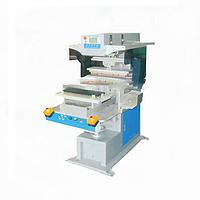
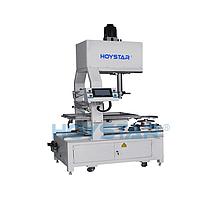
The range covers several production styles. Manual pad printers are usually a sensible fit for prototyping, small batches, operator-controlled jobs, or facilities that need a compact machine for straightforward one-color work. Models such as the Hoystar GW-120 Manual Pad Printer With Ink Cup System and the Hoystar GW-MN desktop unit illustrate this entry-level direction for smaller parts and lower throughput needs.
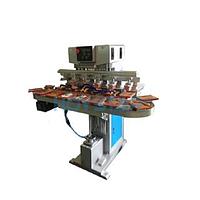
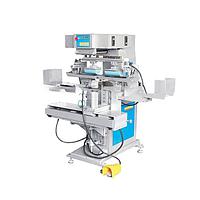
For users looking for faster cycle rates with less manual effort, electric and automatic machines offer a more efficient workflow. The Hoystar GW-300 Electric Pad Printing Machine for Small Logo is an example of a compact machine intended for high-speed logo printing, while larger automatic systems in this category address continuous production and dedicated workpiece formats.
From compact printing to specialized production lines
Not every application requires the same machine architecture. Some operations need a compact desktop footprint, while others require multi-station handling, conveyor-based movement, or product-specific tooling. That is why this category includes equipment for both general-purpose printing and more specialized tasks.
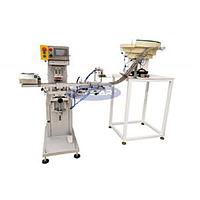
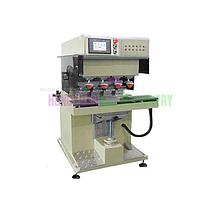
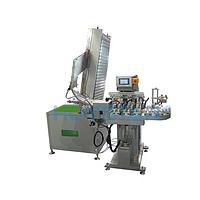
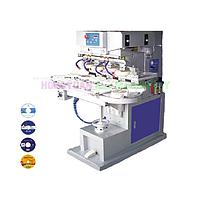
Examples include the Hoystar GW-RUL-4 and GW-RUL-300 machines designed for ruler printing, as well as bottle-cap focused systems such as the GW-P2/C-CAP and GW-P2-C. For larger and more demanding parts, the GW-L3P 3-color ceramic plate pad printing machine shows how pad printing can be adapted to wider print areas and multi-color requirements rather than only small-logo work.
Key selection factors before choosing a machine
A good machine choice usually starts with the workpiece itself. Surface shape, print size, material, and the number of colors all affect the required machine format. A small part with a simple single-color logo can often be handled by a compact one-color system, while larger items or products that need registration across multiple colors may call for a bigger platform and more stable fixture arrangement.
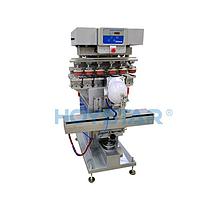
Printing speed, workstation design, and ink system are also important. Some machines in this category use a closed ink cup configuration, which is often preferred for cleaner ink management and more controlled operation. If your production setup relies on pneumatic equipment, planning the air supply is equally important, and related support products in compressed air treatment equipment can help maintain stable machine performance.
Understanding workflow differences: manual, electric, semi-auto, and automatic
Manual machines are generally chosen for flexibility, training, low-volume production, or jobs that change frequently. They can be easier to integrate into a workshop where operators need direct control over setup and printing cycles. This approach is often relevant for sample making, small branding runs, or product testing before full-scale production.
Automatic pad printing systems are more suitable when output consistency and throughput are higher priorities. Conveyor-fed or multi-station machines can support repeatable production over longer runs, especially for standardized parts such as caps or rulers. In these cases, the machine becomes part of a wider production cell, sometimes working alongside auxiliary cooling equipment such as an industrial water cooler or chiller depending on the broader plant environment and process stability needs.
Hoystar machines in this category
Hoystar is the featured manufacturer in this category, with models covering a broad span of production requirements. The lineup includes compact manual units, electric machines for small-logo applications, one-color systems with sealed ink cups, and larger automatic solutions for dedicated product formats.
The presence of coating equipment such as the Hoystar GW-C Coating Machine for Pad Printing also adds useful context to the category. In practice, pad printing is not only about the printer itself but also about the supporting steps around plate preparation, ink handling, workpiece setup, and process consistency across repeated runs.
How to match the machine to your production environment
For a small workshop or a business launching a new printed product, a desktop or manual model may be the most practical starting point. It allows the team to validate artwork, fixture setup, and print transfer on real parts without investing immediately in a larger automated platform.
For established manufacturers with repeat orders and fixed product geometry, automatic equipment with conveyor transport or multiple workstations may provide a better return through higher hourly output and more predictable cycle control. The right choice often depends less on machine size alone and more on the balance between product mix, batch size, changeover frequency, and required print consistency.
Choosing within this pad printing machine range
This category is structured to support both simple and specialized pad printing tasks, whether the requirement is a compact machine for small parts or a dedicated system for caps, rulers, or ceramic products. Looking at factors such as print area, color count, workpiece size, operating mode, and expected output will usually narrow the options quickly.
If you are comparing models, focus on the real production need rather than only headline speed. A well-matched machine should fit the part geometry, the target throughput, and the surrounding factory process so the printing stage remains stable, maintainable, and easy to scale over time.
Get exclusive volume discounts, bulk pricing updates, and new product alerts delivered directly to your inbox.
By subscribing, you agree to our Terms of Service and Privacy Policy.
Direct access to our certified experts