
Power Press
Forming, punching, bending, and material preparation often depend on one thing: applying force in a controlled and repeatable way. In production workshops, maintenance departments, and test preparation areas, power press equipment supports tasks that range from cutting specimen shapes to carrying out compact pressing or bending operations with consistent output.
This category brings together machines used where mechanical force, operator control, and process repeatability matter. Depending on the application, buyers may be looking for a manual press for lower-volume work, a pneumatic solution for faster specimen preparation, or a horizontal press for specific forming and bending tasks.
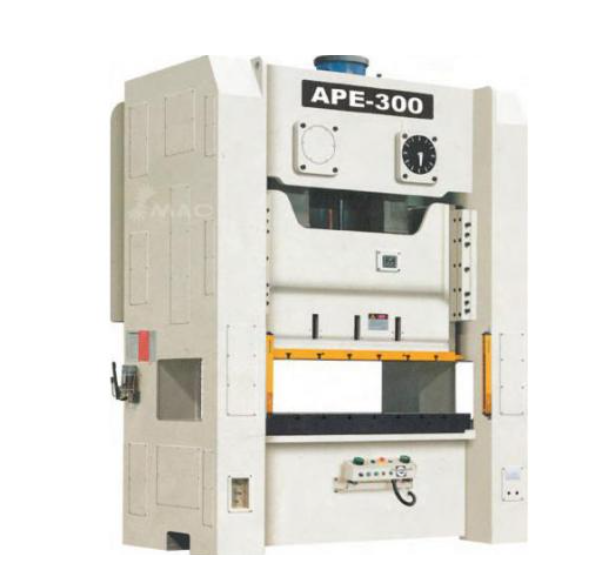
Where power press machines are used
Power press systems are common in industrial environments where sheet, strip, soft metal, non-metal materials, or test samples need to be cut or formed with repeatable force. They are especially relevant in laboratories and manufacturing support functions that prepare specimens for downstream inspection, material testing, or quality control.
They can also support light production or workshop operations where a dedicated high-volume stamping line is not required. In these cases, the focus is usually on controlled pressing force, ease of operation, available stroke, and adequate daylight for the tool and workpiece.
Typical machine types in this category
One practical way to compare this category is by drive method. Manual presses are often selected for straightforward jobs, lower throughput, or environments where compressed air is not preferred. Pneumatic presses, by contrast, are commonly chosen when operators need faster cycles and more consistent force application across repeated punching operations.
The current range also suggests more application-specific press designs. For example, a horizontal press may be more suitable for bending or shaping workpieces in a different orientation than a vertical punching press. This means buyers should evaluate the machine not only by tonnage or force, but also by how the press frame and motion fit the actual workflow.
Representative equipment in the range
A large part of this category is represented by specimen punching machines from Karg. Models such as the Karg PPS 5, PPS 32, PPS 34, and PPS 60 show how pneumatic presses can cover very different force requirements, from lighter-duty sample preparation up to substantially higher punching capacity. For users handling routine test-piece production, this type of machine can help improve consistency while reducing operator effort.
For manual operation, the Karg MPS 15-40 and MPS 30-30 illustrate an alternative approach where compressed air is not necessary. These machines can make sense for lower-volume work, simpler setups, or facilities that prefer direct operator control over the pressing cycle.
The category also includes the Mackma PR10 Horizontal Press, which points to applications beyond specimen punching alone. A horizontal configuration may be useful for bending and forming tasks where workpiece access and support are better suited to that layout.
How to choose the right power press
The first selection factor is the required pressing or punching force. Buyers should start from the material type, thickness, tool geometry, and the expected duty of the operation. Selecting too little force can lead to incomplete punching or unstable results, while excessive capacity may increase cost and footprint without adding practical value.
Stroke and daylight are also important. These parameters affect how the tool is mounted, how easily parts can be inserted or removed, and whether the machine can accommodate the intended setup. In many B2B purchasing decisions, these mechanical dimensions matter just as much as the headline force rating.
It is also worth considering the available utilities and workflow around the machine. Pneumatic models are better suited to sites with reliable air supply, and related compressed air treatment equipment may be relevant for stable operation. If the process is part of a larger material preparation line, surrounding machinery should be reviewed at the same time rather than selecting the press in isolation.
Manual vs pneumatic press: practical considerations
A pneumatic press is typically preferred when the operation is repetitive and cycle speed matters. It can help reduce operator fatigue and support more uniform results when multiple samples or parts need to be processed during a shift. In testing environments, that consistency can be especially valuable because specimen quality directly affects later measurement or evaluation steps.
A manual press remains a sensible option when volume is modest, the process changes frequently, or the user wants a simpler machine concept. Manual designs can also be attractive where installation requirements need to stay minimal. The choice is less about one technology being universally better and more about matching the machine to the actual production rhythm and shop conditions.
Considering the wider process around the press
Pressing equipment rarely operates as a standalone decision in industrial settings. Material handling, part cooling, air preparation, and downstream processing can all influence which machine is the better fit. For example, if the pressed part or tooling is part of a temperature-sensitive process, some users may also review industrial water cooler and chiller solutions elsewhere in the machinery range.
Likewise, some applications involve preparing samples or intermediate parts before another manufacturing step. In that context, buyers may compare press equipment with adjacent process categories to build a more efficient workflow rather than focusing only on the individual machine.
Manufacturers and application coverage
The listed brands in this category include Karg, Mackma, and SamSung. Karg is especially visible in specimen punching machines, covering both manual and pneumatic formats. Mackma adds a broader workshop-oriented perspective with equipment such as a horizontal press and other industrial processing machines.
Although the product mix is not limited to one single press style, that variety can be useful for buyers comparing different operation types within the same sourcing process. It allows engineers, workshop managers, and procurement teams to evaluate whether their need is primarily test-sample preparation, general pressing, or a more specific bending-oriented task.
What matters for B2B buyers
In a B2B environment, the best choice usually comes from balancing force capacity, machine dimensions, drive method, operator workflow, and integration with existing tooling. Weight and footprint may also matter if the machine is going into a lab, maintenance room, or compact workshop rather than a large production hall.
It is equally important to think about how often the press will be used and how standardized the operation is. A machine used occasionally for varied jobs can have different requirements from one that prepares the same specimen shape every day. Reviewing those use patterns early helps narrow the shortlist more effectively than comparing capacity figures alone.
Final thoughts
This Power Press category is most useful when viewed as a practical selection of force-based industrial machines for punching, forming, and related preparation tasks. From manual specimen punching units to pneumatic presses and horizontal press designs, the range supports different levels of throughput, operator involvement, and application focus.
If you are comparing options, start with the material, required force, stroke, and working setup rather than the model name alone. That approach makes it easier to identify a machine that fits the real process, whether the need is specimen preparation, workshop forming, or integration into a broader industrial machinery workflow.
Get exclusive volume discounts, bulk pricing updates, and new product alerts delivered directly to your inbox.
By subscribing, you agree to our Terms of Service and Privacy Policy.
Direct access to our certified experts