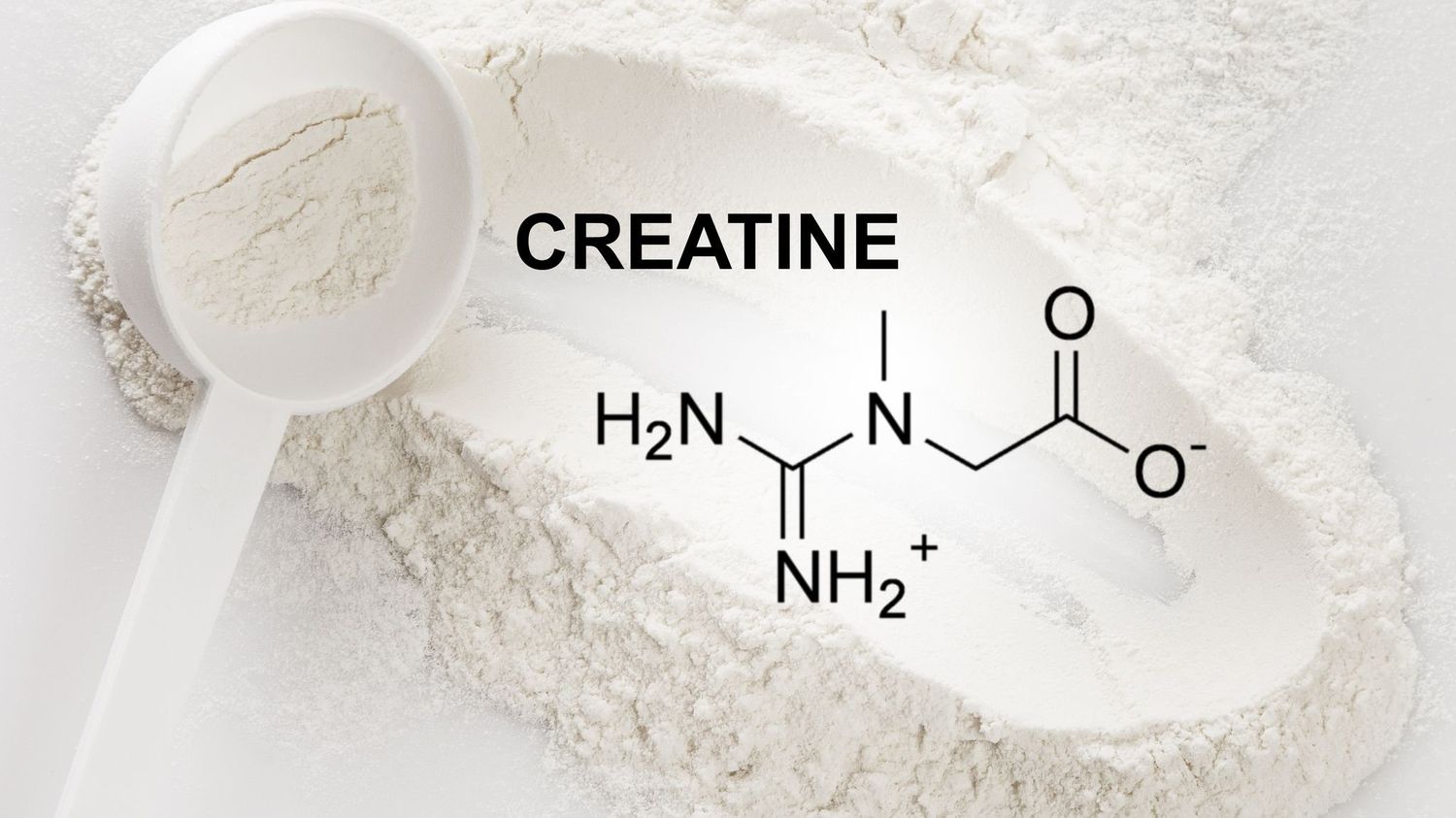
Creatine is an organic compound that plays a role in supplying energy to cells, particularly in the muscles and brain. Consequently, athletes may use creatine supplements to enhance workout performance; however, research has also explored its potential to support cognitive functions, such as short-term memory.
When manufactured as a dietary supplement, creatine typically appears as a white crystalline powder, with creatine monohydrate being the most common form. Therefore, the question of whether creatine monohydrate is 100% pure cannot be answered based solely on the powder's color or solubility.
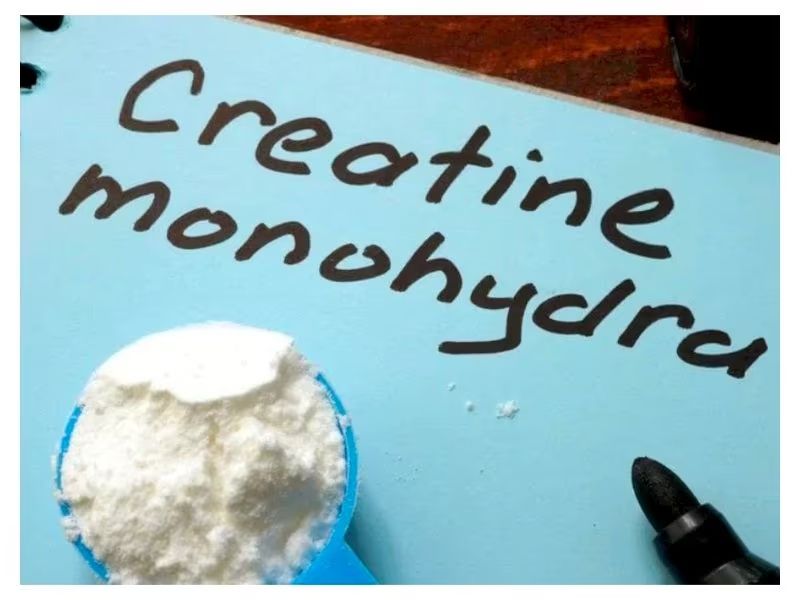
What raw materials is creatine monohydrate made from?
Most commercially available creatine monohydrate is produced via chemical synthesis. The Creapure® process utilizes sarcosinate and cyanamide as starting materials. Following the reaction, the resulting creatine undergoes further processing to achieve the required level of purity.
A key factor is that the chemical reaction does not automatically yield a perfectly pure product; the post-reaction mixture may contain creatine alongside residual components or by-products. DCD (dicyandiamide) is a specific impurity of concern in creatine quality control. With the Creapure® process, DHT levels are undetectable, while DCD levels are strictly controlled to remain very low and well below EFSA limits. (reference information: Creapure)
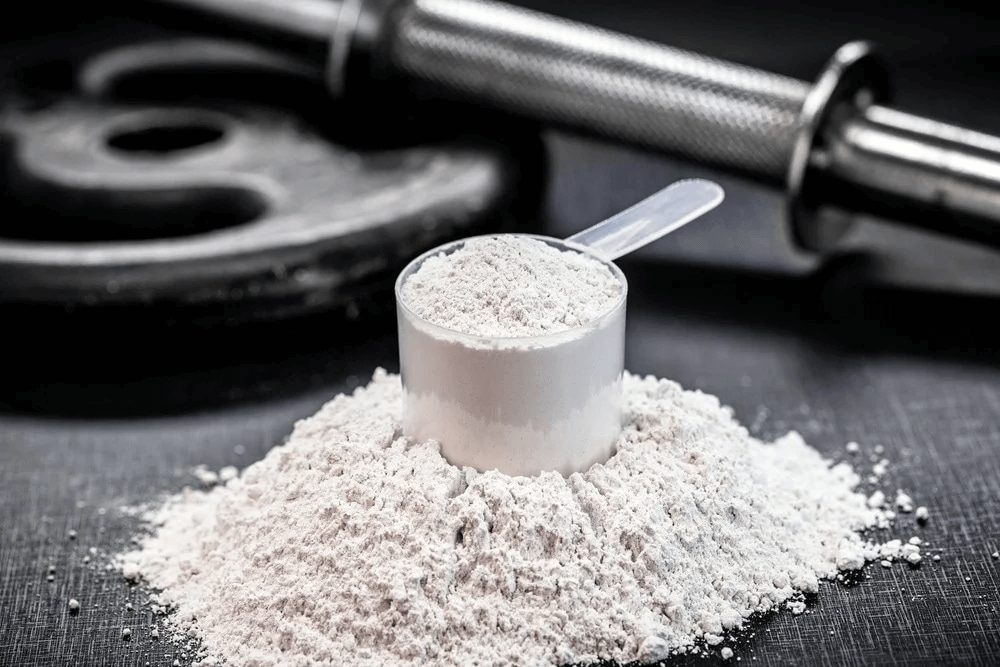
Therefore, the quality of creatine powder depends on the ability to control the post-reaction separation, purification, and analysis steps, which determine the final composition.
From the reaction mixture to creatine crystals that can be dried into powder
Once creatine has formed and crystallized, the manufacturer must separate the crystals from the liquid phase. This is where separation technology plays a crucial role.
Certain creatine monohydrate production processes described in patent literature employ a centrifugation step to recover the solid product, followed by washing, filtration, and drying to yield a high-purity product.
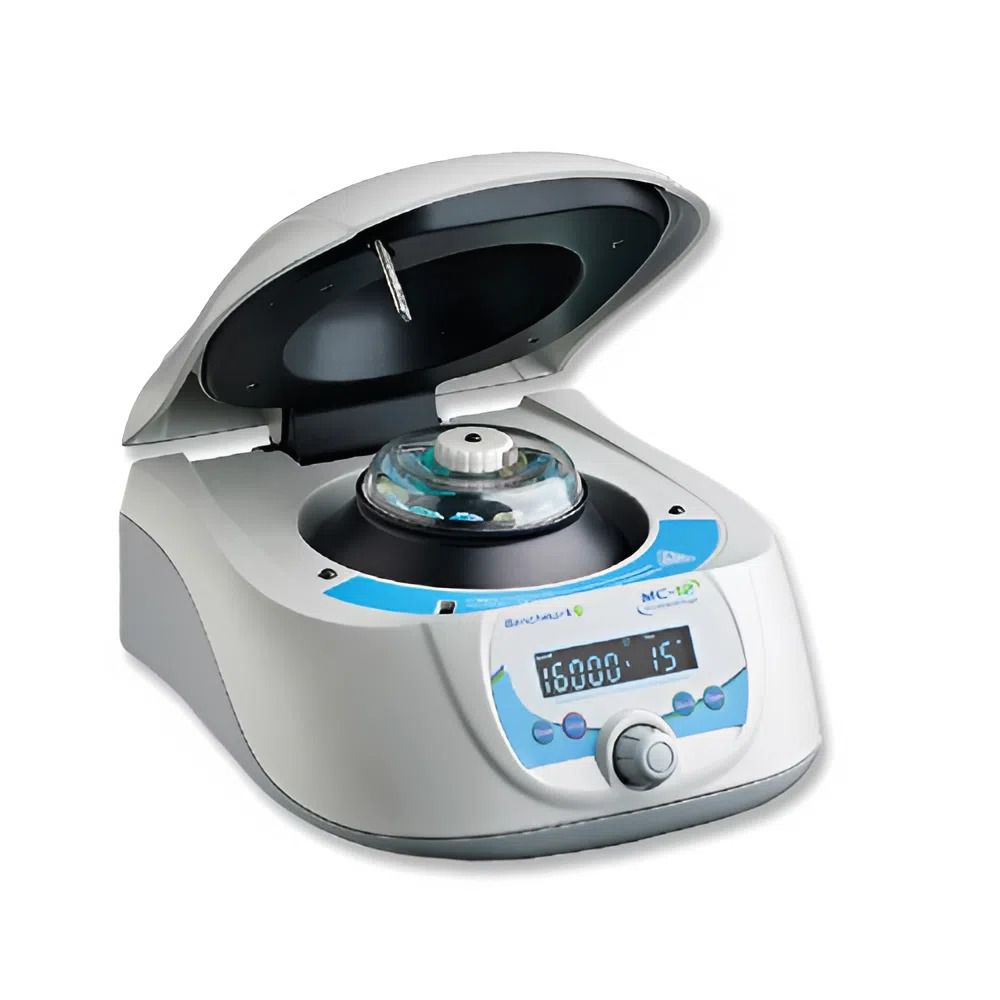
The post-reaction mixture consists of solid crystals and a liquid solution. High-speed rotation generates centrifugal force that facilitates the separation of the solid phase from the liquid phase, allowing for the recovery of the crystals and the removal of the accompanying liquid.
Depending on the specific process, the crystals may undergo further washing with purified water or other purification steps after the initial separation, prior to drying. Documentation regarding high-purity creatine production also outlines sequential centrifugation, washing, and drying stages to obtain creatine monohydrate. Consequently, in various creatine production and processing workflows, centrifugation technology is essential for the critical step of separating solids from liquids.
Why are the separation and washing of crystals related to purity?
The mere formation of creatine crystals does not mean the product is ready for packaging. Residual solution adhering to the crystals may contain soluble components that need to be removed. Production processes may employ subsequent washing and separation steps to reduce residual matter prior to drying. Certain processes described in patent literature involve washing the crystals followed by centrifugal filtration before drying.
Visualize the post-reaction crystals as a solid mass retaining some of the solution. Separating the solid phase is merely the first step; the remaining liquid, its composition, and subsequent processing methods all impact the final product quality.
Consequently, the quality of a container of creatine cannot be assessed solely by the whiteness of the powder. A product may appear perfectly normal yet still require testing via appropriate analytical methods to determine its composition and impurity levels.
How does centrifugation aid the creatine drying process?
After separation, the crystals still retain a certain amount of moisture. This moisture content must be managed before the material is converted into a dry powder product.
Documentation on creatine monohydrate production processes indicates that the solid-liquid separation step is typically combined with washing and drying. Centrifugation is used to remove the liquid phase before the product proceeds to the next stage.
Reducing the water content prior to drying alleviates the load on the drying process. Following the initial separation of the moist crystal mass, the process yields a dry product that can subsequently be milled and processed to meet specific particle size requirements. It is important to note that centrifugation does not replace drying; the centrifuge separates the liquid from the solid, whereas the drying stage removes the remaining moisture to achieve the required dry state.
Where do impurities in creatine come from?
DCD and DHT are frequently mentioned in discussions regarding creatine production. Creapure® states that its manufacturing process utilizes sarcosinate and cyanamide while keeping DHT levels undetectable and DCD levels extremely low. Every product batch also undergoes analytical testing prior to release.
These details highlight a crucial point for creatine buyers: purity must be verified through control processes and analytical results, as it cannot be assessed by the naked eye.
Methods such as HPLC are employed for compositional analysis and batch-specific quality control. Creapure® reports that every batch is tested and documented before shipment.
End-users cannot personally test for DCD or DHT simply by dissolving the powder in water. Factors such as dissolution speed or the presence of residue reflect only the product's physical characteristics and are insufficient to determine its chemical purity.
A quick comparison: What is the difference between budget-friendly creatine and premium creatine?
A higher price tag does not automatically prove that a creatine product is of superior quality. Conversely, a low price is not sufficient grounds to conclude that a product is inferior.
To understand the differences, one must look at the entire process behind the product. Where do the raw materials come from? How is the synthesis process controlled? Is every batch analyzed? Does the manufacturer disclose quality standards and testing records?
Creapure® guarantees a minimum purity level of 99.9%, production at its own dedicated facility in Germany, and batch-by-batch testing prior to release. The company also incorporates production systems, testing protocols, and traceability records into its quality standards.
Buyers are paying for more than just a bag of white powder; the cost also covers raw materials, production equipment, purification processes, impurity control, and quality analysis.
What should gym-goers look for when buying creatine?
It is easier to evaluate a tub of creatine that has a clear origin, a transparent manufacturer, and comprehensive testing data than a product that focuses solely on price.
You can check for:
- Ingredients listed on the label
- Manufacturer's origin
- Information regarding raw materials
- Certifications or manufacturing standards
- COA (Certificate of Analysis) or batch-specific testing records, if available
- Product traceability
In the case of Creapure®, products feature a QS code that allows for authenticity verification via the brand's system. The company also states that every batch undergoes testing and documentation before leaving the facility.
So, is creatine monohydrate 100% pure?
The term "100% pure" should not be interpreted in absolute terms without accompanying standards and measurement methods. Manufacturers typically state purity levels based on specific thresholds; for instance, Creapure® specifies a minimum purity of 99.9%.
What matters more is how that figure is achieved. From the chemical reaction, crystallization, and solid-liquid separation to washing, drying, and batch-by-batch analysis, every step plays a decisive role in the quality of the final creatine powder. Behind the fine, white creatine powder that bodybuilders mix with water every day lies a complex array of separation and testing technologies that remain largely invisible to the consumer.
EMIN provides laboratory equipment solutions for sample separation, processing, and testing. Contact EMIN for advice on equipment tailored to your research and testing needs.