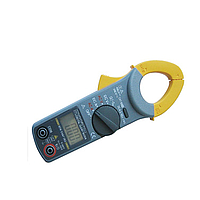
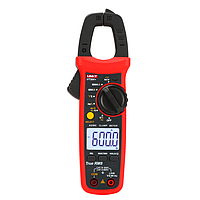
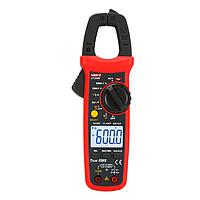
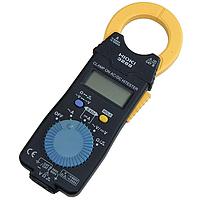
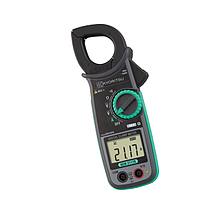
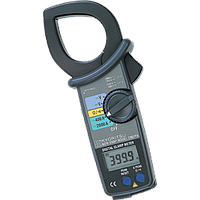
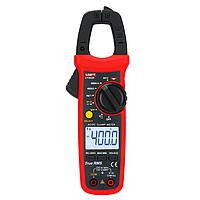
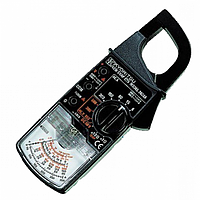
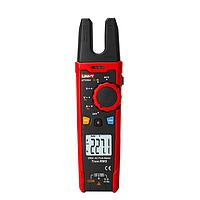
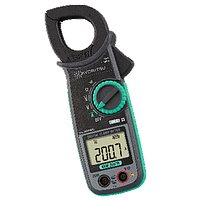
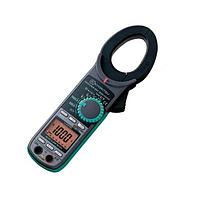
Clamp Meter
Electrical troubleshooting often starts with one practical question: how do you measure current quickly and safely without breaking the circuit? That is why the Clamp Meter remains a core tool for electricians, maintenance teams, HVAC technicians, panel builders, and industrial service engineers. It combines current measurement through a clamp jaw with the convenience of a handheld electrical tester, making it suitable for routine inspection, diagnostics, and preventive maintenance.
For B2B users, the right choice is rarely about a single feature alone. It usually depends on the type of current to be measured, the working voltage, the installation environment, the expected accuracy, and whether additional functions such as voltage, resistance, capacitance, frequency, or temperature are required.
Where clamp meters are commonly used
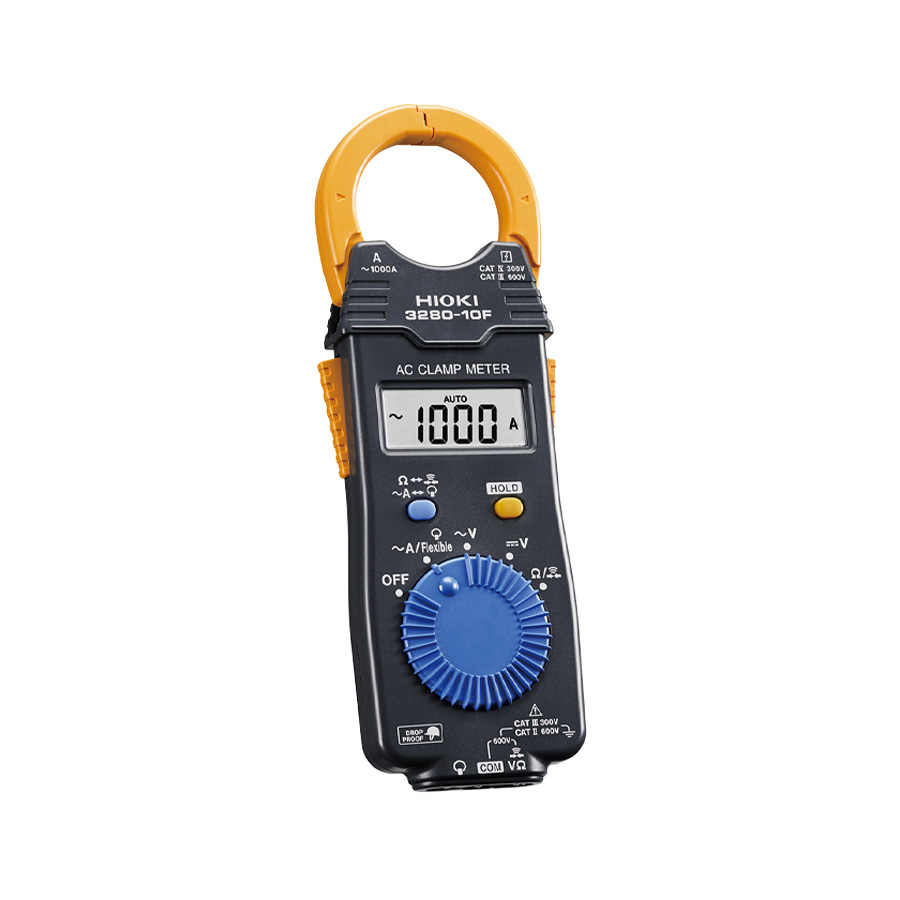
A clamp meter is widely used anywhere current needs to be checked under load. In industrial plants, it helps verify motor current, identify overload conditions, and compare phase loading during maintenance. In building systems, it is useful for checking feeders, breakers, distribution panels, and control cabinets with minimal interruption to operation.
It is also a practical choice for field service work. HVAC applications may require current, voltage, resistance, capacitance, and temperature checks in one portable instrument, while solar and DC-related work often requires AC/DC measurement capability and higher DC voltage handling. When broader electrical verification is needed alongside current checks, many users also compare clamp meters with a standard multimeter to build a more complete test setup.
How to choose the right measurement type
One of the first selection points is whether the job only involves AC circuits or requires both AC and DC. For general commercial power systems, an AC clamp meter may be sufficient. In contrast, maintenance on battery systems, DC drives, solar installations, or mixed-power equipment usually calls for an AC/DC clamp meter.
Another important factor is waveform quality. Inverters, variable speed drives, and many modern electronic loads can create distorted signals, so True RMS capability becomes especially valuable. Models such as the HIOKI CM4375-50 and HIOKI CM4371-50 are examples often considered for users who need broader AC/DC measurement coverage with True RMS operation in demanding electrical environments.
Key specifications that matter in real work
Current range is the most obvious parameter, but it should not be the only one. A meter with 400 A, 600 A, 1000 A, or even 2000 A capability may look attractive, yet selection should match the actual circuit conditions. Oversizing too far can reduce usefulness in lower-current work, while undersizing limits the meter in industrial applications.
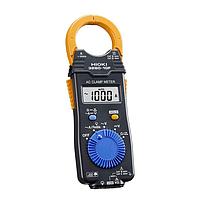
Accuracy, resolution, and frequency response are equally important. If you work on low-current diagnostics, fine resolution matters. If you measure non-linear loads, frequency range and RMS performance matter more. Physical design also plays a role: jaw opening, conductor access, instrument size, and ingress protection can affect usability in crowded panels or on site. For example, the FLUKE FLUKE-I400S-EL Clamp-On Meter is suitable as a clamp-on current accessory approach, while the HIOKI CM3281 offers a lightweight form factor that can be helpful for everyday AC current checks.
Choosing by application environment
Different tasks place different demands on the instrument. For routine maintenance in factories and facilities, users often want a balanced meter that covers current, voltage, resistance, and continuity in one device. For troubleshooting around drives or power electronics, filtering and stable readings on noisy waveforms become more relevant.
In HVAC service, technicians may prefer a clamp meter that goes beyond current measurement and supports capacitance or temperature checks. The FLUKE FLUKE-902 FC Clamp MeterHVAC Clamp Meter is a good example of a model positioned around that type of workflow. For higher-current conductors or larger busbar access, a model with a bigger jaw such as the HIOKI CM4373-50 can be more practical than a compact meter with a narrower opening.
Wireless, flexible probes, and accessory-based workflows
Not every current measurement has to rely on a fixed jaw alone. In tight cabinets or around large conductors, a flexible current probe can make access easier. Some clamp meter systems are also designed to work with wireless measurement workflows, helping technicians log readings or monitor values from a safer position.
Examples in this category include the FLUKE FLUKE-374 FC Clamp Meter, FLUKE FLUKE-375 FC AC/DC Clamp, and FLUKE FLUKE-378 FC/CN Clamp Meter, which illustrate how advanced handheld current measurement may be combined with wireless or extended measurement options. There are also accessory-oriented solutions such as the FLUKE FLK-A3000FC Wireless AC Current Clamp Module and the FLUKE FLK-A3000FC KIT Clamp Meter, which fit users building a connected test ecosystem rather than buying a standalone meter only. If your team standardizes around one brand platform, it can also be useful to review available options from FLUKE or HIOKI directly.
Clamp meter or electrical tester?
Some jobs do not require a traditional full-jaw clamp meter. For quick electrical checks, especially where speed and ease of use are priorities, an electrical tester with current sensing can be a practical alternative. The FLUKE T6-1000PRO/APAC Electrical Tester is one example that fits this type of use case.
That said, a dedicated clamp meter remains the stronger choice when you need broader measurement range, higher current capacity, more detailed functions, or better suitability for professional diagnostics. Users dealing with grounding issues may also need complementary instruments such as an earth resistance tester rather than relying on current measurement alone.
Practical buying considerations for B2B teams
For engineering, procurement, and maintenance departments, selection should align with both technical requirements and operational consistency. It helps to define the expected current range, AC-only or AC/DC needs, required voltage category, jaw size, environmental protection, and whether the meter will be used for quick inspection or deeper diagnostics.
Standardization is often just as important as specifications. Choosing compatible instruments across teams can simplify training, spare management, and calibration planning. In many cases, a compact general-purpose unit covers routine service work, while a second, higher-spec model is reserved for drives, larger feeders, or advanced troubleshooting.
Frequently asked questions
Do I need True RMS in a clamp meter?
True RMS is recommended when measuring non-sinusoidal signals, especially around inverters, drives, and modern electronic loads. For simple linear AC loads, it may be less critical.
When should I choose AC/DC instead of AC only?
If you work with batteries, solar systems, DC motors, control circuits, or mixed electrical environments, AC/DC capability is generally the better choice.
Why does jaw size matter?
Jaw size affects whether the meter can fit around larger conductors, cables with insulation, or crowded wiring layouts inside panels and cabinets.
A well-selected clamp meter improves both safety and efficiency in electrical measurement. Rather than focusing only on price or maximum current range, it is better to match the instrument to the actual application, working environment, and measurement depth required. That approach leads to a more reliable toolset for maintenance, installation, and troubleshooting over the long term.
Get exclusive volume discounts, bulk pricing updates, and new product alerts delivered directly to your inbox.
By subscribing, you agree to our Terms of Service and Privacy Policy.
Direct access to our certified experts