Electric Datalogger
When electrical signals need to be captured continuously, manually recording values is rarely practical. In maintenance, process monitoring, product validation, and lab testing, an Electric Datalogger helps collect voltage, current, pulse, and related electrical data over time so trends, events, and abnormalities can be reviewed with confidence.
This category is intended for users who need a reliable way to log electrical parameters in real operating conditions. Depending on the task, that may mean recording low-level DC signals, monitoring multi-channel systems, or expanding a broader data acquisition setup with switching and current measurement modules.
Where electric dataloggers are used
Electrical data logging is common anywhere signal behavior changes over time and those changes matter for troubleshooting or documentation. Typical use cases include monitoring DC voltage and current loops, checking equipment performance during commissioning, validating sensor outputs, and tracking long-duration test data in industrial or laboratory environments.
These instruments are also useful when one measurement is not enough. A single spot reading can confirm a present value, but a logger reveals time-based behavior such as drift, spikes, intermittent faults, start-up transients, or load changes. That is especially important when diagnosing systems that do not fail consistently.
Common device types in this category
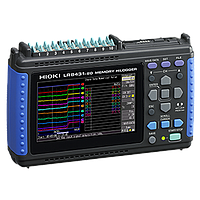
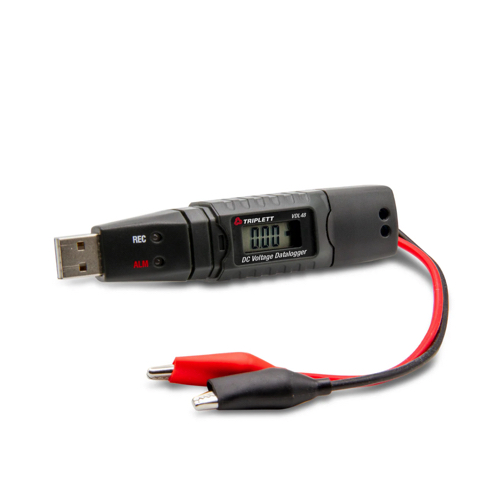
Not every electric datalogger is built the same way. Some models are designed as compact standalone recorders for a few analog channels, while others are part of a modular DAQ platform that can be adapted for switching, digital I/O, current measurement, or high channel-count monitoring.
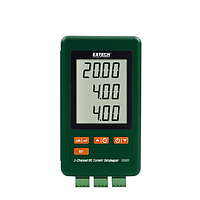
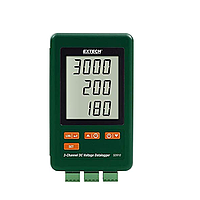
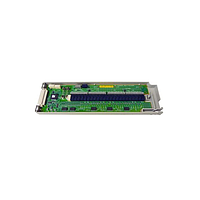
For example, the EXTECH SD900 and EXTECH SD910 are focused solutions for recording DC current and DC voltage respectively across three channels. By contrast, instruments such as the GRAPHTEC GL860 Isolated Multi-CH Data Logger are better suited to applications that need more channels, trigger functions, storage flexibility, and broader input handling. In larger test systems, modules such as the KEITHLEY 7700 Multiplexer Module or BKPRECISION DM307 and DM308 expand a data acquisition instrument rather than acting as standalone loggers.
How to choose the right electric datalogger
A good selection process starts with the signal itself. Consider whether you need to log voltage, current, pulse, digital status, or a mix of inputs. The number of channels, required sampling interval, data storage method, and whether isolation is needed will quickly narrow the options.
It is also important to look at the measurement environment. If the job requires portable standalone logging with easy file export, a simple SD-card based recorder may be the most practical choice. If the project involves multiple test points, trigger logic, external I/O, or future expansion, a modular or multi-channel platform is usually the better fit. Users comparing broader solutions may also want to review Ethernet and wireless data loggers for remote access and networked monitoring.
Examples of equipment in this range
Several products in this category illustrate the variety of electrical logging approaches. The EXTECH SD900 records DC current in the 0 to 20 mA range, making it relevant for current loop monitoring and control signal logging. The EXTECH SD910 serves a similar role for DC voltage inputs, offering a straightforward way to capture long-term electrical data and transfer readings for later analysis.
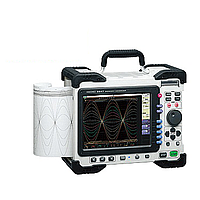
For users who need a more scalable system, the GRAPHTEC GL860 supports multi-channel acquisition with trigger and alarm capabilities, while the YOKOGAWA GX-10 Display Recorder is suited to environments where local visualization and recording are both important. In test benches and instrument-based DAQ systems, the HIOKI SW9001 Multiplexer Module, HIOKI U8977 3CH CURRENT UNIT, and KEITHLEY 7700 help extend measurement capability for switching or current-related applications rather than replacing the main logger itself.
Modular logging and switching in test systems
In many electrical measurement setups, the logger is only one part of the system. Switching modules and multifunction expansion cards allow one instrument to work with more channels or different signal types without requiring separate devices for each point. This is useful in validation labs, automated test stations, and engineering environments where measurement tasks change from one project to another.
Examples include the BKPRECISION DM308 actuator/general purpose switch module for the DAQ3120 and the BKPRECISION DM307 multi-function module, which adds digital I/O and related functions within the same platform. The HIOKI SW9001 similarly supports multiplexer-style channel expansion. If your application is more focused on broader electrical recording rather than modular expansion, you can also explore the wider data logger range available for different signal and deployment needs.
Key factors that affect logging performance
The quality of recorded data depends on more than channel count alone. Sampling interval, input range, wiring method, relay or switching design, storage capacity, and communication options all influence how useful the final dataset will be. In practical terms, the right logger is the one that captures enough detail without creating unnecessary complexity or missing important events.
Isolation is another important consideration in electrical logging, especially when monitoring multiple points in systems with different ground references. Trigger functions, alarm outputs, and export options can also make a major difference in daily use. For applications where specific events matter more than continuous trending, a dedicated event data logger may be a more suitable alternative.
Brand ecosystem and application fit
This category includes products and modules associated with well-known test and measurement brands such as HIOKI, KEITHLEY, YOKOGAWA, BKPRECISION, EXTECH, and GRAPHTEC. Each brand may address different priorities, from portable field logging to bench-level DAQ expansion and multi-channel industrial recording.
Rather than choosing by brand alone, it is more effective to match the device architecture to the application. A compact 3-channel logger may be ideal for basic current or voltage trending, while a modular platform is better for evolving test requirements. In other cases, a display recorder or isolated multi-channel system provides the balance needed between visibility, reliability, and input flexibility.
Finding the right solution for electrical data capture
An electric datalogger becomes valuable when it aligns with the real signal conditions, recording duration, and analysis workflow of the job. Channel type, storage method, portability, expandability, and integration with existing equipment should all be considered together rather than as separate checklist items.
Whether you need a simple standalone logger for DC signals or a more advanced platform for multi-channel measurement and switching, this category brings together practical options for electrical monitoring and long-term data capture. Reviewing the intended signal type and operating context first will make it much easier to identify the most appropriate instrument for your application.
Get exclusive volume discounts, bulk pricing updates, and new product alerts delivered directly to your inbox.
By subscribing, you agree to our Terms of Service and Privacy Policy.
Direct access to our certified experts