Autoclave sterilizer
Reliable sterilization is a basic requirement in laboratories, research facilities, and controlled production environments. Whether the goal is preparing reusable glassware, processing media, sterilizing instruments, or treating laboratory waste, the right Autoclave sterilizer helps maintain process consistency, safety, and contamination control.
On this page, you can explore a practical range of steam sterilizers, low temperature plasma systems, and dry heat sterilizers for different workflows. The selection includes compact bench-top units for routine laboratory use as well as higher-capacity systems suited to heavier daily loads and more demanding sterilization cycles.

Different sterilization methods for different materials
Not every item should be sterilized the same way. In many laboratories, steam sterilization remains the standard option for heat-resistant instruments, glassware, media, and certain waste loads because saturated steam transfers heat efficiently and supports reliable microbial inactivation.
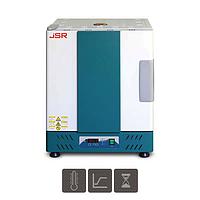
For temperature-sensitive materials, a low temperature process may be more appropriate. Models such as the DaiHan Ste020.P 18 Lit Compact Low Temp Plasma Sterilizer and the DaiHan DH.SteP8001 Low Temp Plasma Sterilizer are designed for applications where hydrogen peroxide based sterilization is preferred over high-temperature steam. Dry heat systems, including DaiHan SteD-17 and DH.SteD0005, are also relevant when moisture is undesirable and the load can tolerate elevated temperatures.
Steam autoclaves for routine laboratory sterilization
Steam autoclaves are widely used because they can handle many common lab tasks with repeatable cycle control. Typical applications include sterilizing stainless steel instruments, glass bottles, culture tools, and other reusable items that can withstand both pressure and elevated temperature.
Compact and mid-sized units are often selected for research labs, teaching labs, and QC environments where bench space matters. For example, the HIRAYAMA HVE 50 Autoclaves model offers a 50-liter chamber and sterilization temperatures up to 135℃, while DaiHan bench-top models such as the DH.SteB8001 25L and DH.SteB8002 40L provide automatic programs, vacuum-assisted operation, and process monitoring features that are useful in daily laboratory routines.
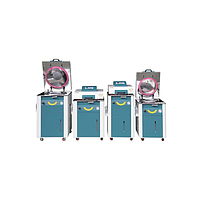
For larger loads, vertical and high-capacity autoclaves may be more suitable. Models such as the DaiHan DH.WACR3080P 80L and DH.WACR2100P 100L support laboratories that need greater throughput, especially when sterilizing baskets of instruments or bulk materials in repeated cycles.
Key features that matter when selecting an autoclave sterilizer
Capacity is one of the first things to review, but it should not be the only criterion. Chamber size, loading format, cycle type, maximum sterilization temperature, and the type of material being processed all affect whether a unit will fit your workflow. A small chamber may be efficient for individual instruments, while larger vessels are better suited to bottles, baskets, or high daily volume.
It is also worth comparing the level of automation and safety design. Features such as door interlock systems, pressure monitoring, programmable cycles, status displays, built-in record printing, and vacuum drying can simplify operation and help standardize routine sterilization. In practical terms, these functions can reduce operator error and make validation or recordkeeping easier in regulated environments.
- Capacity and chamber dimensions for your actual load size
- Sterilization method: steam, low temperature plasma, or dry heat
- Cycle control with preset and customizable programs
- Safety systems such as interlocks, over-temperature, and over-pressure protection
- Utility requirements including voltage, phase, and power consumption
Examples from the current product range
The available range covers several common sterilization scenarios. For standard steam sterilization, the DaiHan Ste90.F Front Door Steam Sterilizer offers a 90L chamber and automatic control, making it relevant for facilities that process larger instrument loads. The HIRAYAMA HVE 50 is a practical example of a compact steam autoclave with a space-saving format and programmable operation.
Where lower process temperatures are required, plasma sterilizers provide a different approach. The 18L DaiHan Ste020.P is suited to compact installations, while the 56L DH.SteP8001 addresses larger low temperature sterilization needs. If the application calls for dry heat instead of steam, the DaiHan SteD-17, DH.SteD0003 32L, and DH.SteD0005 50L show how the category also supports labs that need sterilization without moisture exposure.
For buyers comparing brands and broader product ecosystems, it can also be helpful to review available solutions from DaiHan and HIRAYAMA, both of which are represented in this category with equipment for different sterilization capacities and process types.
Operational and safety considerations in daily use
Even a well-specified sterilizer depends on proper loading and correct cycle selection. Steam must be able to circulate freely around the load, so instruments, bottles, and containers should not be packed too tightly. Overloading can reduce heat penetration and affect sterilization performance.
Routine checks are equally important. Operators should confirm water level where applicable, inspect seals and door condition, and monitor any alarms or error messages from the controller. On systems with vacuum or drying functions, stable performance of pumps, sensors, and locking mechanisms is essential for both process reliability and user safety.
In many labs, sterilization is only one part of a broader contamination-control workflow. Depending on the application, users may also need supporting items such as protective laboratory apparels or handling equipment to move heavier loads safely between preparation, sterilization, and storage areas.
How to choose the right model for your workflow
A simple way to narrow down the options is to start with the load type. If you mainly sterilize heat-resistant tools, glassware, and media, a steam autoclave is typically the first category to evaluate. If your materials are sensitive to high heat, low temperature plasma sterilization may be more suitable. For dry metal instruments or applications where moisture should be avoided, a dry heat sterilizer can be the better fit.
Then consider throughput and installation conditions. A 25L to 50L bench-top unit may be enough for small laboratories or departmental use, while 80L to 100L autoclaves are more relevant for centralized sterilization or heavier batch processing. Power supply, chamber access, footprint, and data recording requirements should all be reviewed before purchase, especially in laboratories with established SOPs or validation procedures.
Choosing with confidence
This category brings together sterilization equipment for several real-world laboratory needs, from compact bench-top steam units to larger autoclaves, low temperature plasma systems, and dry heat sterilizers. Rather than focusing only on chamber volume, it is best to match the sterilization method, safety features, and operating format to the materials you process every day.
If you are comparing models for routine lab work, research support, or controlled process environments, reviewing the intended load type and cycle requirements will usually lead to a better decision than choosing by size alone. A well-matched sterilizer supports cleaner workflows, safer handling, and more consistent results over time.
Get exclusive volume discounts, bulk pricing updates, and new product alerts delivered directly to your inbox.
By subscribing, you agree to our Terms of Service and Privacy Policy.
Direct access to our certified experts