Biomedical Low-temperature Storage Equipment
Reliable cold storage is a core requirement in laboratories, blood banks, clinics, and biomedical research environments where sample integrity depends on stable temperature control. This category brings together Biomedical Low-temperature Storage Equipment used for preserving blood products, biological samples, and temperature-sensitive materials under controlled conditions.
Within this range, users typically look for two practical storage directions: refrigerated storage in the 0-8°C range for blood and related materials, and cryogenic storage using liquid nitrogen for samples that require much lower temperatures. Choosing the right system depends on storage duration, sample format, capacity, handling workflow, and the level of monitoring or physical protection needed.
Storage needs in biomedical and laboratory environments
Cold storage in biomedical settings is not only about reaching a low temperature. It also involves maintaining temperature stability, supporting organized sample handling, and reducing the risk of loss during daily operation. In practice, the right equipment should match the type of stored material as well as the working pattern of the facility.
For example, blood bank refrigerators are commonly selected for controlled short- to medium-term storage at refrigerator temperatures, while liquid nitrogen containers are used for deep cryogenic preservation of biological materials. Facilities that also need supporting transport or handling tools may find related options in cart and trolley equipment, especially when moving storage vessels or laboratory supplies safely between work areas.
Blood bank refrigerators for controlled 0-8°C storage
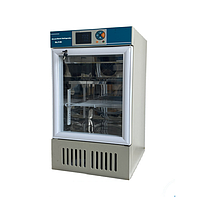
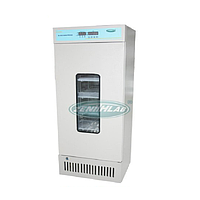
Blood bank refrigerators are designed for applications where a narrow refrigerated range is important for product quality and handling consistency. In this category, the Zenith Lab BLX series represents a practical selection for facilities with different space and volume requirements.
Smaller units such as the Zenith Lab BLX-50 and Zenith Lab BLX-80 are suitable when storage demand is limited or installation space is constrained. For larger workflows, Zenith Lab BLX-150 and the Zenith Lab BLX-250 provide higher storage capacity while remaining within the same 0-8°C operating range.
Across these models, buyers typically compare internal volume, temperature accuracy, cabinet footprint, and power requirements. That makes them relevant not only for blood storage applications, but also for laboratories that need dependable refrigerated storage for sensitive medical or research materials handled under routine access conditions.
Liquid nitrogen containers for cryogenic preservation
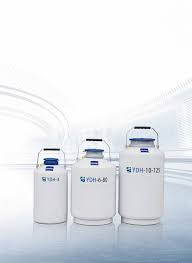
When samples must be held far below conventional refrigeration temperatures, liquid nitrogen containers become the appropriate storage solution. These vessels are commonly used for cryogenic storage of biological materials where long-term preservation and low evaporation performance are important operational considerations.
This category includes a broad cryogenic offering from Haier, from compact storage options such as the Haier YDS-6YS nitrogen tank to larger medical medium-sized storage containers. Depending on the model, users can select smaller vessels for lighter sample loads or larger containers such as Haier YDS-65-216-F, YDS-95-216, YDS-115-216, YDS-140-216-F, and YDS-175-216 when higher volume and organized canister-based storage are required.
Several of these Haier containers are built with features that support practical lab use, including aluminum construction, large neck openings, and compatibility with common cryogenic box formats. Some models are supplied with canisters and cryogenic box arrangements, while others are configured as storage vessels ready for a facility’s preferred internal organization method.
How to choose the right low-temperature storage equipment
A good starting point is to define the required storage temperature range. If the application is blood or similar material requiring controlled refrigeration, a blood bank refrigerator in the 0-8°C range is the natural fit. If the application involves cryogenic sample preservation, then a liquid nitrogen storage vessel is more suitable.
The second key factor is capacity. A compact refrigerator such as the Zenith Lab BLX-50 or BLX-80 may work well for smaller laboratories, while higher-throughput facilities may prefer the BLX-150 or BLX-250. In cryogenic storage, the same logic applies: a small tank like the Haier YDS-6YS serves a different role from medium-sized containers in the 65L to 175L range.
Buyers should also consider access pattern, container dimensions, and handling method. A vessel that is frequently moved may need compatible transport support, while high-sample-density storage may benefit from canister and box-based organization. If broader laboratory setup is part of the project, users may also review related laboratory apparels for personnel protection in cold-storage handling environments.
Comparing compact and medium-capacity options
Compact biomedical cold storage equipment is often selected for point-of-use operation, small departments, pilot labs, or backup storage. In this context, the Zenith Lab BLX-50 and BLX-80 provide refrigerator-based storage in smaller cabinet sizes, while the Haier YDS-6YS offers a small-format liquid nitrogen solution with a relatively light empty weight and manageable overall dimensions.
Medium-capacity systems are better suited to centralized storage or facilities that handle larger sample volumes. Haier models such as YDS-95-216-F, YDS-115-216-F, YDS-140-216-F, and YDS-175-216 move toward higher cryogenic storage capacity and longer normal working duration, making them more appropriate where storage density and operational continuity are more important than portability.
This distinction matters because the best choice is rarely about maximum size alone. In many biomedical workflows, the right balance comes from matching storage volume to actual sample turnover, refill routine, and floor-space constraints rather than selecting the largest available unit.
Manufacturer focus in this category
Two brands stand out in this range: Haier for liquid nitrogen storage and Zenith Lab for blood bank refrigerators. Each brand serves a different but complementary part of the biomedical cold storage landscape, which is useful for buyers building a storage system around multiple temperature levels.
Haier products in this category emphasize cryogenic storage formats with varied capacities, from small nitrogen tanks to larger medical storage containers. Zenith Lab models focus on refrigerated blood bank storage with several cabinet sizes and defined temperature control parameters, helping users choose according to practical volume and installation needs.
Typical applications and purchasing considerations
Biomedical low-temperature storage equipment is commonly used in blood banks, hospital laboratories, diagnostic facilities, research institutes, and sample preservation workflows. The exact application may differ, but the underlying purchasing priorities are usually the same: stable storage conditions, suitable capacity, manageable access, and equipment that fits the daily workflow of the site.
For procurement teams, it is also useful to think beyond the headline specification. Questions such as how often the unit will be opened, how samples are labeled and retrieved, whether the vessel needs to be relocated, and whether cryogenic accessories are needed can have a direct impact on long-term usability. Those practical details often determine whether a compact refrigerator, a small nitrogen tank, or a larger cryogenic container is the better investment.
Finding a suitable solution for your facility
This category covers both refrigerated blood bank units and liquid nitrogen storage vessels, making it relevant for organizations that manage different types of biomedical materials under different temperature requirements. From the Zenith Lab BLX refrigerator range to Haier cryogenic containers such as YDS-6YS, YDS-95-216, or YDS-175-216, the selection supports both small-scale and larger-capacity storage needs.
When evaluating options, focus on the storage method your samples actually require, then compare capacity, physical footprint, and operating workflow. A well-matched system will be easier to manage day to day and better aligned with the handling and preservation standards expected in biomedical environments.
Get exclusive volume discounts, bulk pricing updates, and new product alerts delivered directly to your inbox.
By subscribing, you agree to our Terms of Service and Privacy Policy.
Direct access to our certified experts