
Calorimeter
Reliable thermal analysis and heat-value testing are essential in materials research, fuel evaluation, quality control, and process development. A well-matched calorimeter helps laboratories measure heat flow, combustion energy, or thermal transitions with better repeatability, making it easier to compare samples, validate formulations, and support compliance workflows.
Within this category, users can find instruments suited to very different analytical tasks, from oxygen bomb calorimetry for fuels and coal to differential scanning calorimetry and related thermal analysis platforms used in polymers, chemicals, pharmaceuticals, and advanced materials. The right choice depends less on brand alone and more on sample type, temperature range, atmosphere control, automation level, and the kind of data your lab needs to generate.
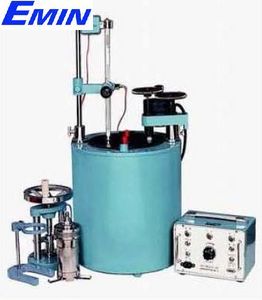
Where calorimeters are used in modern laboratories
Calorimetry is broadly used wherever heat changes reveal something important about a material or process. In fuel and energy testing, oxygen bomb calorimeters are commonly selected to determine calorific value for coal, solid fuels, or other combustible samples. In R&D and materials characterization, DSC and related instruments help analyze melting, crystallization, curing behavior, oxidation, and thermal stability.
These measurements support both routine laboratory work and more specialized investigations. A production lab may focus on fast, repeatable test cycles, while a research environment may prioritize programmable heating rates, gas switching, and integration with broader laboratory equipment workflows. Even when the application is highly specific, the core goal remains the same: capture meaningful heat-related data under controlled conditions.
Main calorimeter types in this category
This category covers more than one instrument family, so it helps to separate combustion calorimetry from thermal analysis calorimetry. Oxygen bomb calorimeters are designed for combustion-based measurement of heat value. They are widely used in fuel labs because they provide a controlled environment for determining the energy released by a sample.
By contrast, differential scanning calorimeters and synchronous thermal analyzers are used to observe how a sample responds to a programmed temperature profile. These systems are better suited to studying phase transitions, reaction enthalpy, decomposition behavior, and other heat-flow events that occur during heating or cooling. If your work extends beyond energy content into material behavior, instruments from NETZSCH or Bonnin may be more relevant than a bomb calorimeter alone.
Typical instrument examples and what they are suited for
For advanced thermal analysis, the NETZSCH DSC 300 Caliris Select with P module is an example of a dynamic heat flow differential scanning calorimeter built for controlled heating and cooling programs, gas-tight operation, and work across different atmospheres. In the same broader analytical space, the NETZSCH TG 309 Libra Classic Thermogravimetric Analysis shows how some laboratories combine mass-loss analysis with calorimetric methods when they need a fuller picture of thermal behavior.
For combustion energy testing, Samyon offers practical oxygen bomb options such as the Samyon XRY-1A+ Automatical Oxygen Bomb Calorimeter and the Samyon XRY-1C Automatical Oxygen Bomb Calorimeter. These are more aligned with routine calorific value determination, automated test sequences, and consistent operation in fuel testing environments. Bonnin products such as the DSC-600, DSC-600-II, and STA300 illustrate another route for labs that need heat-flow analysis, temperature programming, and atmosphere control for material characterization.
Some users also work in highly application-specific areas. Falex equipment in this category, including systems related to thermal oxidation stability of jet fuel, reflects how heat-related testing can be part of a larger fuel performance and stability assessment workflow rather than a single standalone measurement.
How to choose the right calorimeter
The first question is what you are actually measuring: heat of combustion, heat flow during thermal events, or a combined thermal response that may include weight change and atmosphere effects. That decision immediately narrows the shortlist. Fuel, coal, and combustible solids often point toward oxygen bomb calorimeters, while polymers, pharmaceuticals, resins, and inorganic materials are more likely to require DSC or thermal analysis systems.
Next, look at the operating envelope. Temperature range, heating rate, cooling performance, gas handling, and sample capacity all influence whether an instrument fits your application. Labs running high-throughput routine tests may prioritize automation, short cycle times, and straightforward calibration. Research teams often care more about flexibility, sensitivity, and software support for comparing multiple test curves or handling more complex temperature programs.
It is also worth considering the surrounding bench setup. Sample preparation, handling safety, and transport can affect day-to-day efficiency, so some labs pair calorimetry stations with practical accessories such as lab carts and trolleys to move consumables, cylinders, or support tools more safely within the workspace.
Important performance factors to compare
When comparing models, focus on parameters that affect real measurement quality rather than only headline numbers. For combustion systems, repeatability, pressure resistance, temperature resolution, and test period are often more meaningful than a long specification list. For DSC and related thermal analyzers, key factors include baseline stability, heating and cooling rate control, atmosphere options, and the ability to maintain accurate temperature calibration over time.
Software and automation also matter. Features such as automatic test sequencing, digital data export, curve comparison, and calibration support can reduce operator workload and improve consistency between runs. In a B2B environment, this often has a direct impact on throughput, documentation quality, and operator training requirements.
Manufacturer landscape in this category
Different brands in this category align with different laboratory priorities. Samyon is relevant for oxygen bomb calorimetry and routine heat-value determination, especially where users want automated operation for fuel-related testing. NETZSCH is closely associated with thermal analysis platforms used in laboratories that need controlled and detailed characterization of material behavior across temperature programs.
Bonnin expands the category with DSC, TGA, and synchronous thermal analysis options that can be useful for labs seeking a broader analytical toolkit. Falex appears where thermal behavior intersects with fuel stability testing. Although IKA is listed among the key manufacturers, selection should always be based on the specific analytical method your process requires rather than on brand familiarity alone.
Applications by industry and lab function
In the energy and mining sectors, calorimeters are commonly used to determine the calorific value of coal and other fuels for purchasing, classification, and quality control. In chemical and materials laboratories, DSC and related systems support formulation work, incoming material inspection, and failure analysis by revealing how samples respond to controlled thermal conditions.
Pharmaceutical and polymer labs often use thermal analysis to study transitions and stability during development. In aviation fuel testing and related sectors, thermal oxidation stability testing can be part of a broader quality assurance program. Because these applications differ significantly, choosing a calorimeter should start with the test method and reporting requirement, then move to instrument features.
Finding a practical fit for your workflow
A good calorimeter is not simply a device with a suitable temperature range or display. It should fit the sample types you actually run, the standards or procedures your lab follows, and the level of automation your team needs. For some buyers, that means a straightforward bomb calorimeter for routine combustion analysis. For others, it means a DSC or synchronous thermal analyzer capable of supporting deeper research and more varied sample behavior.
Use this category to compare available options from NETZSCH, Samyon, Bonnin, and Falex according to measurement principle, application focus, and laboratory workflow. A careful match between method and instrument will usually deliver better long-term value than choosing on specifications alone.
Get exclusive volume discounts, bulk pricing updates, and new product alerts delivered directly to your inbox.
By subscribing, you agree to our Terms of Service and Privacy Policy.
Direct access to our certified experts

