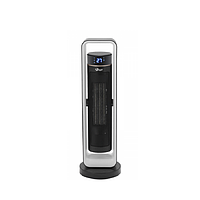
Dryer, heater
Controlled heating is a basic requirement in many workspaces, from laboratories and sample handling areas to utility rooms and light industrial environments. When choosing equipment for this purpose, buyers usually look for a practical balance between heat output, operating safety, size, and ease of installation. This is where the Dryer, heater category becomes useful, bringing together heating solutions that support day-to-day temperature management in professional settings.
Within this range, users can compare portable electric heaters and oil-filled radiators for different room sizes and operating preferences. The category is especially relevant for organizations that need straightforward heating equipment for work areas, temporary setups, support rooms, or general indoor use without overcomplicating the selection process.
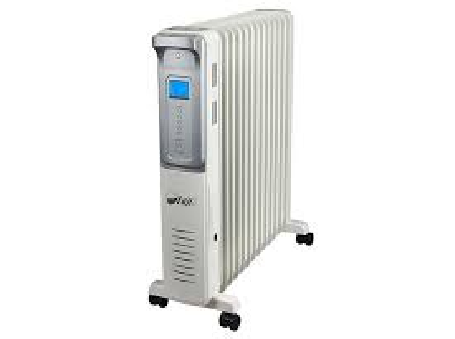
Heating solutions for laboratories and professional environments
In a broader laboratory equipment ecosystem, heating devices are often used to maintain a more stable and comfortable environment around personnel, instruments, or support spaces. While they are not a substitute for dedicated process heating systems, portable heaters and radiators can be a practical addition where localized warmth or supplemental room heating is needed.
This category includes equipment suited to indoor applications where users value compact form factors, adjustable power settings, and common electrical compatibility such as 220V or 220-240V operation. For buyers building out a more complete workspace, related tools such as carts and trolleys may also help with moving equipment safely between rooms or workstations.
Oil-filled radiators and ceramic heaters: how they differ
Two common product types appear in this category: oil-filled radiators and ceramic heaters. Each serves a different use case, so understanding the difference can help narrow the shortlist faster.
Oil-filled radiators are typically chosen when users want steady, more gradual heating with a radiator-style format. Models such as the FUJIE OFR7913, FUJIE OFR7813, FUJIE OFR4709, and FUJIE OFR6511 illustrate this type of solution, with multiple power levels and a design that is well suited to room-based heating. Some options also include wheels, which makes repositioning easier in offices, lab support zones, and similar indoor areas.
Ceramic heaters, by contrast, are often selected for quicker warm-air delivery and a more compact footprint. Examples in this category include the FUJIE CH-2400, FUJIE CH-2300, FUJIE CH-1600RM, and FUJIE CH-202 series. These units are useful where buyers need portable electric heating with selectable power levels, timer functions on certain models, and features intended to support safe day-to-day operation.
Representative products in this category
The current product mix is strongly represented by FUJIE, with several heater formats covering different capacity ranges. For buyers who prefer a radiator design, the FUJIE OFR7913 and FUJIE OFR7813 offer three power levels up to 2200W and adjustable temperature settings, making them relevant for users who want flexible control over room heating.
Where a more compact ceramic format is preferred, the FUJIE CH-2400 and CH-2300 provide up to 2200W output with timer functionality. Smaller portable units such as the FUJIE CH-202 Blue Ceramic Mini Heater or CH-202 Red Ceramic Heater can fit applications where space is limited and lower power settings, such as 500W or 1000W, are sufficient.
Some models in the range also highlight practical features such as overheat protection, tilt-related shutoff behavior, remote control on selected units, and oscillation to distribute heat more evenly. Rather than focusing only on wattage, these details often influence real-world usability in shared professional spaces.
Key factors when selecting a dryer or heater
A good selection process starts with the intended installation area. Room size, insulation quality, airflow, and how often doors are opened all affect the actual heating requirement. Higher-power units may be better for larger or more exposed spaces, while compact ceramic heaters can be enough for deskside, bench-adjacent, or temporary working zones.
It is also important to compare control and safety features. Adjustable power modes, thermostat settings, timers, and overheat protection can improve both convenience and operational confidence. In professional settings, these functions matter because equipment may run for long periods or be used by multiple operators across different shifts.
Mobility is another practical criterion. Oil-filled radiators with wheels are easier to relocate, while tower-style ceramic heaters can save floor space. If the equipment needs to be moved frequently together with other supplies, nearby categories such as apparels and handling accessories may also be relevant in the broader facility setup.
Why power range and heating style matter
Products in this category cover several common power brackets, including 500W, 1000W, 1500W, 2000W, 2200W, and up to 2500W on selected radiator models. A broader power range gives users more flexibility to adapt energy use to changing ambient conditions rather than operating at full output all the time.
The heating style also affects user experience. Oil-filled radiators are often preferred when the goal is more even, sustained warmth. Ceramic heaters are often chosen when a faster response is needed, for example when heating a room quickly at the start of a shift. Matching the heating style to the application can be more useful than comparing headline power values alone.
Brand context and category scope
Although the visible products here are centered mainly on FUJIE, the category context also sits alongside heating-related brands such as Trotec and Labstac. This helps buyers understand that the category supports a wider professional procurement need rather than a single product type or one narrowly defined use case.
For B2B purchasing teams, that wider view is useful because heating equipment is often only one part of a larger order. In many projects, it is selected together with transport accessories, utility tools, or other general laboratory support equipment, depending on how the workspace is being set up or upgraded.
Practical buying guidance for B2B users
Before ordering, it is worth confirming the electrical standard, installation location, preferred heater format, and whether portability is required. If the unit will be used in a shared environment, controls should be simple enough for routine operation and clear enough to reduce setup errors between users.
Buyers should also consider whether they need a compact heater for occasional spot heating or a larger radiator for longer operating periods. A model such as the FUJIE OFR379 or OFR4709 may suit users who prefer a traditional radiator approach, while the CH-1600RM or CH-2400 may fit users looking for compact forced-air heating with added control features.
Choosing the right option for your workspace
The right product in the Dryer, heater category depends less on brand count and more on application fit. Comparing heater type, power levels, safety functions, timer options, and mobility will usually lead to a better long-term choice than selecting by wattage alone.
For laboratories, technical rooms, offices, and support areas that need dependable supplemental heating, this category provides a practical starting point. By focusing on the actual room conditions and daily usage pattern, buyers can identify a solution that is easier to operate, easier to place, and better aligned with the way the workspace is used.
Get exclusive volume discounts, bulk pricing updates, and new product alerts delivered directly to your inbox.
By subscribing, you agree to our Terms of Service and Privacy Policy.
Direct access to our certified experts