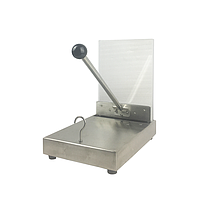
Extractor
Reliable sample preparation often depends on how consistently compounds can be separated, concentrated, or isolated before analysis. In practical laboratory workflows, extraction equipment helps improve repeatability, reduce operator-dependent variation, and support cleaner downstream results in applications ranging from environmental testing to pharmaceutical and life science work.
Extractor systems in this category cover several laboratory extraction approaches, including solid phase extraction, nucleic acid extraction, supercritical CO2 extraction, and heated extraction setups used in classical analytical procedures. Instead of treating extraction as a single process, it is more useful to evaluate these systems by sample type, throughput, solvent compatibility, level of automation, and the demands of the target method.
Why extraction equipment matters in modern laboratories
Extraction is a critical step in many analytical and preparative workflows because it affects both recovery and reproducibility. Manual methods can still be suitable in some cases, but as sample loads increase and regulatory methods become stricter, laboratories often need better control over parameters such as flow rate, pressure, temperature, timing, and solvent handling.
This is where automated extraction and purpose-built extraction systems become valuable. They help standardize procedures, reduce direct exposure to solvents or biological samples, and make it easier to process batches with more consistent results. For teams working in QC, R&D, environmental analysis, or routine testing, this usually translates into higher throughput and less rework.
Main extraction technologies covered in this category
The range includes systems built for different principles rather than one universal format. For liquid and environmental sample preparation, solid phase extraction platforms are a major part of the selection. Examples from LabTech include the LabTech WSPE Solid Phase Extraction (SPE), the Extrapid PFAS Free manual SPE system, and automated platforms such as the Extrapid, SPE2000, and AutoEmpore for laboratories that need more controlled and higher-throughput workflows.
For life science applications, the ESCO SWT-EXT-32 Automated Nucleic Acid Extraction System is designed around magnetic bead-based processing, which is relevant for molecular biology and diagnostic sample preparation. In another direction, the SFT SFT-120 Benchtop Supercritical Carbon Dioxide Extractors support supercritical fluid extraction, where pressure and temperature control are central to extraction performance. Heated extraction equipment, such as selected Cole parmer MacroKjeldahl extraction heaters, serves workflows that require sustained high-temperature operation in classical laboratory methods.
Benefits of moving from manual to automated extraction
A common reason for upgrading is the need for better repeatability. In manual extraction, results can shift because of operator technique, inconsistent timing, uneven heating, or unstable vacuum and flow conditions. Automated systems are designed to manage these variables more precisely, helping laboratories maintain method consistency across operators and batches.
Another advantage is productivity. Systems such as the LabTech SPE2000 can handle larger numbers of samples with automated monitoring and solvent management, while compact automated options help smaller labs reduce hands-on time without overcomplicating the workflow. This is especially relevant when extraction is only one step in a larger process that may also involve heating, mixing, or post-extraction handling with related laboratory blending equipment.
How to choose the right extractor for your application
The most important starting point is the sample matrix and analytical objective. A laboratory processing water samples for trace contaminants may prioritize SPE cartridge and disk compatibility, PFAS-free wetted materials, and method alignment with EPA 533 or 537. In that context, systems such as the LabTech Extrapid PFAS Free manual SPE system or LabTech AutoEmpore can be more relevant than a general-purpose extractor.
If the workflow involves DNA or RNA preparation, the decision criteria change significantly. Throughput per run, decontamination features, consumable format, and temperature control become more important than solvent handling. For thermally intensive methods, heated extraction hardware with multiple positions may be the practical choice, particularly where parallel processing and robust stainless-steel construction are needed.
It is also worth checking whether the lab needs manual, semi-automated, or fully automated operation. Throughput, sample volume range, compatibility with cartridges, disks, vessels, or collection tubes, and ease of method setup all affect long-term usability. In regulated or busy labs, these factors can matter as much as the extraction principle itself.
Examples of extraction systems in this category
Among the most application-focused options are LabTech SPE systems for routine and advanced sample preparation. The LabTech WSPE offers a practical solid phase extraction setup with solvent-resistant construction and tube flexibility, while the Extrapid Automated Solid Phase Extraction (SPE) System is designed to simplify valve control, sample handling, and reproducible flow management. For higher sample counts, the LabTech SPE2000 expands capacity and supports broader solvent and rack management.
The ESCO SWT-EXT-32 addresses a very different need by automating nucleic acid extraction for up to 32 samples using magnetic bead-based reagents. For supercritical extraction, SFT provides a benchtop solution with pressure and temperature control suited to CO2-based extraction workflows. In more traditional analytical heating applications, selected Cole parmer extraction heaters support multi-position operation for MacroKjeldahl-type laboratory processes, while VELP accessories such as the VELP 10001140 Condenser FIWE fit into specialized extraction assemblies.
Key selection factors for B2B purchasing teams
For procurement, QA, and lab managers, choosing extraction equipment is not only about the instrument itself. It is also about matching the system to expected sample volumes, operator skill level, maintenance requirements, and the surrounding lab environment. If the process involves solvents, ventilation planning and safe handling procedures should be considered together with the instrument choice and appropriate lab protective apparel.
It is equally important to assess consumable compatibility and future scalability. A platform that works with common cartridge sizes, collection formats, or interchangeable vessels can reduce disruption when methods evolve. Where uptime and repeatability are priorities, features such as automatic rack recognition, real-time monitoring, stable temperature control, and corrosion-resistant wetted parts can provide practical long-term value.
Choosing by workflow, not just by product name
Because this category includes several extraction principles, the best approach is to define the workflow first: what sample is being processed, what target compounds are being isolated, how many samples must be handled per day, and how much operator intervention is acceptable. From there, it becomes easier to narrow the choice between SPE systems, nucleic acid extraction platforms, supercritical CO2 extractors, or high-temperature extraction heaters.
A well-matched extractor can improve analytical confidence, streamline routine preparation, and support safer daily operation. Whether the requirement is PFAS-oriented SPE, molecular extraction, benchtop supercritical processing, or classical heated extraction, this category brings together equipment designed to support more controlled and efficient laboratory work.
Get exclusive volume discounts, bulk pricing updates, and new product alerts delivered directly to your inbox.
By subscribing, you agree to our Terms of Service and Privacy Policy.
Direct access to our certified experts