Heating plates, Hotplate
Consistent surface heating is a basic requirement in many laboratories, yet the right setup can vary widely depending on sample volume, temperature range, chemical exposure, and how tightly the process needs to be controlled. This category brings together heating plates and hotplates used for routine warming, digestion, evaporation, sample preparation, and other temperature-dependent bench workflows.
From compact digital units for day-to-day laboratory use to larger corrosion-resistant plates for demanding applications, the selection here is suited to users who need dependable heat transfer, practical safety functions, and a format that matches their working space. For laboratories handling open vessels, beakers, flasks, or trays, choosing the right heating surface and control method makes a clear difference in repeatability and operator safety.
Where hotplates and heating plates are used
These systems are commonly used when direct, stable heating is needed without the complexity of a larger thermal process unit. Typical tasks include solvent evaporation, gentle warming of reagents, sample digestion, preheating glassware, and maintaining process temperature during analytical preparation steps.
In many labs, a hotplate becomes part of a wider preparation workflow that may also involve safe handling accessories and adjacent bench tools. When flame-based heating is more appropriate for a specific method, users may also review burner and torch equipment to compare the most suitable heat source for the procedure.
Key differences within this category
Not every laboratory heating surface is built for the same task. Smaller bench hotplates are often selected for routine use with individual vessels, while larger plates are better suited to broad-area heating, multiple containers, or applications where higher throughput is required.
Control style is another major difference. Models with PID temperature control are generally preferred when stable regulation and better repeatability matter, while simpler switch-based control may be acceptable for less critical warming tasks. Surface geometry also matters: round plates can suit individual vessels well, while square formats often provide more usable area for general laboratory handling.
Representative product formats in this range
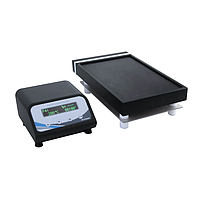
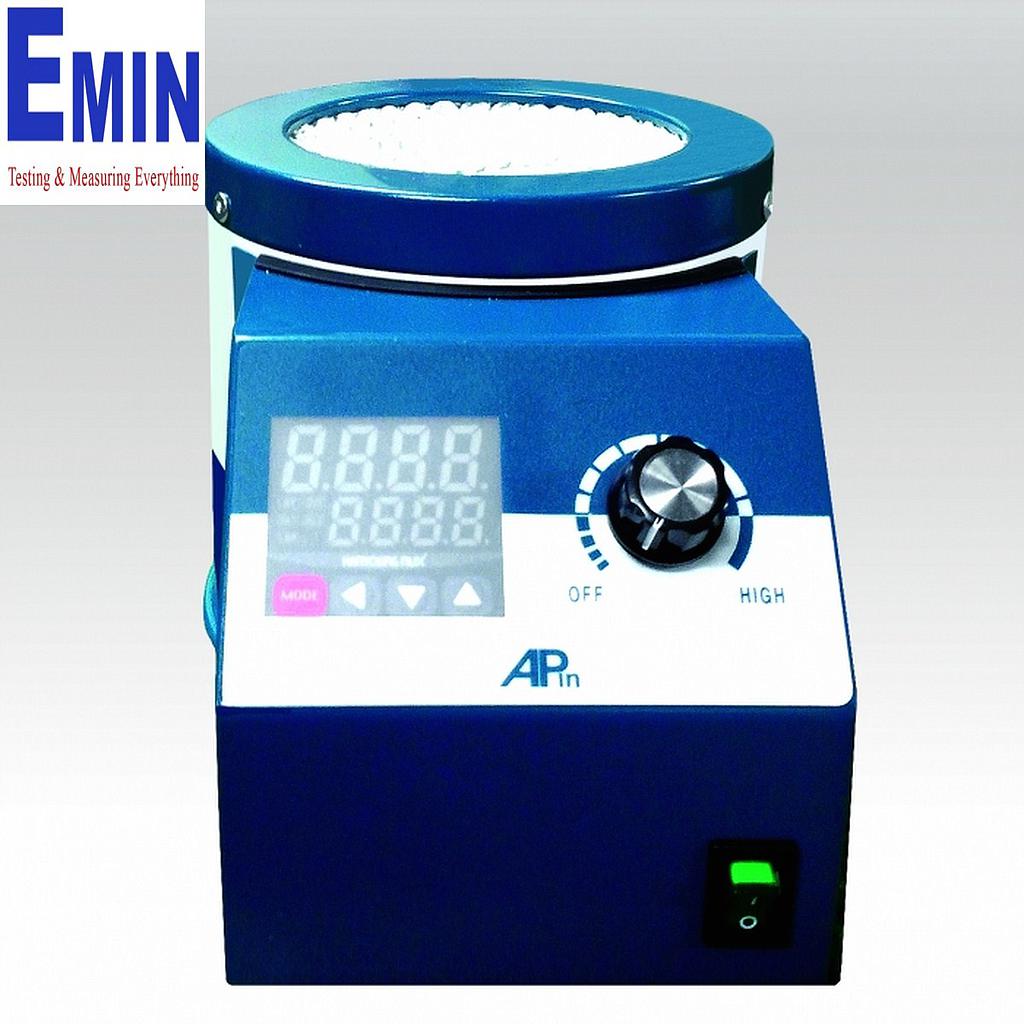
Compact digital models from JEIOtech illustrate the bench-top side of this category. Products such as the JEIOTECH T-14SG Hotplate and JEIOtech T-18QG Hotplates are designed for controlled heating up to 350°C, with digital display resolution, timer functionality, and built-in protection features that support routine lab work. Their round and square plate options help users match vessel size and workspace layout.
For broader heating surfaces and more demanding chemical environments, LabTech models such as the EG35B, EG37C, EG37B, and EG20B represent another useful format. These units offer large heating areas, high power output, and different surface materials including graphite, PTFE-coated graphite, stainless steel, and coated aluminum alloy, making them relevant for applications where corrosion resistance or large-area heat distribution is important.
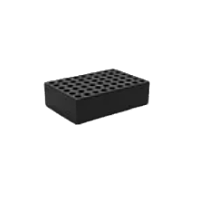
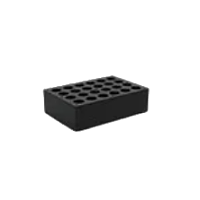
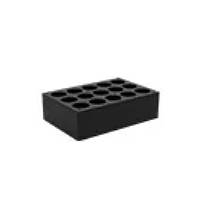
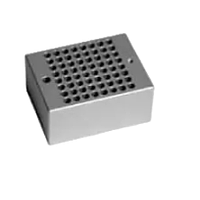
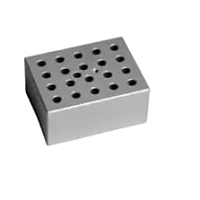
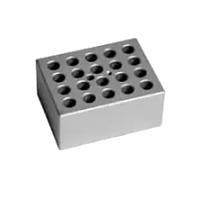
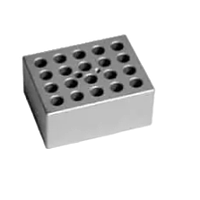
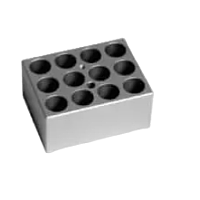
Some users may also compare hotplates with dedicated block-style heating systems depending on tube format and temperature uniformity requirements. For example, JEIOTECH CHB-350T and CHB-350S heating blocks are more specialized for block-based sample handling rather than open-surface vessel heating.
How to choose the right hotplate
A practical selection starts with the required temperature range. In this category, some units are intended for moderate laboratory heating, while others reach around 350 to 370°C. If the process involves aggressive chemicals, corrosive fumes, or repeated exposure to spills, the top plate material becomes just as important as the maximum temperature.
Surface material affects durability and compatibility. Ceramic-coated aluminum can be a good fit for general laboratory work, while graphite or PTFE-coated graphite may be chosen when chemical resistance is a higher priority. Stainless steel surfaces are also relevant where robustness and ease of cleaning are valued. Users should also consider plate size, load capacity, available bench space, and whether digital feedback control is necessary for the method.
If workflow involves moving heavy vessels or larger heated trays between stations, related bench logistics may matter as well. In those cases, a look at laboratory carts and trolleys can help support safer material handling around the hotplate area.
Safety and control features that matter in practice
Laboratory hot surfaces always require attention to operator safety. Many of the products listed here include practical functions such as hot-top warning indication, over-temperature protection, and over-current protection. These features are especially useful in shared lab environments where multiple users may interact with the equipment during the day.
Digital display and timer functions also improve process control. On compact JEIOtech units, for example, users benefit from readable temperature indication and timed operation that can reduce manual supervision for routine heating steps. In larger systems, stable electronic control can help maintain more predictable heating behavior over longer run times.
Matching the equipment to the laboratory environment
Benchtop hotplates are not chosen in isolation. They need to fit the sample format, available ventilation, cleaning practice, and surrounding equipment. A quality setup should allow enough room for vessel placement, safe access, and cooling after use, especially when the plate surface remains hot even after heating stops.
For laboratories where heated samples are transferred, mixed, or prepared alongside other tools, the surrounding workstation matters. Depending on the application, users may also coordinate heating equipment with nearby preparation devices such as a laboratory blender when the workflow includes homogenization before or after heating.
Brands commonly considered in this category
This category includes products from manufacturers widely recognized in laboratory equipment selection, including JEIOtech and LabTech among the representative examples shown above. The broader manufacturer landscape also includes names such as IKA, Cole parmer, Anton Paar, HACH, SI ANALYTICS, Yamato, Aqualabo, and Benchmark, giving buyers a wider context when comparing heating solutions across laboratory applications.
In practice, the best choice depends less on brand name alone and more on how well the equipment matches the heating task, temperature stability expectations, plate material preference, and operating routine of the lab.
Final considerations before purchase
When selecting Heating plates, Hotplate equipment, it helps to focus on the application first: vessel type, target temperature, chemical exposure, and whether the process is routine or method-critical. From there, plate size, control method, safety protections, and surface material can be narrowed down with much more confidence.
A well-matched hotplate supports safer daily operation and more consistent sample handling over time. Whether the priority is a compact digital laboratory hotplate or a larger corrosion-resistant heating surface, this category provides a practical starting point for comparing suitable options for your lab.
Get exclusive volume discounts, bulk pricing updates, and new product alerts delivered directly to your inbox.
By subscribing, you agree to our Terms of Service and Privacy Policy.
Direct access to our certified experts