
Bottles
Reliable liquid handling starts with the right container. In laboratories, workshops, and production support areas, bottles are used not only for storage but also for dosing, transferring, collecting, and protecting liquids across daily operations. Choosing the correct bottle type helps improve workflow, reduce contamination risk, and support safer handling of solvents, oils, reagents, and service fluids.
This Bottles category brings together a practical range of labware and related liquid-handling containers for technical users. Depending on the task, that may include dispensing bottles for controlled application, bottles used with flux or service liquids, and specialty chemical-resistant formats that fit into broader laboratory and maintenance environments.
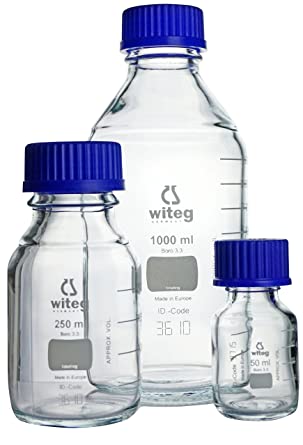
Where bottle selection matters in technical environments
In many settings, a bottle is more than a simple container. It may be used for temporary storage, repetitive dispensing, sample preparation support, or transferring fluids between equipment and process steps. The required bottle design depends on what is being handled, how frequently it is used, and whether precision, cleanliness, or chemical compatibility is the main priority.
For example, electronics work often relies on compact dispenser bottles for flux, IPA, or cleaning liquids, while laboratory users may need chemically resistant vessels for more demanding media. In maintenance applications, larger containers with pouring spouts or collection functions help operators manage oils and service fluids more efficiently.
Common bottle types found in this category
The range typically covers several practical use cases rather than one single bottle design. Liquid dispenser bottles are suited to controlled, repeatable application of small volumes, especially where operators want one-handed use and reduced waste. Flux bottles serve a similar purpose in soldering and electronics assembly, helping apply fluid exactly where needed.
Other products associated with this category may include oil cans, drain containers, and specialty flasks when they support the broader function of handling liquids safely. For users working with more aggressive chemicals or higher-purity processes, materials such as PFA can be relevant because they are commonly selected for strong chemical resistance and clean handling characteristics.
If your process also requires sealing or joining materials around bottle-based workflows, related categories such as adhesives may be useful to review alongside container selection.
Representative products and how they fit real tasks
Several products in this category illustrate how bottle formats support different operational needs. The Pro'skit MS-035 Flux Bottle is intended for small-volume fluid application in electronics work, while the Pro'skit MS-006 and MS-004 liquid dispenser bottles provide compact options for controlled dispensing in bench-level service and assembly environments. These are practical examples when operators need portability, direct application, and simple refill handling.
For larger-volume fluid transfer, the YATO YT-06985 5L oil can with pouring spout is more aligned with service and maintenance tasks where fluid needs to be poured cleanly into equipment. At the other end of the spectrum, VITLAB PFA round flasks such as VI.1077.97, VI.1078.97, and VI.1079.97 show how specialized vessels support laboratory work requiring strong material compatibility and more controlled chemical handling.
Where fluid collection is part of the job, TOPTUL waste oil drain models such as JJCZ0180J and JJCZ0180E highlight the broader ecosystem around liquid containment. Although they differ from bench bottles in function, they are relevant when operations include draining, transferring, and managing used liquids rather than only storing fresh media.
How to choose the right bottle for your application
The first step is to define the liquid type and handling method. A bottle used for flux, cleaning solvent, lubricant, or laboratory reagent may need different body materials, cap styles, and dispensing mechanisms. Small bench-use bottles are often chosen for accuracy and convenience, while larger containers are selected for throughput and easier transfer.
Next, consider volume, ergonomics, and refill frequency. A compact 4 oz or 6 oz dispenser bottle may be ideal for routine workstation tasks, whereas a 5-liter oil can better suits replenishment or maintenance work. In laboratory settings, neck configuration and compatibility with accessories can also influence the final choice.
Chemical resistance should not be overlooked. When handling aggressive media or when product purity matters, users often evaluate vessel material carefully. For adjacent workflows involving solvent transfer, a bottle top solvent pump may also be worth considering as part of a more complete liquid-handling setup.
Material and compatibility considerations
Material compatibility has a direct impact on safety, service life, and process consistency. PE bottles are commonly used for practical dispensing and general fluid handling, while specialty materials such as PFA are preferred in more demanding chemical applications. The right choice depends on whether the bottle is exposed to solvents, oils, corrosive chemicals, or repeated cleaning cycles.
It is also important to consider whether the bottle will be squeezed, poured, pressurized indirectly through use, or simply used as a storage vessel. Closure style, spout design, and resistance to deformation all affect day-to-day performance. For technically demanding applications, selecting by intended media and operating routine is usually more reliable than selecting by size alone.
Brands such as VITLAB and Proskit represent two different but complementary ends of this category: specialty lab vessels and practical dispensing bottles for technical workstations.
Typical users and working environments
This category is relevant to a wide range of B2B users, including laboratories, electronics assembly teams, maintenance departments, production support technicians, and service workshops. In a lab, bottles may support reagent preparation, temporary storage, or transfer between instruments and glassware. In electronics benches, they are often used for flux, cleaning liquids, or small-volume consumables.
Maintenance teams, meanwhile, may prioritize robust containers for oils and used-fluid handling. That is why bottle selection often sits at the intersection of labware, consumables, and service tooling rather than belonging to only one narrow use case. Users building a complete handling setup may also explore related storage options such as bags for broader sample or consumable management.
Choosing with long-term use in mind
When comparing options, it helps to think beyond immediate capacity requirements. Reusability, ease of cleaning, dispensing control, and suitability for the actual working fluid will usually matter more over time than a small difference in bottle size. For teams that standardize tools across benches or labs, consistent bottle formats can also improve handling habits and reduce mistakes during refilling or transfer.
A well-matched bottle supports cleaner workflows, better operator control, and more dependable liquid management across routine tasks. Whether the need is a compact dispenser bottle, a specialty flask, or a larger fluid-handling container, this category provides practical options for users who need containers that match real technical applications rather than generic storage alone.
Get exclusive volume discounts, bulk pricing updates, and new product alerts delivered directly to your inbox.
By subscribing, you agree to our Terms of Service and Privacy Policy.
Direct access to our certified experts