
Dishes & Plate
Small handling vessels often make a bigger difference in daily lab work than their simple form suggests. In sample preparation, microbiology, evaporation, weighing, and general bench procedures, the right Dishes & Plate format helps improve cleanliness, handling efficiency, and workflow consistency across routine tasks.
This category brings together practical labware used for holding, transferring, exposing, or processing samples in open and semi-covered formats. Depending on the material and geometry, these items may be used for culture-related work, temporary sample staging, solvent evaporation, or general laboratory handling where a compact, shallow vessel is more suitable than a bottle or beaker.
Where dishes and plates fit in the lab
Compared with deeper containers, dishes and plates provide easy access to the sample surface. That makes them useful when operators need to observe material directly, spread a sample, allow evaporation, or handle small quantities without the constraints of a narrow opening.
In many labs, these products support routine steps rather than standalone processes. They are commonly selected for bench organization, short-term holding, surface treatment, residue collection, or preparation tasks that sit alongside other labware such as bowls and dispensing accessories like a bottle top solvent pump.
Typical product types in this category
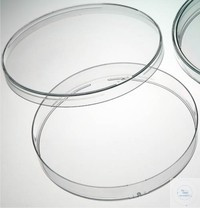
The category includes several vessel styles with different roles in laboratory environments. A petri dish is generally chosen when a shallow, circular format is needed for culture work, observation, or controlled sample placement. A basin or tray-style item is more suitable when tools, samples, or materials need to be staged, rinsed, or moved across the bench.
Evaporating dishes serve a different purpose, especially in analytical and preparation workflows where solvents must be driven off or residues concentrated. Material selection matters here: glass, plastic, stainless steel, or nickel-based constructions may be preferred depending on chemical compatibility, thermal exposure, cleaning requirements, and the nature of the sample.
Representative products available
Examples in this category include petri dish formats such as DaiHan C9.1223 Dish petri s/t 60*20, DaiHan C9.1224 Dish petri s/t 75*20, DaiHan C9.1226 Dish petri s/t 90*20, and DaiHan C9.1227 Dish petri s/t 120*20. These size variations help laboratories align vessel diameter with inoculation area, observation needs, or sample volume during routine microbiology and general handling work.
For stainless steel handling applications, products such as DaiHan C9.3320 Basin stainless steel, L200mm, DaiHan C9.3340 Basin stainless steel, L250mm, and DaiHan C9.3360 Basin stainless steel, L300mm support cleaning, staging, and transfer tasks where durability and repeated reuse are important. For evaporation-related work, Bochem models including BC.8060, BC.8062, BC.8065, BC.8041, and BC.8042 illustrate the role of shallow metal dishes with or without lids in controlled heating or concentration procedures.
How to choose the right dish or plate
A practical selection starts with the intended laboratory task. If the priority is culture observation or sample spreading, dimensions and stackability may be more relevant than thermal resistance. If the vessel will be exposed to heat or aggressive chemicals, the focus shifts toward material compatibility, structural stability, and whether a lid is required.
Shape and depth also influence usability. A wider dish increases exposed surface area, which can support evaporation or easier manual access, while a more compact format helps when bench space is limited or when small sample volumes are handled repeatedly. For workflows involving temporary storage or transport of components, users may also compare these items with laboratory bags depending on whether rigidity or containment is more important.
Material considerations for different applications
Material compatibility is often the deciding factor in B2B purchasing. Plastic petri dishes are commonly chosen for routine use where convenience, visibility, and disposability may be priorities. Stainless steel basins are valued for mechanical robustness and repeated cleaning in busy lab environments. Nickel evaporating dishes, as represented by Bochem options, are more application-specific and may be relevant where the working process demands a metal vessel suitable for evaporation tasks.
It is also important to consider how the vessel interacts with cleaning agents, sample residues, heating methods, and handling tools. Even within the same category, a dish intended for microbiology should not automatically be treated as interchangeable with a dish intended for thermal concentration or chemical preparation.
Brands and sourcing considerations
This category may include products from established labware manufacturers such as DaiHan and Bochem, alongside broader labware brands listed across the platform. In practice, brand preference is often driven by application fit, material consistency, supply continuity, and compatibility with existing laboratory procedures rather than by brand name alone.
For procurement teams, it is useful to review not only item dimensions but also whether the product is intended for general handling, culture work, or evaporation. That distinction helps reduce specification mismatches and supports more reliable purchasing for research labs, industrial QC, education, and process-support environments.
Using dishes and plates within a broader labware workflow
Dishes and plates are rarely purchased in isolation. They usually form part of a broader bench setup that may include transfer tools, storage formats, and supporting consumables. In some workflows, complementary items such as adhesives may also be relevant for labeling, sealing, or sample identification, depending on the procedure.
Thinking in terms of workflow rather than single-item replacement often leads to better purchasing decisions. A lab that handles routine culture, evaporation, and sample staging may require multiple dish types in parallel, each selected for a defined role instead of trying to force one format into every application.
Final considerations
Choosing the right dish or plate comes down to application, material, dimensions, and handling conditions. Whether the requirement is a petri dish for routine bench work, a stainless steel basin for repeated use, or a metal evaporating dish for preparation tasks, this category supports common laboratory needs with formats designed for practical, task-specific use.
Review the available models with your operating method in mind, especially where cleanliness, heat exposure, and sample access matter. A well-matched selection helps streamline day-to-day lab work and supports more consistent results across preparation, observation, and handling steps.
Get exclusive volume discounts, bulk pricing updates, and new product alerts delivered directly to your inbox.
By subscribing, you agree to our Terms of Service and Privacy Policy.
Direct access to our certified experts
