
Tubes
Reliable sample handling often starts with a simple component: the tube. In laboratory workflows, tubes are used for storage, mixing, transport, culture, heating, and routine test preparation, so the right format can make day-to-day work safer and more efficient. This category brings together Tubes for general lab use, with options suited to different sample volumes, closure types, and handling requirements.
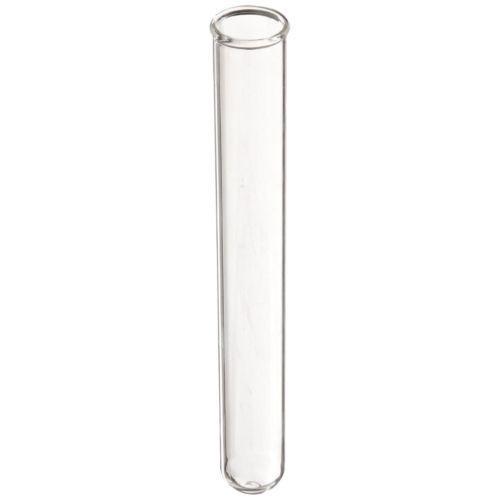
Whether you need culture and test tubes for bench work, amber tubes for light-sensitive contents, or compatible accessories such as caps and racks, the selection here supports a wide range of lab tasks. For teams building a complete workflow, it can also be useful to review related ampoule products or handling consumables such as lab bags where sample storage and transfer are part of the same process.
Where laboratory tubes are typically used
Laboratory tubes appear in many routine and specialized environments, from research and quality control to education and industrial testing. They are commonly used to hold liquid or semi-liquid samples, support incubation or culture steps, and organize small-batch testing where traceability and container compatibility matter.
Depending on the workflow, users may prioritize factors such as chemical resistance, closure style, tube diameter, or the need for light protection. In practical terms, a tube is rarely chosen in isolation; it is usually part of a broader setup that may include racks, caps, pumps, and adjacent storage formats.
Common tube types in this category
This category includes several useful tube formats rather than one single configuration. Culture and test tubes are suited to routine sample preparation and laboratory handling, while amber tubes are often chosen when contents should be shielded from ambient light. Drying tubes also play a different but important role in setups where moisture control or gas-related handling is relevant.
Examples in the current range include DaiHan culture/test tube models such as SL.Tub2302, SL.Tub2306, SL.Tub2308, SL.Tub2309, and SL.Tub2311, each representing different diameter and height combinations. For light-sensitive samples, DaiHan amber tube options such as GL.082.279.05 and GL.082.279.10 provide an alternative format, while Kartell KA.446 and KA.448 illustrate the place of drying tubes within the wider labware ecosystem.
How to choose the right tube for your application
The first step is usually matching the tube to the sample volume and handling method. Dimensions such as diameter and height affect not only fill capacity, but also compatibility with racks, holders, incubators, and shaking platforms. A tube that works well for manual handling may not be ideal if it also needs to fit a specific accessory or workflow station.
Closure style is another practical consideration. Some applications benefit from supplied caps, while others require spare closures for replacement or repeated use. For example, DaiHan SL.Cap3041 is a spare phenolic GL13 cap designed for matching GL13 tubes, which is useful when maintaining consistency across sample sets. If your process also involves liquid transfer from larger containers, a related category such as bottle top solvent pumps may help complete the handling chain.
Materials, visibility, and handling compatibility
Tube selection is often influenced by the balance between visibility, durability, and process conditions. Clear formats can simplify visual inspection, while amber versions are often preferred for materials that should not be exposed to light during storage or short-term handling. In regulated or quality-focused environments, even a small difference in tube material or cap type can affect standard operating procedures.
Handling compatibility matters just as much as material choice. A tube should fit securely into the rack or tray being used, especially in workflows involving movement, agitation, or organized batch processing. The Lauda A000059 test tube rack is a good example of how support accessories contribute to a stable setup, accommodating up to 24 tubes in the 12 to 17 mm diameter range and helping users organize samples on appropriate tray systems.
Representative brands and product ecosystem
Several established manufacturers are relevant to this category, including DaiHan, Lauda, and Kartell. Within the broader labware market, brands such as DURAN, SCHOTT, Pyrex, Simport, Aqualabo, and Bochem are also part of the surrounding ecosystem, giving buyers multiple paths depending on material preference, application style, and accessory compatibility.
In this specific selection, DaiHan stands out through multiple tube and cap references, Lauda adds rack support for organized handling, and Kartell contributes practical tube formats for drying-related use. This mix is important in B2B purchasing because the tube itself is only one part of a working system; accessories and supporting labware often determine whether the setup remains efficient in daily use.
Building a practical tube workflow in the lab
For many buyers, the goal is not simply to purchase individual tubes but to create a reliable routine around sampling, labeling, storage, transport, and disposal or reuse according to internal procedures. That is why it helps to think in terms of a tube workflow: the container, the cap, the rack, the handling method, and the adjacent consumables should all fit together logically.
In some laboratories, that may mean combining culture/test tubes with spare caps for continuity and replacing damaged closures without changing tube families. In other cases, amber tubes are added for specific sample types while standard tubes remain in use for general bench work. If packaging or temporary containment is also part of your process, adjacent labware categories such as adhesives may also support labeling or sealing tasks depending on the workflow.
What to review before placing an order
Before selecting from this category, it is worth checking a few practical points: intended sample volume, required tube dimensions, preferred cap format, visibility or light-protection needs, and compatibility with any racks or existing holders. This is especially important in shared laboratories or production support labs, where even small mismatches can slow down routine work.
It is also sensible to review whether you need standalone tubes only or a more complete combination of tube accessories such as caps and racks. A well-matched setup reduces handling errors, improves sample organization, and makes replenishment easier over time because future purchases can follow the same format standard.
Short FAQ
Are these tubes suitable for different sample sizes?
Yes. The products shown in this category include multiple diameter and height formats, which supports a range of small-volume laboratory applications.
Can I find tube accessories here as well?
Yes. This category includes not only tubes but also related items such as spare caps and tube racks, which are useful for maintaining a complete handling setup.
When should amber tubes be considered?
Amber tubes are generally considered when sample contents benefit from protection against light exposure during storage or handling.
Choosing laboratory tubes is ultimately about fit: fit for the sample, fit for the method, and fit for the equipment already in use. By comparing tube format, closure type, and accessory compatibility, buyers can build a more consistent labware setup that supports everyday work without unnecessary complexity.
Get exclusive volume discounts, bulk pricing updates, and new product alerts delivered directly to your inbox.
By subscribing, you agree to our Terms of Service and Privacy Policy.
Direct access to our certified experts