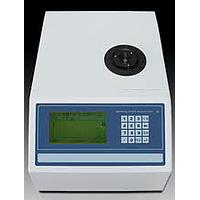
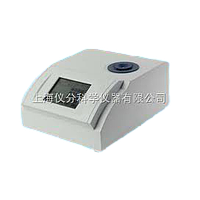
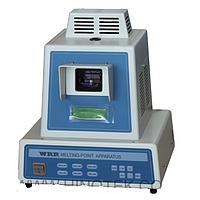
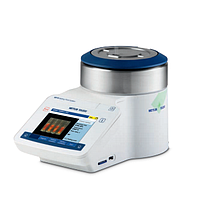
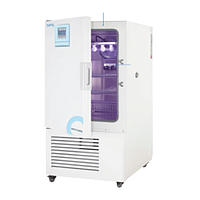
Medicine melting meter
When a pharmaceutical lab needs to verify the thermal behavior of an active ingredient or finished sample, reliable melting point measurement becomes an important part of routine quality control and method development. A well-selected Medicine melting meter helps teams assess purity, identify materials, and support consistent testing workflows in research, production, and regulated laboratory environments.
In pharmaceutical applications, melting point analysis is valued because it offers a practical way to compare substances and observe changes that may indicate contamination, formulation differences, or batch variation. This category brings together instruments and related accessories used for controlled melting point determination in medicine and laboratory testing.
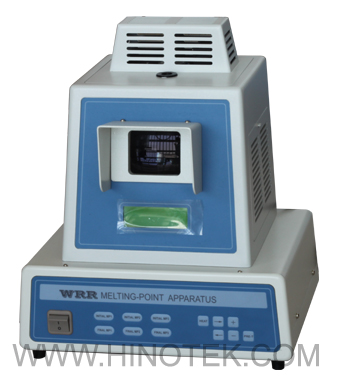
Why melting point testing matters in pharmaceutical laboratories
Melting point is one of the classic physical parameters used to characterize many pharmaceutical materials. In everyday lab work, it can support identity checks, raw material evaluation, and comparison of reference substances against production samples. For compounds with established melting ranges, even a small deviation may be useful as an early sign that a sample requires closer review.
Beyond basic identification, a melting point instrument also helps standardize observation under controlled heating conditions. This is especially useful when multiple operators, batches, or test runs need comparable results. In a broader tablet and drug quality workflow, melting point testing is often considered alongside related checks such as medicine hardness testing and physical durability assessment.
What to expect from a medicine melting meter
Most systems in this category are designed to heat a prepared sample in a controlled way while the operator observes or records the transition from solid to melt. Important considerations typically include temperature range, resolution, reproducibility, heating rate control, and the number of capillary positions available for each run.
For example, the KRUSS M5000 Melting Point Meters are suitable for laboratories that need wide temperature coverage, with a measuring range extending from 25 to 400°C and fine 0.1°C resolution. For labs that need compact instruments for routine work, these specifications can be relevant when comparing different materials or establishing repeatable quality control procedures.
Sample handling also plays a practical role in day-to-day operation. Accessories such as the KRUSS KSPS1010 Capillaires smeltpuntbepaling are part of the overall melting point workflow, since proper sample loading in capillary tubes directly affects observation quality and test consistency.
Representative brands and instruments in this category
Two names with strong relevance here are Mettler Toledo and KRUSS. Both manufacturers are widely associated with laboratory measurement solutions, and their melting point instruments are commonly considered by users who need dependable operation, straightforward interfaces, and compatibility with established lab practices.
A representative example is the Mettler Toledo MP70 Melting Point, which offers a measurement range from ambient temperature to 350°C and supports multiple capillaries in one setup. Features such as shortcut-based operation and stored methods can be useful for labs that run recurring test procedures and want a smoother operator workflow.
On the KRUSS side, the M5000 is relevant for applications that require broad temperature capability and clear, controlled measurement steps. Together with capillary accessories, it illustrates how this category includes not only the main instrument, but also the consumables and support items needed for a complete testing process.
How to choose the right system for your application
The right choice depends less on the instrument name and more on how the lab actually works. A routine quality control lab may focus on repeatability, ease of use, and stable heating profiles. A research or formulation environment may place greater importance on method flexibility, wider temperature coverage, or handling different sample types during development work.
It is also helpful to review expected sample throughput. If you test only a few samples per day, a compact single-position setup may be enough. If the lab processes multiple comparisons or parallel checks, then a system with more capillary capacity can improve efficiency and reduce repeated setup time.
Another practical point is data handling and connectivity. In some cases, interfaces such as RS-232 remain relevant for integration with existing laboratory documentation processes. Buyers should also consider operator training, accessory availability, and whether the instrument fits into a wider pharmaceutical testing bench that may already include a medicine friability tester or a tablet disintegration tester.
Typical applications and workflow considerations
In practice, melting point determination is used in raw material inspection, incoming quality control, educational and research labs, and pharmaceutical production support. It can help compare unknown materials with reference standards, verify consistency across batches, or support investigations when a sample behaves differently than expected.
Consistent sample preparation is essential. The capillary must be loaded correctly, the sample should be prepared uniformly, and the heating program should match the testing objective. Even when the instrument offers good temperature control, inconsistent loading or operator technique can influence the observed melting range and reduce repeatability.
Labs that perform broader dosage form evaluation may also pair melting point analysis with dissolution-related testing, depending on the product type and quality requirements. Looking at multiple physical and performance parameters together usually gives a more complete picture than relying on one test alone.
Key points to review before purchasing
Before selecting a unit from this category, start with the basic technical fit: required temperature range, number of capillary positions, and the level of precision needed for your test methods. A lab working mostly with lower-temperature substances may not need the same upper range as a lab handling more demanding compounds.
Next, look at operational details such as warm-up behavior, user interface simplicity, maintenance needs, and the availability of accessories. These factors can be just as important as headline specifications because they affect daily productivity and long-term usability. For regulated or documentation-focused environments, clear method handling and repeatable setup are often more important than having unnecessary complexity.
Finally, think about how the instrument will fit into your overall pharmaceutical testing process. A melting point meter is most valuable when it supports a structured workflow, from sample preparation and measurement to recording results and comparing findings with other quality control tests.
Supporting reliable pharmaceutical testing
A suitable medicine melting meter gives laboratories a practical tool for thermal characterization, sample comparison, and routine quality support. Whether the need is a compact instrument for day-to-day checks or a broader-capability system for more varied applications, the category includes solutions from established brands such as Mettler Toledo and KRUSS, along with essential capillary accessories.
By focusing on test requirements, workflow fit, and consistency of operation, buyers can narrow the selection more effectively and choose equipment that supports dependable pharmaceutical analysis over time.
Get exclusive volume discounts, bulk pricing updates, and new product alerts delivered directly to your inbox.
By subscribing, you agree to our Terms of Service and Privacy Policy.
Direct access to our certified experts