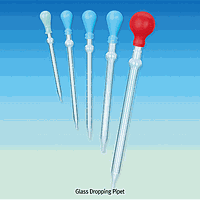
Pipette
Reliable liquid handling is a basic requirement in analytical labs, life science workflows, quality control, and routine sample preparation. When volume transfer needs to be repeatable across many cycles, choosing the right Pipette helps reduce operator error, improve consistency, and support cleaner experimental results.
This category brings together manual and electronic pipetting options for different volume ranges, channel configurations, and daily lab tasks. It is suitable for users comparing single-channel and multichannel tools, reviewing practical volume coverage, or building a more complete liquid handling setup around their existing laboratory safety apparel and bench equipment.
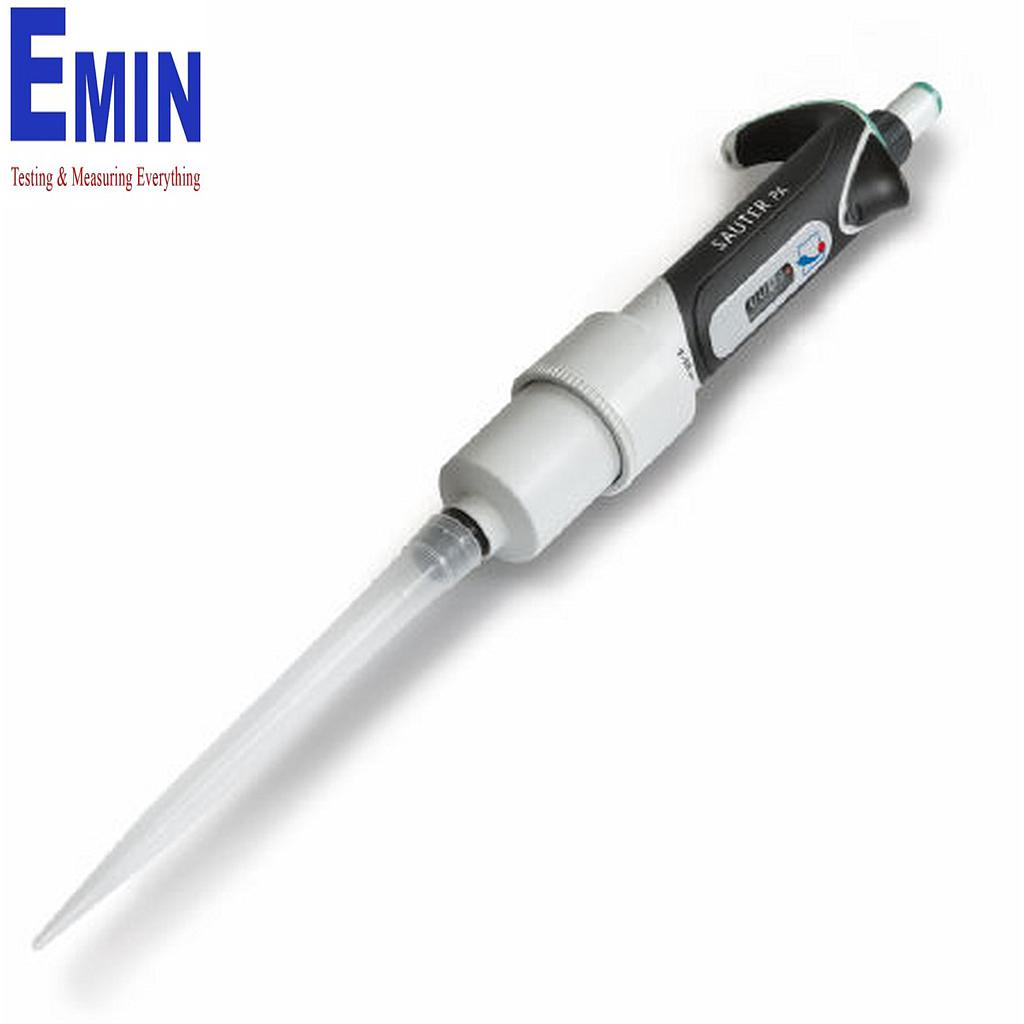
Where pipettes fit in laboratory workflows
Pipettes are used whenever small and controlled liquid volumes must be aspirated and dispensed with accuracy. Typical use cases include reagent preparation, serial dilution, sample aliquoting, PCR setup, microbiology tasks, and general chemical or biochemical handling. In these environments, the pipette is not just a simple hand tool; it is part of the broader chain of measurement quality.
For many labs, the right choice depends on a balance of throughput, comfort, and volume resolution. A low-volume instrument used for microliter work has very different handling requirements from a larger model intended for milliliter-scale transfer. This is why category-level selection should focus on real workflow needs rather than product names alone.
Single-channel and multichannel options
Single-channel pipettes are typically chosen for flexible day-to-day work where users handle one tube, vial, or vessel at a time. They are common in R&D, education, sample prep, and QC applications because they support a wide variety of protocols without requiring plate-based workflows.
Examples in this category include the Thermofisher 4641030N Pipettes (F1 1-10 ul) for low-volume dispensing, the Thermofisher 4641070N Pipettes (10 ~ 100 μL) for routine microliter handling, and the Ahn Pipet4u Pro Single Channel Pipette (100 - 1000 µL) for broader general-purpose transfer. For larger transfer ranges, the Ahn Pipet4u Pro Single Channel Pipette (0.5 - 5 mL) is relevant where users need more capacity without moving to dispensers or other liquid handling formats.
Multichannel pipettes are more suitable when speed and consistency across rows or columns are important, especially in plate-based processes. The Mettler Toledo EA8-300XLS Electronic multichannel pipette, Mettler Toledo EA8-50XLS Electronic multichannel pipette, and Mettler Toledo EA6-1200XLS Electronic multichannel pipette illustrate how electronic multichannel formats can support repetitive dispensing while helping reduce hand fatigue during higher-throughput work.
Choosing the right volume range
The first practical filter is the working volume. Pipettes perform best when used within the intended range, so the target application should guide selection from the start. Low-volume tasks such as molecular biology preparation may call for a 1 to 10 μL instrument, while routine reagent addition may fit a 10 to 100 μL or 100 to 1000 µL range more naturally.
Users handling larger sample or media transfers may benefit from models that extend into the milliliter range. That is where a tool like the Ahn Pipet4u Pro Single Channel Pipette (0.5 - 5 mL) becomes more relevant than a narrow microliter model. For plate work, multichannel products such as the MICROLIT ML.RBO.MCA.12.10, MICROLIT ML.RBO.MCA.12.50, and MICROLIT ML.RBO.MCA.12.300 Pipettor series show how different channels and volume bands can be matched to assay format and plate density.
Manual versus electronic pipetting
Manual pipettes remain a practical choice for many laboratories because they are straightforward to use and well suited to varied bench work. They are often preferred where protocols change frequently, budgets are controlled, or users need a familiar format for routine transfer steps. For many teams, a mix of low-, mid-, and high-volume manual pipettes provides a flexible baseline setup.
Electronic pipettes are often considered when repetitive aspiration and dispensing become a bottleneck. They can help standardize repetitive actions, especially for multichannel work, and may improve ergonomics in workflows with high daily pipetting frequency. If your lab regularly runs microplates or repeated dosing cycles, exploring solutions from Mettler Toledo or MICROLIT can be a useful next step within this category.
Tips, compatibility, and day-to-day usability
Pipette performance depends not only on the instrument body but also on how it is used with the right consumables and handling routine. Tip fit, sealing consistency, user grip, plunger feel, and ease of daily cleaning all matter in practical lab operation. In real use, these factors influence repeatability just as much as nominal volume range.
This is also why accessory and consumable compatibility should not be overlooked. The IKA 0020017830 IKA Pipettes (5 ml) item listed here represents the supporting role that pipette tips and related consumables play in the overall liquid handling process. Labs building or refreshing a workstation may also review nearby categories such as lab carts and trolleys for safer transport and bench organization around high-use tools.
Brands commonly considered in this category
Different laboratories prioritize different factors, including ergonomics, available volume steps, channel configuration, and electronic operation. Within this category, commonly referenced manufacturers include Thermofisher, Mettler Toledo, IKA, MICROLIT, and Ahn. Each may be relevant depending on whether the application leans toward routine single-channel use, multichannel throughput, or supporting consumables.
Brand choice should be guided by workflow fit rather than logo preference alone. A research lab focused on low-volume preparation may compare different microliter options, while a QC or screening environment may look more closely at electronic multichannel models for efficiency and operator comfort.
What to evaluate before ordering
Before selecting a pipette, it is useful to review a few practical questions: What volume range is used most often? Is the work mainly tube-based or plate-based? How repetitive is the process during a normal shift? Does the lab need a single versatile unit, or a set that covers multiple ranges with better accuracy across each task?
It is also worth considering maintenance habits, training level of operators, and bench environment. In busy labs, comfort, repeatability, and clear matching between pipette and consumables often matter more than broad general specifications. A well-chosen pipette setup supports cleaner workflow execution and helps reduce rework caused by inconsistent transfer.
Support better liquid handling across routine and specialized lab work
A suitable pipette category should do more than present a list of items; it should help users compare liquid handling approaches that match real laboratory tasks. From compact single-channel models for precise microliter transfer to electronic multichannel instruments for faster plate processing, the products here cover a range of practical needs without forcing one format into every application.
If you are refining an existing lab setup or specifying tools for a new workflow, start with volume range, throughput, and handling style. That approach makes it easier to identify the right pipette for consistent daily use and to build a liquid handling process that stays reliable over time.
Get exclusive volume discounts, bulk pricing updates, and new product alerts delivered directly to your inbox.
By subscribing, you agree to our Terms of Service and Privacy Policy.
Direct access to our certified experts