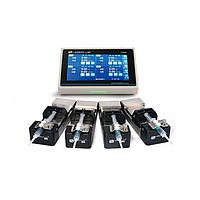
Pump for lab room
Moving liquids safely and accurately is a routine task in many laboratories, pilot plants, and technical workspaces. Whether the job involves transferring chemicals from drums, circulating water, or handling process fluids in a test setup, choosing the right Pump for lab room category helps improve workflow, reduce manual handling, and support cleaner operation.
This category brings together laboratory pumps for different transfer methods and operating conditions, from simple manual hand pumps to electric liquid transfer pumps and compact centrifugal units. The product range is relevant for labs that need practical pumping solutions for sampling, decanting, filling, circulation, or general fluid movement without overcomplicating the setup.
Where laboratory pumps are commonly used
In lab environments, pumps are often selected not only by flow rate but also by how they fit the actual task. Some applications require controlled transfer from containers or barrels, while others involve recirculation, continuous liquid movement, or support for bench-scale process equipment. The right pump depends on the fluid, container depth, desired transfer speed, and how often the system will be used.
Typical use cases include transferring liquids from drums into smaller vessels, emptying process containers, moving water or compatible fluids through test rigs, and supplying circulation in auxiliary systems. In many setups, pumps are used together with other material handling equipment to improve workflow when larger containers or mobile lab stations are involved.
Manual and electric options for different workflows
A practical way to view this category is to divide it into manual transfer pumps and electrically driven pumps. Manual designs are often preferred for simple drum-to-container transfer, occasional use, and situations where portability matters. Electric pumps are more suitable when users need higher throughput, continuous duty, or more consistent flow during repeated operation.
Examples in this category illustrate that difference well. The Burkle BK.5005 series and the DaiHan hand pump models are intended for direct manual liquid transfer, making them useful when a lightweight, straightforward solution is enough. For higher transfer rates, products such as the J.P. SELECTA RP-90P manual liquid transfer pump or the J.P. SELECTA FA-100 electric liquid transfer pump show how lab users can match pump type to the pace and scale of the work.
Examples of pumps available in this category
Several product styles stand out in this selection. The Burkle hand pumps are designed for immersion-based transfer from containers, with versions that differ in tube diameter, immersion depth, and approximate pumping rate. This makes them suitable when the main requirement is drawing liquid from a drum or vessel with a practical, chemical-resistant hand-operated format.
DaiHan hand pump models in PE construction provide another option for basic liquid handling tasks where compatibility, reach length, and ease of use matter. These are especially relevant when users need a simple transfer method without electrical installation. For laboratories looking at broader product ecosystems, the DaiHan product range can also help when building a more complete lab setup.
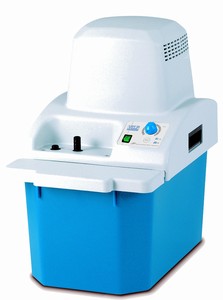
On the powered side, J.P. SELECTA models in this category include liquid transfer and centrifugal pump formats. The MP-40RX and MP-100R centrifugal pumps are examples of compact units intended for continuous liquid movement under moderate pressure conditions, while the FA-100 focuses on faster liquid transfer. The Royal JLM400A Pump adds another useful reference point for users comparing compact electric pumps with defined head, power, and flow values.
How to choose the right pump for a lab room
Selection should start with the fluid and the task, not just the pump name. A laboratory handling water or general-purpose compatible liquids may prioritize flow and head, while chemical transfer often places greater emphasis on material compatibility for components such as the body, tubing, seals, and immersed parts. Even for routine work, fluid temperature and viscosity can affect the pump choice.
It is also important to consider flow rate, transfer distance, vertical lift, and whether the process is intermittent or continuous. A hand pump may be the better fit for occasional decanting from drums, while an electric centrifugal pump is more appropriate for ongoing circulation or repeated transfer cycles. When container size and reach are important, immersion tube length and outlet configuration become practical selection points as well.
- Choose a manual pump for simple, low-frequency transfer tasks.
- Choose an electric pump when speed, repeatability, or continuous operation is needed.
- Check wetted materials carefully for compatibility with the target liquid.
- Review required lift, outlet size, and operating temperature before ordering.
Why materials and construction matter
Laboratory pumps are not all built for the same fluid environment. In this category, some models use polypropylene or polyethylene-based components for liquid contact, while others are designed with more robust mechanical assemblies for powered transfer. Material choice matters because it affects chemical resistance, cleaning practice, service life, and suitability for the intended media.
For example, hand pumps made with PP or PE parts are often selected for practical chemical transfer and sampling tasks, especially where corrosion resistance and low weight are useful. Some centrifugal pump designs listed here also indicate engineering materials and seal configurations intended for regular liquid handling duty. In technical purchasing, these details are often more important than headline flow numbers alone.
Fit within a broader laboratory equipment setup
Pumps are rarely used in isolation. In many laboratories, they support workflows that also involve containers, safety accessories, heating equipment, and sample preparation tools. If the pumping task is part of a larger bench or process arrangement, it can be useful to review adjacent categories such as Burner & Torch equipment or laboratory blending equipment where fluid handling overlaps with heating, mixing, or preparation steps.
Brand preference can also play a role when standardization is important across sites or departments. This category includes products associated with manufacturers such as Burkle, DaiHan, Royal, and J.P. SELECTA, while the broader supplier base also includes other established laboratory brands. The best choice usually comes down to application fit, operating method, and compatibility with the rest of the lab system.
Practical buying considerations for B2B users
For industrial laboratories, universities, QA environments, and pilot facilities, pump selection is often tied to maintenance, repeat purchasing, and operator convenience. It is useful to think beyond one-time transfer needs and consider how frequently the pump will be used, who will operate it, and whether spare parts or replacement units need to stay consistent across multiple stations.
Another point is installation simplicity. A manual drum pump may solve a container-transfer task immediately with minimal setup, while an electric pump may require closer attention to power supply, hose matching, and process integration. Reviewing the intended duty cycle and handling routine early can help avoid overspecifying or underspecifying the pump.
Find the right laboratory pump for your process
This category is built for users who need dependable options for liquid transfer, drum emptying, or circulation in lab-scale environments. From compact manual pumps to electric transfer and centrifugal models, the range supports different operating styles without losing sight of practical concerns such as compatibility, ease of use, and required performance.
If you are comparing laboratory pumps for a specific transfer task, start with the liquid type, required flow, and working method. That approach makes it easier to narrow the range and identify a pump that fits the real process rather than simply matching a generic specification.
Get exclusive volume discounts, bulk pricing updates, and new product alerts delivered directly to your inbox.
By subscribing, you agree to our Terms of Service and Privacy Policy.
Direct access to our certified experts