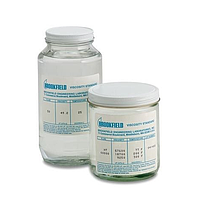
Viscosity meter
Reliable viscosity data is essential when a liquid’s flow behavior affects product quality, process stability, or formulation consistency. In laboratory and production environments, a viscosity meter helps teams evaluate how fluids respond during mixing, pumping, coating, filling, or storage, making it a practical tool for quality control as well as product development.
Across coatings, chemicals, food, pharmaceuticals, lubricants, and research applications, viscosity measurement supports better process decisions. The category includes instruments and related items used for routine checks, advanced rheological studies, and calibration support, so users can match the measurement approach to the sample and the required level of control.
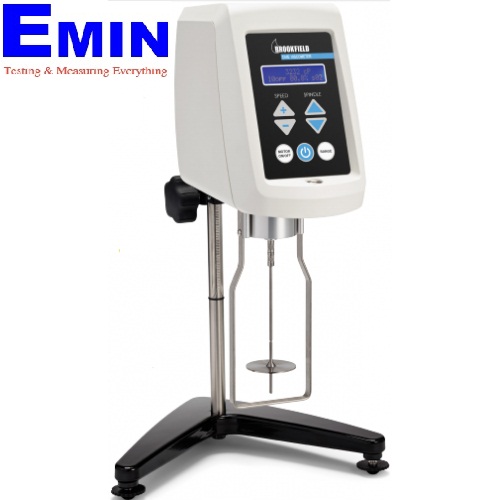
Why viscosity measurement matters in laboratory and industrial work
Viscosity reflects a fluid’s resistance to flow and deformation. In practical terms, it influences whether a paint levels evenly, whether an adhesive can be dispensed correctly, whether a lotion has the expected texture, or whether an oil can circulate efficiently through a system.
Because viscosity can change with temperature, shear conditions, and formulation differences, measuring it directly is often more useful than relying only on recipe assumptions. A suitable instrument helps detect batch variation early, supports incoming material inspection, and provides data that can be compared over time or across sites.
Common measurement approaches in this category
This category covers more than one style of viscosity testing. For simple flow-based evaluation, cup methods are often used in applications such as coatings and surface treatment, where drain time and consistency checks are part of routine inspection.
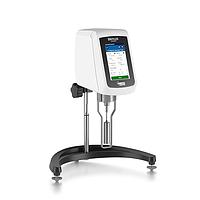
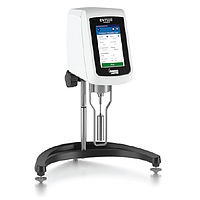
For more detailed analysis, rotational measurement and rheological testing are preferred. These methods evaluate resistance under controlled spindle or cone-plate movement, which makes them useful for non-Newtonian fluids whose behavior changes with shear rate. In research and formulation work, this provides a clearer picture than a single-point flow test.
Users working with broader material characterization may also compare viscosity data alongside other laboratory preparation equipment, especially when mixing conditions influence the final result. This is particularly relevant for emulsions, suspensions, gels, and coatings.
Examples of products in the range
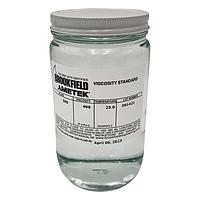
For calibration and verification tasks, the ELCOMETER offering in this category includes the ELCOMETER 2410 Viscosity Cup Standard Calibration Oil (230cSt). Products like this are useful when checking cup-based viscosity measurement procedures and maintaining confidence in routine test results.
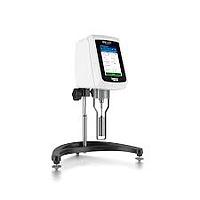
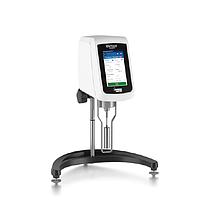
For advanced analysis, Lamy Rheology is represented by instruments such as the DSR 500 Rheometer and DSR 500 CP-4000 PLUS Cone-Plate models. These systems are designed for users who need controlled rotational testing, touchscreen operation, data display for viscosity and related parameters, and temperature-aware measurements across different application setups.
The category also includes RM 200 CP-4000 PLUS Cone Plate Rheometer models for users requiring cone-plate geometry in laboratory workflows. Rather than treating all samples the same way, these solutions help laboratories select a configuration based on sample volume, temperature conditions, and the type of rheological behavior they need to observe.
How to choose the right viscosity meter
Selecting the right instrument starts with the sample itself. Low-viscosity liquids, high-viscosity materials, shear-sensitive products, and temperature-dependent formulations do not behave the same way, so the testing method should reflect the actual material behavior rather than just the desired reporting unit.
Temperature control is one of the most important selection criteria. If the material changes significantly with heat or cooling, a system with controlled test conditions can improve repeatability and make comparisons more meaningful. This is especially relevant for oils, polymers, coatings, and pharmaceutical or cosmetic formulations.
Another key factor is the level of analysis required. Routine production checks may only need a straightforward pass/fail or consistency confirmation, while formulation and R&D work may require flow curves, shear-related data, and multi-condition testing. In those cases, a rheometer or cone-plate system is usually more suitable than a basic flow cup method.
- Consider the expected viscosity range of the sample.
- Check whether temperature-controlled measurement is necessary.
- Decide if routine QC or deeper rheological analysis is the priority.
- Review data output, connectivity, and reporting requirements for the lab.
Typical application areas
In coatings, inks, and surface finishing, viscosity affects application quality, leveling, film build, and repeatability from batch to batch. Cup-based checks and rotational instruments are both relevant here, depending on how detailed the process control needs to be.
In food, cosmetics, and pharmaceutical environments, fluid texture and flow behavior are directly tied to product handling and user experience. Measuring viscosity helps teams maintain consistency in creams, gels, sauces, syrups, and similar products where both stability and processing performance matter.
Lubricants, petroleum products, and industrial fluids also depend heavily on viscosity control for handling and operational performance. In these environments, laboratory teams often combine viscosity testing with other support tools, storage solutions, or sample transport equipment such as lab carts and trolleys to streamline workflow around testing stations.
Manufacturers commonly associated with this category
This category is supported by recognized manufacturers used in laboratory and industrial measurement, including Anton Paar, BROOKFIELD, Cole-Parmer, LGC, ATAGO, ELCOMETER, Lamy Rheology, PCE, RION, and SEKONIC. Each brand may serve a different measurement style, from routine viscosity checks to more advanced rheological evaluation.
When comparing options, it is better to focus on suitability for the sample and workflow than on brand name alone. Geometry, operating range, temperature capability, reporting features, and calibration practices usually have a greater impact on whether the instrument fits the application.
Good practice for obtaining reliable viscosity results
Even a capable instrument can produce inconsistent results if sample handling is not controlled. Test temperature, sample conditioning, measurement time, spindle or geometry selection, and cleaning procedures all influence the outcome. Establishing a consistent test method is often as important as the instrument itself.
For laboratories that run repeated evaluations, calibration oils and routine verification steps help maintain traceable performance. Teams may also benefit from organizing test accessories and adjacent consumables with other laboratory support items so measurement procedures remain clean, safe, and repeatable.
Repeatability becomes especially important when results are used to approve batches, compare suppliers, or support product development. A structured test workflow reduces operator-to-operator variation and improves confidence in long-term data.
Finding a suitable solution for your application
The right viscosity meter depends on what you need to learn from the sample. Some users need a fast and practical method for day-to-day checks, while others require detailed flow characterization under controlled temperature and shear conditions. This category brings together both ends of that spectrum, including calibration media, rotational rheometers, and cone-plate systems.
By reviewing sample type, test environment, and data requirements first, it becomes easier to narrow the most suitable option. Whether the goal is routine QC or advanced material analysis, a well-matched viscosity measurement setup helps improve consistency, supports better decisions, and strengthens overall laboratory control.
Get exclusive volume discounts, bulk pricing updates, and new product alerts delivered directly to your inbox.
By subscribing, you agree to our Terms of Service and Privacy Policy.
Direct access to our certified experts