Haze Meter
Optical clarity is a critical quality parameter in plastics, glass, films, display materials, and transparent packaging. When a surface or sheet must transmit light while maintaining a controlled level of diffusion, reliable measurement of haze and transmittance becomes essential for both product development and routine quality control.
Haze Meter instruments are used to evaluate how much light passes through a material and how much of that light is scattered. In production environments, this helps teams compare batches, verify compliance with ASTM or ISO methods, and identify changes in raw materials, coating quality, thickness, or surface finish before those changes affect downstream performance.
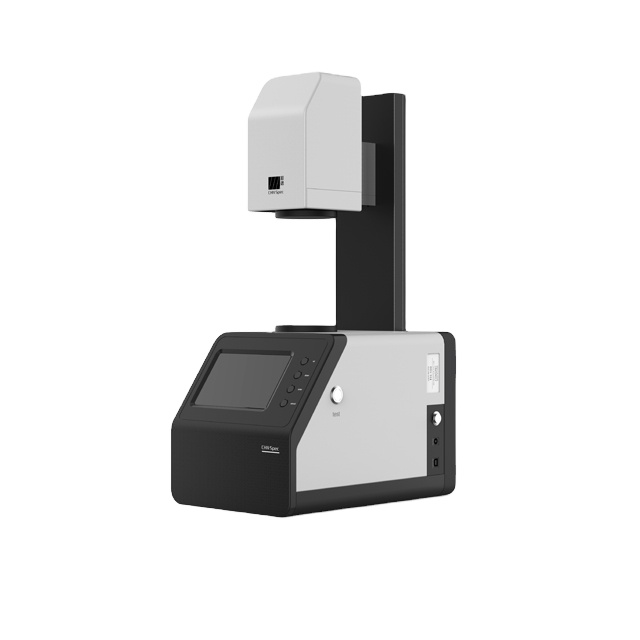
What haze measurement is used for in industry
Haze testing is commonly applied to transparent or semi-transparent materials where visual appearance and light transmission matter. Typical examples include plastic sheets, protective films, laminated glass, display covers, optical parts, medical packaging, and molded components that must meet appearance or functional light-transmission requirements.
In practical terms, a haze meter helps determine whether a material looks clear, slightly cloudy, or excessively diffused. This is useful not only for inspection at final QC stage, but also for monitoring process stability during extrusion, coating, lamination, polishing, and material conversion.
Key parameters measured by haze meters
The most common parameters are haze and total transmittance. Haze expresses the proportion of transmitted light that is scattered, while transmittance shows how much light passes through the sample overall. Together, these values give a more complete view of optical performance than a visual check alone.
Some advanced systems also add color-related analysis, spectral transmittance, clarity, or color difference evaluation. This is especially useful when materials must satisfy both appearance and optical specifications, such as in display components, coated films, or high-clarity engineered plastics. If your inspection workflow also involves broader optical checks, related categories such as light meter solutions or color sensors may help complete the measurement setup.
Portable and benchtop haze meters for different workflows
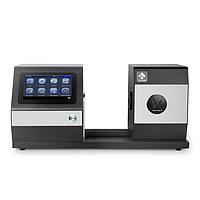
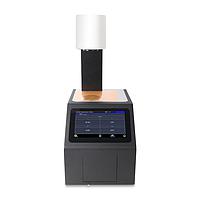
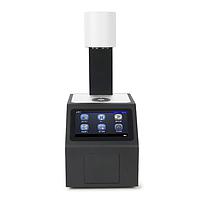
Selection often starts with the measurement environment. Portable haze meters are useful when operators need mobility, quick spot checks, or on-site verification across different stations. Models such as the CHN SPEC DH-10, DH-12, and DH-13 are positioned for direct measurement of haze and transmittance with compact form factors suitable for routine inspection.
Benchtop instruments are typically chosen when higher throughput, more sample flexibility, or expanded analysis is required. For example, the CHN SPEC TH-110 and THC-100 support broader laboratory-style use, while models such as the 3nh YH1000, YH1200, and YH1600 are suitable for users comparing ASTM and ISO-based workflows or adding color-related evaluation in the same instrument.
How to choose the right haze meter
A suitable instrument depends first on the standard your process follows. Some applications require ASTM-focused measurement, while others need both ASTM and ISO methods. This matters when you work with customer specifications, inter-laboratory comparison, or export-oriented manufacturing where test methods must align with contract documents.
Next, consider sample type and inspection goals. Aperture size, sample thickness allowance, and measurement geometry all affect usability. If you test small parts, films, or narrow specimens, multiple aperture options can be valuable. If you need more than haze and transmittance, a color haze meter such as the CHN SPEC THC-100 or 3nh YH1810 may be more appropriate because it supports broader optical characterization.
Data handling is another practical point. USB connectivity, software support, touch-screen operation, and memory capacity can simplify traceability in QC labs. For teams standardizing around a preferred brand ecosystem, it may also be useful to browse CHN SPEC instruments or 3nh measurement devices for comparable models within the same manufacturer line.
Examples of instruments in this category
This category includes a range of configurations for different testing needs. The CHN SPEC DH-10 is oriented toward ASTM-based haze and transmittance checks in a portable format, while the DH-12 and DH-13 extend support toward ISO and ASTM workflows with multiple aperture options. These are practical choices for users who want compact instruments for daily inspection tasks.
For more advanced optical analysis, the CHN SPEC CS-730 adds visible-infrared spectrum capability and broader measurement parameters, which can be relevant when optical behavior beyond basic haze must be evaluated. On the 3nh side, the YH1210 focuses on transmittance and haze, while the YH1600 and YH1810 expand into color and clarity-related measurements for more demanding laboratory applications.
Applications across plastics, glass, film, and display materials
In plastics manufacturing, haze meters are often used to assess resin consistency, extrusion conditions, surface treatment, and the effect of additives on transparency. Even when dimensions remain within tolerance, a shift in haze can reveal process drift that affects product appearance and acceptance.
In glass and film applications, the same measurement supports evaluation of coatings, lamination quality, surface defects, and optical uniformity. For display-related materials, clear covers, and transparent functional layers, haze and transmittance are directly linked to readability, brightness perception, and visual comfort. In broader optical labs, these checks may be complemented by equipment such as a UV meter when ultraviolet performance is also part of the specification.
Why standard compliance and repeatability matter
In B2B environments, the value of a haze meter is not just the number shown on screen, but the consistency of that number across operators, batches, and locations. Instruments designed around recognized methods such as ASTM D1003, ASTM D1044, ISO 13468, or ISO 14782 help create a more reliable basis for internal quality control and customer communication.
Repeatability, resolution, and stable optical geometry are particularly important when acceptable variation is narrow. A small difference in haze may influence cosmetic approval, light diffusion behavior, or pass/fail decisions in incoming inspection. Choosing an instrument with suitable repeatability and sample handling therefore has a direct impact on decision quality, not only on measurement convenience.
Finding a suitable solution for your testing requirement
This Haze Meter category covers both straightforward QC instruments and more advanced systems for combined haze, transmittance, color, and clarity analysis. Whether you need a compact portable device for rapid checks or a benchtop platform for laboratory evaluation, the right choice depends on your standard, sample format, and reporting requirements.
Review the available models based on the parameters you actually need to control, the standards your customers request, and the way your team works day to day. A well-matched haze meter can make optical quality control faster, more consistent, and easier to document across production and inspection workflows.
Get exclusive volume discounts, bulk pricing updates, and new product alerts delivered directly to your inbox.
By subscribing, you agree to our Terms of Service and Privacy Policy.
Direct access to our certified experts