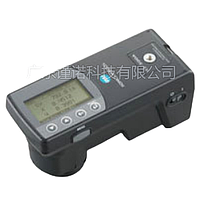
Spectroradiometer
Accurate light measurement is essential when you need more than a simple lux value. In laboratories, display testing, lighting development, horticulture, automotive glazing analysis, and production quality control, a spectroradiometer helps reveal the spectral behavior of a source or material so users can evaluate color, intensity, wavelength distribution, and other photometric or radiometric parameters with greater confidence.
This category brings together instruments and related optical measurement solutions used for spectral analysis across visible and, in some cases, extended wavelength ranges. Depending on the application, the right setup may support tasks such as verifying LED performance, assessing color temperature and chromaticity, measuring transmission, or analyzing specialized display and near-IR behavior.
Where spectroradiometers are used
These instruments are widely used wherever the spectral composition of light matters. In lighting and lamp testing, they help evaluate illuminance, color temperature, chromaticity coordinates, color rendering, and flicker-related behavior. In display and optical development, they support measurement of luminance, radiance, and color characteristics that are difficult to assess with simpler instruments.
They are also relevant in material testing. For example, portable transmission-focused solutions can be used to assess windows, films, and plates by measuring how much light passes through a sample over a defined spectral range. If your work is focused mainly on basic illuminance checks rather than full spectral analysis, a dedicated light meter may be a more practical starting point.
What a spectroradiometer helps you measure
A key advantage of this equipment is the ability to move beyond a single brightness reading. A spectroradiometer can support evaluation of spectral irradiance, illuminance, luminance, radiance, chromaticity, correlated color temperature, peak wavelength, and related color metrics depending on the instrument design and application scope.
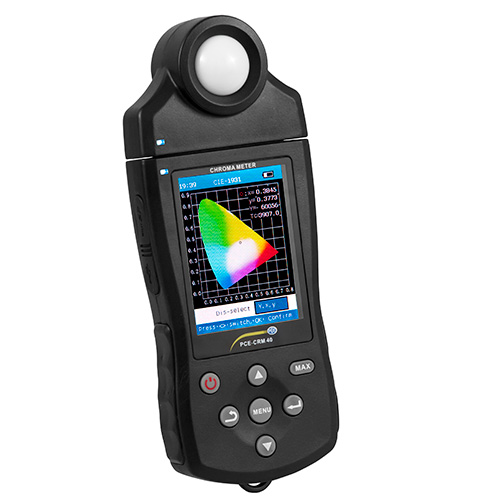
Some models in this category are oriented toward general visible-light analysis, while others are intended for more specialized tasks such as near-IR measurement or display view-angle assessment. For users working on color-focused inspection at the point of use, instruments such as the PCE CRM 40 Chroma Meter illustrate how chroma and coordinate measurement fit into the broader optical testing workflow, even when the requirement is not a full laboratory spectroradiometer configuration.
Typical product types in this category
The category includes several solution styles rather than one single device format. Portable spectrometers such as the Gossen Metrawatt MAVOSPEC BASE and MAVOSPEC LITE are suited to field or bench measurement where users need visible-spectrum analysis with practical data handling and battery-powered operation. These are often selected for lighting quality assessment, color evaluation, and routine verification work.
For more specialized optical tasks, Gigahertz-Optik offers instruments such as the LCRT-2005H-S Portable Spectrophotometer for Light Transmission and the BTS2048-IR-WP Spectroradiometer for extended wavelength measurement. In parallel, Radiant products in this category show how lenses and optical accessories support imaging-based light and color measurement systems for near-eye displays, view-angle testing, or near-IR radiant intensity distribution.
How to choose the right instrument
The right choice depends first on measurement objective. If the task is general light source characterization in the visible range, a portable visible-spectrum instrument may be enough. If the goal is display analysis, angular measurement, near-eye optical testing, or imaging-based luminance and chromaticity evaluation, the required solution can be more application-specific and may involve a camera-compatible optical setup rather than a handheld meter alone.
Next, consider the wavelength range, sensitivity, geometry, and reporting parameters you actually need. Some users prioritize illuminance and color temperature, while others require CRI-related data, PPFD values, transmission, haze, or near-IR radiant quantities. Interface options, memory, portability, and whether the instrument will be used in R&D, incoming inspection, or production control also affect selection.
Examples of solutions available
Several products in this category illustrate the range of use cases. The PCE CRM 40 is suitable for color-oriented light evaluation where tristimulus values, chromaticity, correlated color temperature, and luminous flux-related data are important. The Gossen Metrawatt MAVOSPEC series is positioned for practical spectral measurement in the visible range, including parameters relevant to lighting assessment and color quality.
Gigahertz-Optik solutions extend the category into transmission measurement and advanced spectroradiometry. For example, the LCRT-2005H-S is aligned with transmission testing of glass, films, and similar samples, while the BTS2048-IR-WP addresses infrared spectral analysis requirements. Where dimensional profile inspection is the priority rather than spectral light analysis, an optical comparator such as JISC OC-300-100 or OC-300-150 belongs to a different test approach and should be considered separately from spectral instruments.
Relationship to other optical measurement equipment
In real testing environments, a spectroradiometer is often part of a broader optical measurement workflow. Users may combine it with dedicated color measurement tools, display test optics, or application-specific accessories depending on what needs to be verified. If your process depends on real-time object or surface detection, color sensors can complement spectral instruments in automated systems.
For UV-specific applications, a full spectroradiometer may be unnecessary if the requirement is limited to ultraviolet intensity checks; in those cases, a dedicated UV meter can be a more focused solution. Likewise, imaging and alignment tasks may call for related optical tools such as a camera tester depending on the setup.
Brands and application focus
This category includes recognized names used in industrial and laboratory environments. PCE is relevant for portable measurement tools, while Gossen Metrawatt is well known for practical lighting and spectral analysis instruments. Gigahertz-Optik is associated with advanced photometric and radiometric measurement, including specialized transmission and IR solutions, and Radiant supports demanding display and imaging-based optical applications.
Other manufacturers listed in the broader portfolio can also be relevant depending on whether the need is field measurement, production inspection, or optical R&D. In practice, selection should be based less on brand alone and more on wavelength coverage, parameter set, measurement geometry, and how the instrument fits your workflow.
Finding a suitable spectroradiometer for your process
When comparing options, start with the sample type, light source type, and the decisions your measurement data needs to support. A compact instrument can be sufficient for routine visible-light checks, while transmission analysis, display optics, or near-IR work may require a more specialized platform. This is especially important in B2B environments where repeatability, reporting, and integration into existing test procedures matter as much as the raw specifications.
By reviewing the available spectroradiometer models in this category alongside related optical instruments, buyers can narrow the selection to equipment that matches their actual use case. A well-chosen system supports more reliable evaluation of light, color, and spectral performance without adding unnecessary complexity to the measurement process.
Get exclusive volume discounts, bulk pricing updates, and new product alerts delivered directly to your inbox.
By subscribing, you agree to our Terms of Service and Privacy Policy.
Direct access to our certified experts