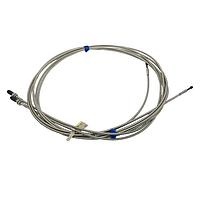
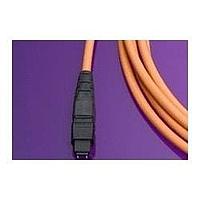
Fiber Optics
High-speed communication, signal integrity, and long-distance transmission often depend on one core technology: optical cabling. In industrial networks, data centers, telecom infrastructure, and embedded systems, fiber-based interconnects are chosen when electrical transmission reaches its practical limits in bandwidth, distance, or resistance to electromagnetic interference.
Fiber Optics products support these environments with cable assemblies, interconnect components, and related connectivity solutions used to move data with low loss and strong reliability. For buyers, engineers, and integrators, the key is not simply finding a cable, but selecting the right optical format for installation conditions, connector compatibility, routing constraints, and long-term maintenance needs.
Where fiber optic solutions fit in modern systems
Optical connectivity is widely used wherever stable, high-capacity communication must be maintained across cabinets, production areas, buildings, or distributed equipment. Compared with copper-based wiring, fiber is often preferred when applications require longer transmission distances, improved immunity to electrical noise, or reduced risk of signal degradation in harsh environments.
That makes this category relevant across industrial automation, factory networking, instrumentation, telecommunications, broadcast systems, and server infrastructure. In many projects, fiber products are selected alongside related cabling items such as specialized cables or support materials used for routing, protection, and installation.
Key considerations when selecting fiber optic products
A practical selection process starts with the application itself. Buyers typically review transmission distance, required data rate, installation environment, connector style, bend management, and whether the cable will be used for patching, panel routing, equipment interconnect, or field deployment. These factors usually matter more than choosing by part family alone.
It is also important to consider the broader cable ecosystem. Fiber runs are often planned together with cable organization hardware and other wiring materials, especially in dense panels or structured installations. For example, installers may also need cable ties to support clean routing and strain management without compromising serviceability.
Common use cases across industrial and technical environments
In factory and process environments, optical links can help connect control rooms, machine cells, remote I/O zones, and network cabinets while reducing the impact of electrical noise from motors, drives, and switching equipment. In these applications, fiber can play an important role in maintaining communication quality over longer paths or between electrically isolated areas.
Within IT and data communication infrastructure, fiber is frequently used for backbone links, patching between network equipment, and high-density interconnect architectures. It is also common in test systems, embedded computing platforms, and OEM equipment where compact routing and dependable signal transport are critical. When a design includes mixed media, teams may evaluate optical components alongside hook-up wire for internal power or signal wiring in the same assembly.
How manufacturers contribute to the fiber connectivity ecosystem
This category may include solutions associated with established suppliers active in connectivity, interconnect systems, and electronic infrastructure. Brands such as Amphenol, 3M Electronic Solutions Division, and AMP Connectors - TE Connectivity are widely recognized in the broader interconnect market, where cable management, connectors, and system integration all influence final performance.
For procurement teams, the value of working with known manufacturers often lies in documentation consistency, availability across related product families, and easier alignment with existing equipment standards. In B2B environments, that can simplify sourcing for multi-stage projects that involve not only optical links, but also enclosure wiring, connector systems, and structured cable routing.
Fiber optics compared with other cable categories
Fiber is not a universal replacement for every type of cabling. Instead, it serves a specific role where optical transmission provides a clear functional advantage. Copper-based options may remain appropriate for short internal runs, power distribution, sensor connections, or temperature-rated installations, depending on the design requirements.
For that reason, engineers often compare optical products with adjacent categories rather than evaluating them in isolation. If the application includes thermal exposure or elevated ambient conditions, related options such as temperature wire and cable may also need to be reviewed as part of the overall wiring strategy. The best result usually comes from matching each cable type to its intended electrical, mechanical, and environmental role.
What to review before ordering
Before placing an order, it is helpful to confirm connector interface requirements, cable length, installation method, routing space, and compatibility with existing transceivers or hardware. In retrofit projects, buyers should also check whether the new optical components need to integrate with legacy infrastructure or mixed connector standards already in service.
Documentation and handling should not be overlooked. Fiber components can require more attention to bend radius, cleanliness, and termination compatibility than standard electrical cabling. A careful review of the application helps reduce installation issues, avoid unnecessary adapters, and improve long-term maintainability in both industrial and commercial settings.
Choosing the right category for your project
Not every optical requirement looks the same. Some projects focus on backbone communication, while others need short interconnects inside equipment, structured patching, or robust links in demanding environments. Reviewing the intended signal path, physical routing, and service conditions will usually narrow the options quickly and help identify the most suitable products within this category.
As part of a broader wiring and connectivity strategy, fiber optic solutions are most effective when selected in context with the rest of the system. By considering transmission needs, installation constraints, and adjacent cable categories, buyers can build a more reliable and scalable infrastructure instead of choosing components one by one without a clear integration plan.
Get exclusive volume discounts, bulk pricing updates, and new product alerts delivered directly to your inbox.
By subscribing, you agree to our Terms of Service and Privacy Policy.
Direct access to our certified experts