EV Charging Cables
Reliable charging infrastructure depends on more than the charger itself. Cable selection affects power delivery, mechanical durability, installation flexibility, and long-term performance in EV systems used across commercial, industrial, and mobility applications. For engineers, buyers, and integrators, choosing the right EV Charging Cables means balancing electrical requirements with connector compatibility, environmental exposure, and service life.
In e-mobility projects, charging cables are not just passive accessories. They are part of the overall power path and user interface, influencing safety, ease of handling, and the consistency of charging operation in real-world conditions. This category supports sourcing for EV charging assemblies and related components used in charging stations, vehicle-side interfaces, and supporting infrastructure.
Where EV charging cables fit in the e-mobility ecosystem
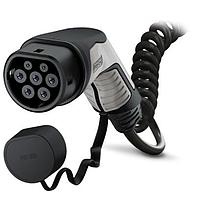
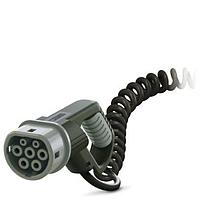
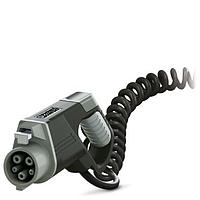
EV charging cables are used to transfer power between charging equipment and the vehicle, while also supporting the practical demands of repeated connection cycles. In many installations, the cable must perform reliably under bending, outdoor exposure, temperature variation, and frequent user handling. That makes cable construction and interface selection important from both an electrical and mechanical perspective.
In a typical charging setup, cables work alongside EV connectors, interface hardware, and system-level power components. Evaluating these elements together helps reduce compatibility issues during design, installation, and maintenance. For this reason, many buyers review cable and connector requirements at the same stage of project planning.
Key considerations when selecting charging cables
The first step is to define the intended charging application. Required current, voltage level, installation type, cable length, and routing conditions all influence the most suitable cable option. A cable used in a fixed charging environment may be selected differently from one intended for frequent public use, where flexibility and handling comfort can be just as important as electrical performance.
Another major factor is the operating environment. Outdoor charging points may require attention to abrasion resistance, weather exposure, and repeated flexing. In industrial or fleet settings, designers often also look at strain relief, termination quality, and the way the cable integrates with enclosure and connector layouts. These details help support safe power transfer and more predictable field performance over time.
Mechanical and electrical performance in daily use
In practice, cable performance is shaped by more than nominal electrical ratings. Repeated coiling, dragging, twisting, and connection cycles can introduce wear long before the end of a charger’s expected service life. For that reason, many EV charging applications benefit from cable designs that support flexibility while maintaining stable conductor integrity and insulation performance.
Electrical continuity is only one part of the picture. Users also need manageable cable weight, reliable fit with mating interfaces, and consistent performance across repeated charging sessions. In commercial deployments, these factors can affect user experience and maintenance planning as much as core power specifications do. A well-matched cable can help reduce downtime, simplify replacement planning, and improve overall charging system usability.
Compatibility with connectors and charging assemblies
Cable selection should always be considered together with the mating interface. The relationship between cable construction, termination method, and connector design affects both assembly quality and field reliability. Teams sourcing components for new charger builds or retrofit programs often evaluate cable and connector choices together to ensure proper fit, mechanical support, and integration with the intended charging standard.
Manufacturers active in this space, such as PHOENIX CONTACT, HARTING, and Amphenol Industrial, are commonly associated with industrial interconnect and e-mobility applications. Depending on the design approach, buyers may also review broader component ecosystems from suppliers focused on charging interfaces, cable assemblies, and rugged connection technology. If you are comparing adjacent component options, it can also be useful to review our charging cable range alongside related interconnect categories during specification.
Typical application contexts
EV charging cables are used across a wide range of charging scenarios, from public infrastructure and workplace charging to fleet depots and specialized mobility systems. Each environment places different demands on cable handling, routing, and wear resistance. Public-facing applications often emphasize repeated user interaction, while fleet and industrial installations may place greater weight on robustness, maintainability, and integration into larger power systems.
In engineering and procurement workflows, charging cables may be specified as part of a complete interconnect solution rather than as a standalone item. This is especially relevant when consistency across charger hardware, mating interfaces, and service procedures matters. Looking at the full application context helps narrow down options more effectively than comparing only basic cable dimensions or electrical values.
How procurement teams evaluate supplier options
For B2B sourcing, the right product choice often depends on more than the cable itself. Buyers typically consider manufacturer support, portfolio breadth, availability across related product families, and suitability for industrial deployment. This is one reason well-known suppliers such as AMP Connectors - TE Connectivity, Aptiv, ITT Cannon, Weidmuller, and Yazaki are often part of the evaluation process in e-mobility component sourcing.
When multiple project stakeholders are involved, it is useful to align engineering criteria with purchasing requirements early. That may include connector compatibility, expected service conditions, assembly preferences, and long-term maintenance considerations. A structured selection process can help avoid mismatches between specification, installation practice, and real-world operating conditions.
Choosing the right category path for your project
If your requirement starts with the cable side of the charging interface, this category is the right place to review options for EV charging cable components and related sourcing needs. If your project is driven by the mating interface or charging inlet side, exploring connector-focused products may provide a clearer starting point. In many cases, cable and connector decisions should be made together rather than in isolation.
As EV infrastructure continues to expand, the importance of durable, application-appropriate cable solutions also grows. A good selection process focuses on electrical fit, mechanical reliability, and compatibility within the broader charging architecture. By evaluating those factors carefully, teams can source EV charging cables that better support installation quality, operational reliability, and long-term system performance.
Get exclusive volume discounts, bulk pricing updates, and new product alerts delivered directly to your inbox.
By subscribing, you agree to our Terms of Service and Privacy Policy.
Direct access to our certified experts