
Safety Locker
Protecting cash, documents, storage media, and controlled-access assets is a practical requirement in many offices, branches, retail counters, and administrative facilities. When physical security matters, choosing the right Safety Locker helps reduce everyday risk while supporting more organized storage, clearer access control, and better handling of sensitive items.
On this category page, buyers can explore safety lockers suited to different operational needs, from basic secure storage to more controlled environments where restricted access and durable construction are important. The right selection often depends on what needs to be protected, how often the locker is accessed, and where it will be installed.
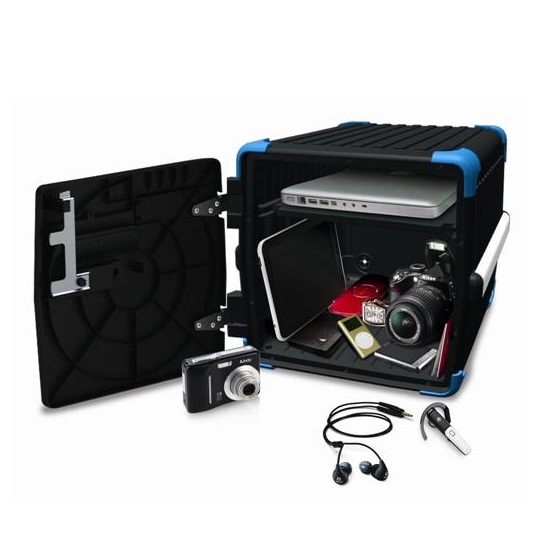
Why safety lockers matter in office and business settings
In day-to-day operations, not every valuable item belongs in open shelving, standard cabinets, or general filing systems. A safety locker provides a more secure location for items such as confidential paperwork, petty cash, backup drives, access credentials, and other materials that should only be handled by authorized personnel.
For many organizations, the goal is not only theft prevention. A locker can also support asset control, reduce accidental loss, and create a clearer process for storing and retrieving important items. This becomes especially useful in shared workspaces, reception areas, finance departments, and back-office environments where multiple users may interact with stored materials.
Common use cases for safety lockers
The scope of use can vary significantly depending on the business. In administrative offices, a safety locker may be used for contracts, stamps, company seals, and sensitive records. In retail or hospitality settings, it may support secure handling of cash, keys, shift documents, or internal devices that should not remain exposed during operating hours.
Some companies also use secure storage as part of wider information handling workflows. For example, organizations managing backup media or retired storage devices may combine physical storage security with processes related to data sanitization equipment to reduce both physical and information-security risk. In these cases, the locker is one part of a broader controlled chain of custody.
What to consider when selecting a safety locker
A good selection process starts with the contents. Small, high-value items may require compact but highly controlled storage, while larger binders, document boxes, or device containers need more usable internal space. It is also important to think about the expected frequency of access, because a locker used many times per day may require a different layout and locking approach than one opened only occasionally.
Installation conditions also matter. Buyers should review available floor space, placement constraints, and how the locker will fit into surrounding workflows. A front-office unit may prioritize convenient daily access and a tidy footprint, while a back-room installation may focus more on secure storage and internal handling procedures than on appearance.
Key evaluation points beyond basic storage capacity
Capacity is only one part of the decision. In practice, many buyers compare lockers based on construction quality, lock type, door design, ease of use, and suitability for the intended environment. If the locker will be used by a single responsible person, the requirements may be straightforward. If it will be shared across teams or shifts, access management becomes a more important factor.
It is also useful to consider the type of items being stored over time. Some businesses begin with document protection, then later expand to include portable drives, small devices, or controlled office materials. Planning for these operational changes can help avoid under-specifying the unit too early. Where paper handling is part of the workflow, related equipment such as a banding machine may support document organization outside the locker itself.
Safety lockers as part of a controlled office workflow
Physical security works best when it is integrated into daily routines rather than treated as a standalone purchase. A safety locker can support check-in/check-out procedures, limited user access, and more disciplined storage habits for items that should not be left unsecured on desks or counters. This is particularly relevant in departments handling finance, compliance records, customer information, or restricted internal materials.
In some operations, the locker complements other office equipment used for document handling and records management. For example, teams processing bundled notes or archived paper sets may also work with a currency binding machine or other support tools depending on the workflow. The locker then acts as the secure endpoint for materials that must remain protected before or after processing.
How to match the locker to your environment
For smaller offices, the main priority is often straightforward protection for a limited number of high-value or confidential items. In larger organizations, selection may depend more on departmental use, access hierarchy, and how often stored assets move between users. A locker intended for occasional manager-only access will usually be chosen differently from one used across daily operational cycles.
It is also worth considering whether the storage need is purely security-related or part of a larger office infrastructure plan. In environments that regularly handle printed records, media, or packaged office materials, buyers may review adjacent categories such as office supplies to support a more complete setup. The most effective choice usually comes from aligning storage security with actual usage conditions rather than selecting by size alone.
Choosing with long-term practicality in mind
A safety locker should support both protection and day-to-day usability. If access is too inconvenient, teams may avoid using it consistently; if the storage format is too limited, it may quickly become impractical as business needs change. Looking at real usage patterns, user responsibilities, and storage routines often leads to a better decision than focusing only on appearance or basic dimensions.
This category is intended to help buyers compare options for restricted-access storage in office and business environments. By evaluating the type of contents, the operational setting, and the level of control required, it becomes easier to choose a safety locker that fits current needs while remaining useful as workflows evolve.
Get exclusive volume discounts, bulk pricing updates, and new product alerts delivered directly to your inbox.
By subscribing, you agree to our Terms of Service and Privacy Policy.
Direct access to our certified experts