Standard Electrical Enclosure
Protecting power components, control hardware, and portable electronics starts with choosing the right housing. In many electrical and industrial projects, the enclosure is not just a box around the device—it influences safety, accessibility, mounting options, serviceability, and long-term reliability in the field.
Standard Electrical Enclosure products are commonly selected for organizing and protecting electrical assemblies in a wide range of applications, from handheld battery-powered devices to cabinet-based power systems. This category is especially relevant when you need a practical enclosure format for batteries, wiring access, removable panels, or compact equipment packaging without moving into highly specialized custom housings.
Where standard electrical enclosures fit in real-world systems
A standard enclosure is often used where electrical parts need a defined mechanical structure and a degree of protection from handling, dust, accidental contact, or installation-related stress. Depending on the application, that can include battery compartments, portable instrument housings, accessory doors, or larger battery cabinets used in backup and power distribution systems.
Compared with broader enclosure boxes and cases, this category is more closely tied to electrical use cases where cable routing, internal mounting, battery access, and equipment service are important. For panel builders, maintenance teams, and product designers, that makes enclosure selection a practical engineering decision rather than a cosmetic one.
Common product types in this category
The category covers several enclosure-related formats rather than one single product style. At one end, there are compact battery-related parts such as holders and battery doors that support portable or handheld designs. At the other end, there are larger battery enclosures and cabinets intended for more substantial power assemblies.
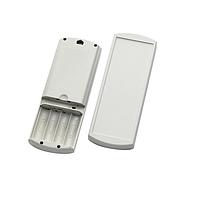
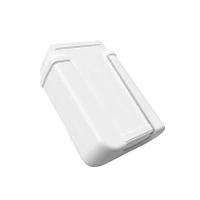
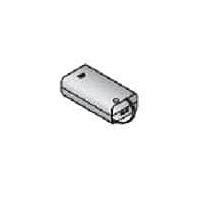
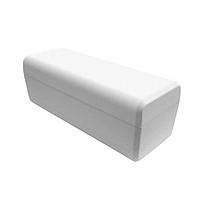
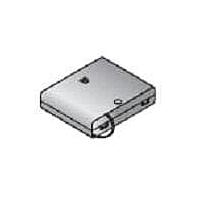
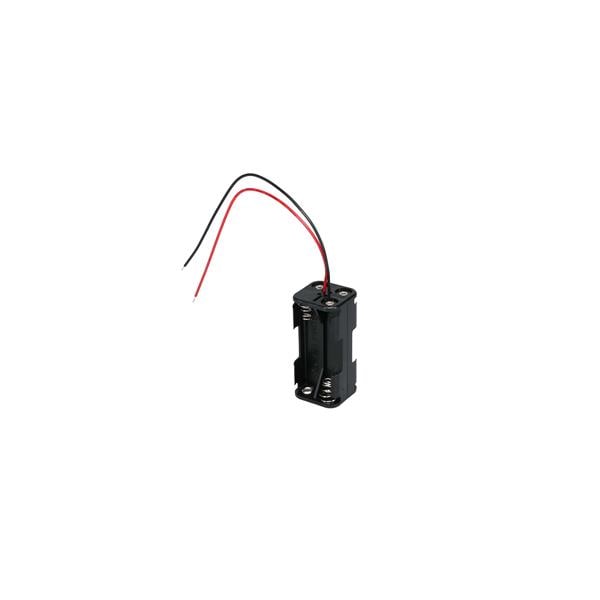
Examples from this range include the Bud Industries HH-3631 battery holder for 4 AAA cells, which supports compact battery integration in Grabber Series designs, and handheld plastic housings such as the Bud Industries HH-3421-BC and HH-3430-BCB, both of which include battery compartment-oriented design features. For larger installations, products like the Eaton FXEBM06, Eaton FXEBM01, and PHOENIX CONTACT 1134645 show how the category also extends to structured battery mounting and cabinet-based enclosure solutions.
What to consider when selecting an enclosure
The right enclosure depends first on the equipment form factor and the role of the battery or electrical assembly inside it. A handheld device may need a lightweight plastic housing with a battery compartment and access panel, while a fixed installation may require a robust cabinet arrangement with cable accommodation and dedicated battery mounting support.
Material is another key consideration. For example, some compact enclosures in this category use plastics such as ABS or polypropylene, which can be suitable for lightweight and portable applications. In addition, buyers should review access requirements such as removable end panels, battery doors, or internal clearance for cables and connectors, especially if the unit will be serviced regularly.
Mounting and environmental context also matter. If the assembly will be part of a control panel or industrial system, users may also want to compare options in industrial automation enclosures when the project demands a more installation-focused enclosure approach.
Battery access, serviceability, and system maintenance
One of the practical benefits of this category is its support for service-friendly electrical design. In portable devices, battery doors make replacement faster and reduce the need to open the entire housing. Hammond Manufacturing examples such as the 53TTBATDOORBK-5, 53TBATDOORBK-5, 53BATDOORRD-5, and 53BATDOORTBU-5 illustrate the role of dedicated battery access components within compatible enclosure families.
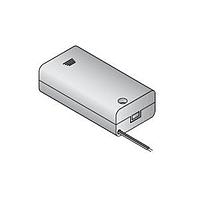
In larger power systems, serviceability takes a different form. Cabinet-style battery enclosures from Eaton can support organized battery placement and cable management, while related accessories such as the Eaton 103004194-5501 seismic kit point to the broader installation ecosystem around battery housing and support. For maintenance teams, this can simplify inspection, replacement, and physical stabilization within the overall system layout.
Enclosure selection by application
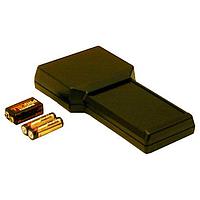
For portable electronics, test devices, or handheld interfaces, a compact enclosure with integrated battery space is often the most efficient choice. The Bud Industries handheld enclosures in this category are a good example of how battery access and user handling can be built into the enclosure itself, rather than treated as an afterthought.
For backup power, electrical support systems, or structured battery installations, larger cabinet-style products are more appropriate. Solutions from Eaton and PHOENIX CONTACT are relevant when the enclosure must accommodate more substantial battery hardware, support installation requirements, or align with a broader electrical infrastructure.
If your project includes boards or embedded electronics in addition to power elements, it may also be useful to review related enclosure formats such as single board computing enclosures for applications where PCB layout and interface access drive the housing choice.
Why enclosure details matter in B2B procurement
For engineering, purchasing, and maintenance teams, enclosure decisions affect more than fit. They also influence assembly time, replacement cycles, compatibility with existing parts, and how easily technicians can access the unit after deployment. A seemingly small feature—such as a battery door, removable panel, or cable-ready cabinet format—can reduce labor and simplify field service.
This is why buyers often evaluate more than just dimensions. They look at the installation context, battery format, access method, enclosure material, and whether the product is part of a known enclosure family. In multi-unit procurement, standardization around a suitable enclosure type can also improve consistency across builds and maintenance procedures.
Choosing the right standard electrical enclosure for your project
The most effective way to narrow the selection is to start with the use case: portable device, battery-backed equipment, or cabinet-based power assembly. From there, check whether you need integrated battery accommodation, accessory components such as battery doors, or a larger enclosure intended for mounting and cable management.
This category brings together practical options for both compact and larger-scale electrical packaging. Whether you are sourcing a handheld housing, replacing a battery access component, or specifying a battery enclosure for a structured installation, focusing on service access, physical compatibility, and application fit will help you choose a solution that supports reliable operation over time.
Get exclusive volume discounts, bulk pricing updates, and new product alerts delivered directly to your inbox.
By subscribing, you agree to our Terms of Service and Privacy Policy.
Direct access to our certified experts