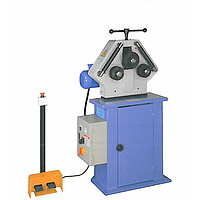
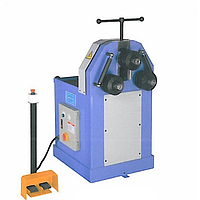
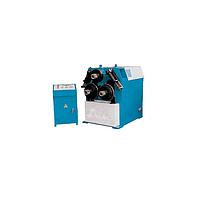
Cutting - Bending industry machine
Fabrication work often depends on how accurately metal can be cut, formed, and prepared for the next production step. In workshops that handle sheet metal, tube, and profile processing, the right machine setup helps improve repeatability, reduce manual rework, and support safer day-to-day operation. This category brings together equipment used for practical bending and forming tasks in industrial environments.
Cutting - Bending industry machine solutions are typically selected when manufacturers, maintenance teams, and metalworking shops need dependable equipment for shaping flat stock, pipes, or structural sections. Depending on the job, that may involve compact manual bending tools for lighter work, portable pipe bending equipment for field use, or higher-force horizontal presses for demanding forming applications.
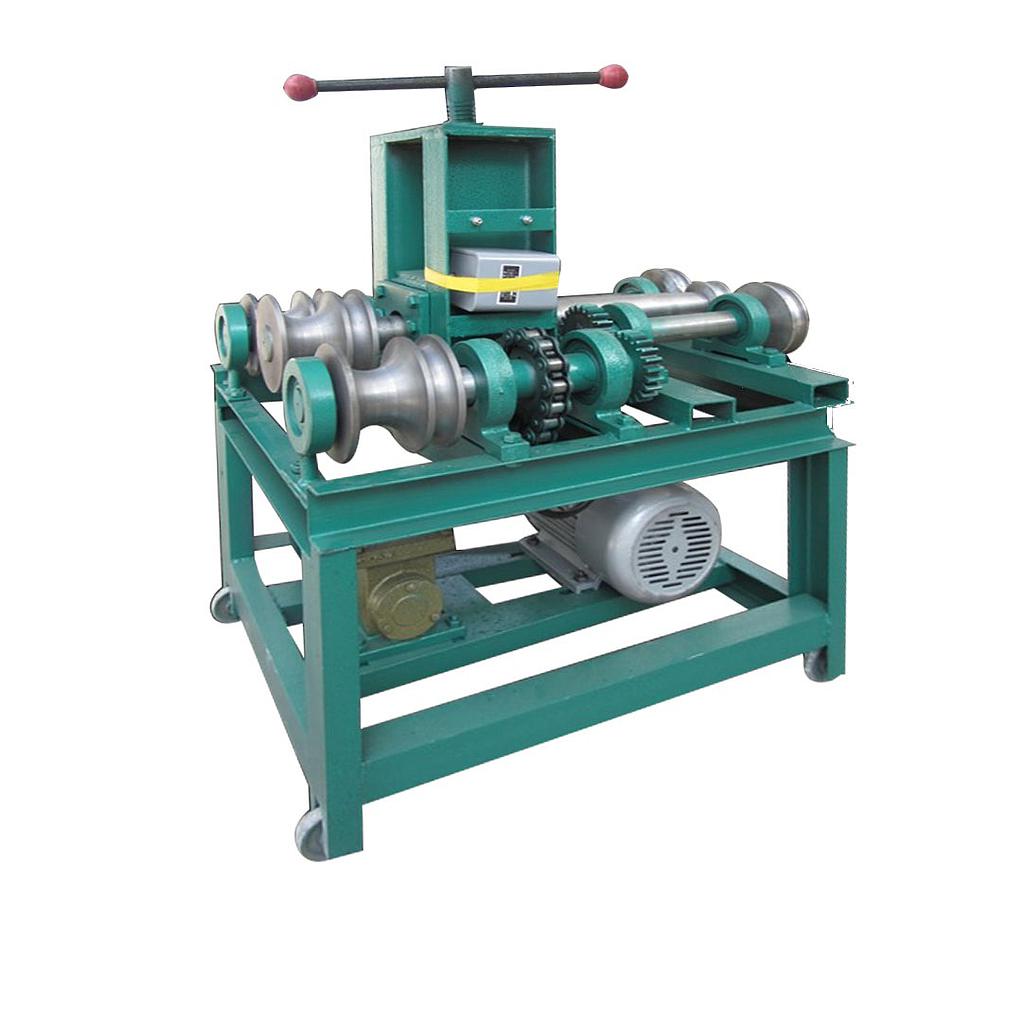
Where these machines are commonly used
Machines in this category support a wide range of fabrication processes, from simple workshop jobs to more specialized industrial forming tasks. Common applications include bending sheet metal for enclosures, brackets, ducts, and covers, as well as shaping pipes and profiles for frames, supports, and process lines.
They are also relevant in repair shops, maintenance departments, and production environments where operators need to process material in small batches or adapt parts quickly. In these settings, the focus is usually on forming accuracy, suitable working width or force, and how well the machine matches the material thickness and geometry involved.
Main equipment types in this category
This category includes several machine types that serve different fabrication needs. Sheet metal bending machines are suited to forming flat material across a defined working width, while horizontal presses are more appropriate when higher bending force is required for bars, profiles, and pipe-related work.
Portable pipe benders add flexibility when bending must be carried out near the installation site rather than only in a fixed workshop layout. For companies comparing broader production support equipment, related machinery such as compressed air treatment equipment or industrial chillers may also be relevant depending on the overall plant setup.
Representative machines from Mackma and IMMAC
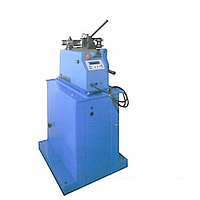
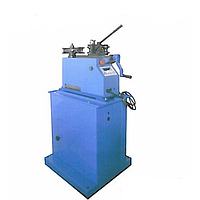
Among the products highlighted in this category, Mackma appears prominently with a range of equipment for bending and forming work. Models such as the Mackma RB305m, RB1000m, RB1050m, and RB1550m illustrate how sheet metal bending requirements can vary significantly by working width, supported thickness, and machine footprint.
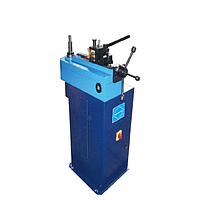
For example, a compact unit like the Mackma RB305m Sheet Metal Bending can suit lighter-duty bench or small workshop use, while larger models such as the Mackma RB1550m are aligned with wider sheet handling. For force-based operations, the Mackma PR20T ECO Horizontal Press, PR30T ECO, PR40T ECO, and higher-capacity variants provide options for shops that work with flat profiles or pipe sections and need a more robust forming platform.
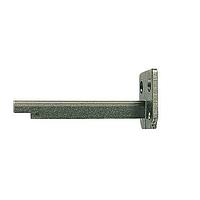
The category also includes the IMMAC BTT50-1-1-1 Portable Pipe Bender with Simply Control, which is useful to mention when mobility and on-site pipe work are part of the job. A supporting item like the Mackma WB-34 Worktable for BM34 shows that accessories and workstation components also matter in the wider machine ecosystem, especially when aiming for stable handling and better operator workflow.
How to choose the right bending or forming machine
A practical selection process usually starts with the material itself. Buyers should consider whether the application involves sheet metal, round pipe, flat bar, or other profiles, then match that with the required working width, thickness capacity, and bending force. Choosing a machine that is too small can limit production, while oversizing may increase cost and take up unnecessary floor space.
The next step is to evaluate how the machine will be used: occasional repair work, daily fabrication, or repeated production tasks. A compact sheet metal bender may be suitable for lighter jobs and smaller parts, whereas a horizontal press can be more appropriate for heavier forming operations. When installation flexibility matters, a portable pipe bender may offer a better fit than a fixed workshop machine.
It is also worth looking at workflow factors such as table height, machine dimensions, handling convenience, and whether supporting accessories are needed. In industrial environments where several process stages are connected, buyers often assess not only the standalone machine but also how it integrates with other fabrication and utility equipment.
Key considerations for performance and workflow
In metalworking, machine performance is not only about capacity figures. Day-to-day productivity is influenced by consistency, ease of setup, and how well the equipment supports repeatable bends across similar parts. This is especially important for workshops that need to reduce scrap and maintain stable output quality over time.
Another important factor is the relationship between working width, material thickness, and minimum bending diameter or profile capability. These values help indicate what kind of jobs a machine can realistically support. For horizontal presses, bending power and stroke are central to the decision, while for sheet metal bending machines, width and thickness handling are often the primary comparison points.
Buyers who are planning a broader machinery investment may also review adjacent processing areas. Depending on the production line, complementary categories such as paper processing machinery or heat shrinking machines may be part of a larger packaging or fabrication workflow, though their role is separate from bending and forming operations.
Brand context and purchasing perspective
This category includes products from recognized industrial brands such as IMMAC and Mackma, with additional manufacturer context available across the wider catalog. Brand choice often depends on the intended application, workshop scale, operator preference, and whether the buyer is prioritizing compact equipment, portability, or higher-force forming capability.
For B2B buyers, the most useful approach is to compare machines by application fit rather than by name alone. A narrow-width sheet metal bender, a 20 T or 40 T horizontal press, and a portable pipe bender each solve different problems. Reviewing representative products in context helps narrow the shortlist more effectively than focusing only on headline specifications.
Finding a machine that fits your production needs
Whether the priority is sheet metal shaping, profile bending, or portable pipe work, the right solution depends on matching machine type to actual production demands. Looking at material format, required force, workspace limits, and expected usage frequency will usually lead to a better investment decision than choosing solely by size or price range.
This category is designed to help industrial buyers compare relevant equipment for forming and bending applications in a clearer way. If you are building out a fabrication setup or upgrading an existing workshop, reviewing suitable models from this range can help you identify a machine that supports both current jobs and future capacity needs.
Get exclusive volume discounts, bulk pricing updates, and new product alerts delivered directly to your inbox.
By subscribing, you agree to our Terms of Service and Privacy Policy.
Direct access to our certified experts